




 Financial Times Article Rating
New EU members could be put 'on probation', says official
- Bias Rating
- Reliability
45% ReliableAverage
- Policy Leaning
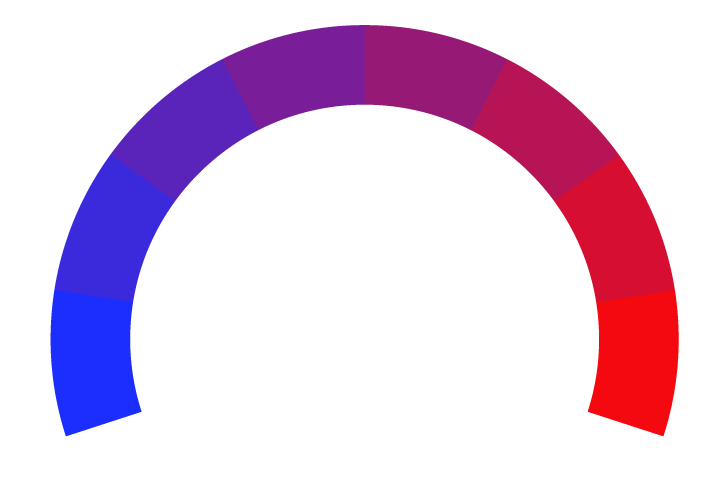
42% Medium Right
- Politician Portrayal
N/A
Continue For Free
Create your free account to see the in-depth bias analytics and more.
By creating an account, you agree to our Terms and Privacy Policy, and subscribe to email updates.
Bias Score Analysis
The A.I. bias rating includes policy and politician portrayal leanings based on the author’s tone found in the article using machine learning. Bias scores are on a scale of -100% to 100% with higher negative scores being more liberal and higher positive scores being more conservative, and 0% being neutral.
Sentiments
27% Positive
- Liberal
- Conservative
| Sentence | Sentiment | Bias |
|---|---|---|
Unlock this feature by upgrading to the Pro plan. | ||
Reliability Score Analysis
Policy Leaning Analysis
Politician Portrayal Analysis
Bias Meter
Extremely
Liberal
Very
Liberal
Moderately
Liberal
Somewhat Liberal
Center
Somewhat Conservative
Moderately
Conservative
Very
Conservative
Extremely
Conservative
-100%
Liberal
100%
Conservative
Contributing sentiments towards policy:
52% : Ukraine and Moldova started EU accession talks last year, but Hungary has since opposed the formal opening of so-called negotiation "clusters" in areas such as energy, competition and rule of law.49% : New EU member states could be put on "probation" for a few years and excluded from the bloc in case of democratic backsliding, under a proposal aimed at allaying concerns about new entrants emulating Hungary once they join.
49% : "We have been able to stop Russia at the front door," Kos said, referring to Ukraine's war effort, pro-EU electoral victories in Moldova and widespread support for EU membership in candidate countries.
47% : "I don't want to go down as the commissioner bringing in the Trojan horses who will be then active in five, 10 or 15 years," the EU's enlargement chief Marta Kos told the Financial Times.
47% : Brussels also wants to increase gradual integration of candidate countries into European programmes before they become full members, she said, such as via the bloc's democracy shield, an upcoming policy initiative aimed at addressing the most severe democratic risks to the EU.
45% : But while supportive of the EU expanding its regional clout, several capitals are opposed to Ukraine, Moldova and the western Balkans potentially flouting the bloc's rules on democracy, media freedom and judicial independence once they join the bloc -- and allying themselves with Russia.
45% : Despite that progress, Kos acknowledged EU capitals are privately far more cautious about admitting new members than their public statements of support would suggest. Much of that sentiment is driven by the bloc's experience with Hungary's Prime Minister Viktor Orbán -- who has repeatedly watered down Russia sanctions, opposed any military aid to Ukraine and has grown increasingly authoritarian back home, despite Brussels' attempts to pressure him by withholding EU funds.
44% : Kos rejected accusations that the proposed overhaul would result in a "two-tier" EU membership, and said future entrants were likely to commit to upholding the rule of law and avoid having any restrictions imposed on them.
*Our bias meter rating uses data science including sentiment analysis, machine learning and our proprietary algorithm for determining biases in news articles. Bias scores are on a scale of -100% to 100% with higher negative scores being more liberal and higher positive scores being more conservative, and 0% being neutral. The rating is an independent analysis and is not affiliated nor sponsored by the news source or any other organization.