




 NY Times
U.S. and Europe Eye Russian Assets to Aid Ukraine as Funding Dries Up
- Bias Rating
- Reliability
70% ReliableGood
- Policy Leaning
10% Center
- Politician Portrayal
-12% Negative
Continue For Free
Create your free account to see the in-depth bias analytics and more.
By creating an account, you agree to our Terms and Privacy Policy, and subscribe to email updates.
Bias Score Analysis
The A.I. bias rating includes policy and politician portrayal leanings based on the author’s tone found in the article using machine learning. Bias scores are on a scale of -100% to 100% with higher negative scores being more liberal and higher positive scores being more conservative, and 0% being neutral.
Sentiments
N/A
- Liberal
- Conservative
| Sentence | Sentiment | Bias |
|---|---|---|
Unlock this feature by upgrading to the Pro plan. | ||
Reliability Score Analysis
Policy Leaning Analysis
Politician Portrayal Analysis
Bias Meter
Extremely
Liberal
Very
Liberal
Moderately
Liberal
Somewhat Liberal
Center
Somewhat Conservative
Moderately
Conservative
Very
Conservative
Extremely
Conservative
-100%
Liberal
100%
Conservative
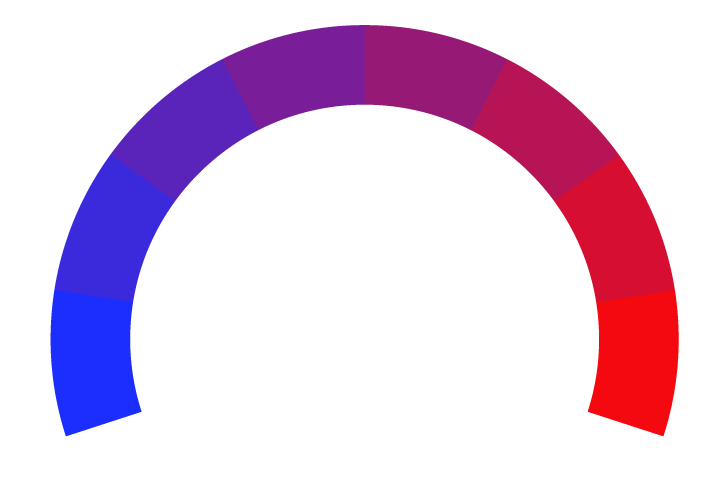
Contributing sentiments towards policy:
52% : “In my mind, humanity dictates that those factors outweigh the argument that seizing the assets would be unprecedented simply because Russia’s heinous and unfathomable behavior must be strongly punished,” he said.44% : Proponents of seizing Russia’s assets, such as Mr. Zelikow and former Treasury Secretary Lawrence Summers, have argued that nations that hold Russian assets are entitled to cancel their obligations to Russia and apply those assets to what Russia owes for its breach of international law under the so-called international law of state countermeasures.
35% : They note that after Iraq’s invasion of Kuwait in 1990, $50 billion of Iraqi funds were seized and transferred through the United Nations to compensate victims in Iraq and other countries.
*Our bias meter rating uses data science including sentiment analysis, machine learning and our proprietary algorithm for determining biases in news articles. Bias scores are on a scale of -100% to 100% with higher negative scores being more liberal and higher positive scores being more conservative, and 0% being neutral. The rating is an independent analysis and is not affiliated nor sponsored by the news source or any other organization.