

 Most Biased
 Satire
 Economy
 Opinion
 Elections
 Environment
 Entertainment
 Government
 Sports
 Politics
 Health
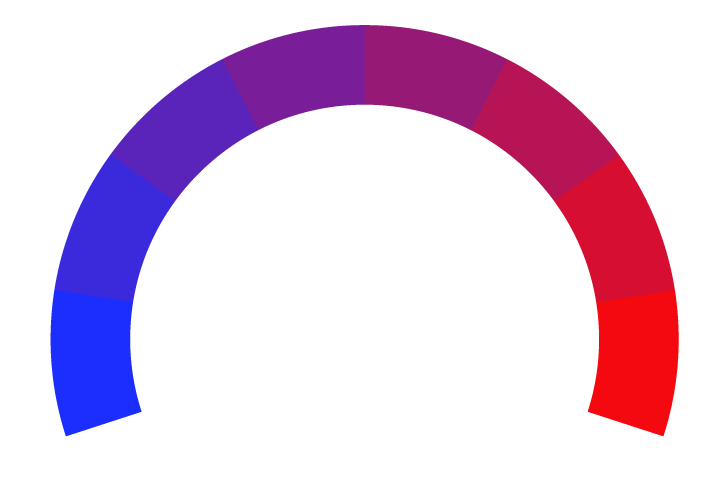
2% Center
Bias Meter
Extremely
Liberal
Very
Liberal
Somewhat Liberal
Center
Somewhat Conservative
Very
Conservative
Extremely
Conservative
-100%
Liberal
100%
Conservative
- Profile
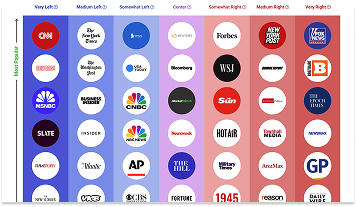
The Times of India on the media bias chart
- Bias Rating
2% Center
- Reliability45% Reliable AveragePolicy Leanings
2% Center
Extremely
LiberalVery
LiberalModerately
LiberalSomewhat Liberal
Center
Somewhat Conservative
Moderately
ConservativeVery
ConservativeExtremely
Conservative-100%
Liberal100%
Conservative
Average Reliability
*Our bias meter rating uses data science including sentiment analysis, machine learning and our proprietary algorithm for determining biases in news articles. Bias scores are on a scale of -100% to 100% with higher negative scores being more liberal and higher positive scores being more conservative and 0% being neutral. The rating is an independent analysis and is not affiliated nor sponsored by the news source or any other organization.
Politician Portrayal52% positive
Analysis of The Times of India Articles
Analysis of Bias in The Times of India Online Articles
Given that much of its readership is based in India—where domestic issues take precedence—it’s essential to ask: is The Times of India truly biased?
To evaluate this, we can analyze select The Times of India articles using several of Biasly’s bias-rating criteria: Tone, Tendency, Author, Diction, and Expediency Bias.
- Tone: The overall attitude conveyed by the article
- Diction: Specific word choices made by the writer
- Author: The background and social presence of the journalist
- Tendency: Patterns of bias in the writer’s broader body of work
- Expediency Bias: Quick visual or textual indicators like headlines and photos that imply bias
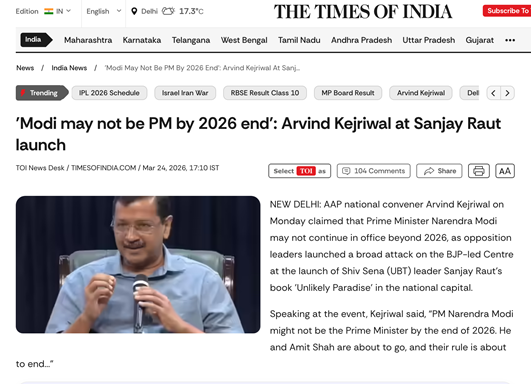
Source: The Times of India
This article focuses on opposition criticism of the government, with a headline highlighting Arvind Kejriwal, former Chief Minister of Delhi’s claim: “Modi may not be PM by 2026 end”. A photo of Kejriwal on a microphone delivering a statement is shown. The piece reports on a book launch event where opposition leaders attacked the BJP-led center. It quotes Kejriwal directly:
“PM Narendra Modi might not be the Prime Minister by the end of 2026… both Modi’s and [Amit] Shah’s reign will end.”
The article presents the claims factually, including context from the event, but gives space to opposition voices without an equivalent immediate counter from the ruling party. The diction throughout the article remains restrained, using words such as “claimed” and “asserting,” contributing to a neutral tone overall. That being said, selecting a high-profile anti-Modi statement as the article’s headline could reflect expediency bias in headline selection to drive user engagement and online traffic.
Another The Times of India article focuses on Prime Minister Modi addressing a rally in Assam, stating that the government is minimizing the impact of the war while simultaneously accusing Congress of “creating panic”. It includes direct quotes from Modi.”
“The BJP government is trying to ensure that the impact of the war-like situation remains minimal on the people of the country. However, the Congress is taking the help of falsehood and making the lives of common people difficult.”
Here, the tone is more straightforward in reporting the Prime Minister’s remarks, with factual context on infrastructure projects. Phrases such as “scathing dig” place a heavy emphasis on said remarks and thus avoid the pitfall of heavy editorializing.
On the other hand, another article titled “India Doing The Right Thing’: Congress Backs Modi Govt On Iran War, Tewari Says ‘Not Our War” is far more balanced. It demonstrates this balance by citing cross-party support on foreign policy while reporting internal opposition debates.
“Congress MP Manish Tewari has openly supported the government’s approach, stating that the ongoing conflict is “not our war.” He underlined that India has always been a marginal player in the region and must act with caution. The focus, he said, should remain on strategic autonomy—protecting national interests while avoiding entanglement in global conflicts… Adding to this, Shashi Tharoor has also endorsed the government’s stance, highlighting the importance of international law and sovereignty.”
The reporter in these political pieces generally maintains professional boundaries, choosing to let quotes tell the narrative. While coverage of ruling-party initiatives can appear favorable through positive framing of development projects, and opposition critiques receive space during election cycles, the overall tendency shows inconsistent but mild leans depending on the topic. Utilizing official statements and public events lends credibility, though the outlet is sometimes prone to using high-drama political exchanges to generate attention.
For instance, reporter BB Goswami avoids emotional or judgmental language, letting the facts speak for themselves. His social media presence on X, for instance, doesn’t show any of his political leanings, only sharing articles while his writing remains professional and neutral in tone.
— Bibhuti Bhushan Goswami (@BBGoswami) April 8, 2026
In summary, The Times of India shows generally consistent bias in its reporting, especially towards the ruling party. While many straight-news pieces maintain neutrality through balanced presentation and restrained language, certain headlines or emphasis on opposition claims can somewhat signal a more progressive slant in specific contexts.
Their tendency to amplify political rhetoric from multiple sides- while operating in a highly polarized Indian media landscape- indicates an overall Center orientation, with occasional deviations for audience engagement purposes or considering power structures. This pattern contributes to discussions around their media bias rating.
Analysis of The Times of India Opinion Articles
To fully understand political bias in media, it’s important to distinguish between factual reporting and opinion pieces. While reporting aims to present facts and let readers form their own conclusions, opinion articles express personal viewpoints on current issues. Although the previous section examined factual reporting, this section turns to how bias surfaces through The Times of India’s selection and tone of opinion content.
One prominent example is the Edit Page piece titled “Modi As Mediator?” The title and framing pose the question neutrally but lean into India’s potential global role with language that implies strategic opportunity and moral positioning for Prime Minister Modi, using phrases that highlight his special qualifications and “fit” for the role while also acknowledging it as “a tough call”, this reflects a persuasive tone that aligns with narratives emphasizing India’s rising international role and prominence under the current BJP administration.
Another opinion piece titled “Iran crisis: Lessons for India from a war nobody wanted” frames the US-Israel assault on Iran and its implications for India. It frames the conflict as producing unintended outcomes and posits that India’s position reflects both a crisis and an opportunity, calling for India to maintain strategic autonomy and diversify its security interests. The piece supports pragmatic foreign policy while also critiquing broader regional instability without any strong partisan leanings.
These examples show that opinion pieces from The Times of India are generally partisan. The platform frequently publishes content aligning with mainstream Indian political narratives on foreign policy and development. This consistent selection of opinion pieces can contribute to perceptions of systemic bias—particularly when the editorials reflect ruling-party strategic priorities alongside occasional criticisms of the opposition.
This tendency underscores the importance of distinguishing subjective viewpoints from straight reporting, especially when interpreting the political leanings of any news organization.
Analysis of Reliability in The Times of India’s Online News Articles
The Times of India aims to serve millions of readers across India with objective, fact-based reporting on national, international, business, and lifestyle topics. Its large staff includes writers from varying ideological backgrounds, which contributes to overall balanced news coverage. Nevertheless, readers should distinguish between factual news reporting and opinion pieces to evaluate credibility effectively.
As showcased previously, the article titled “end”. The TOI news desk sticks closely to event quotes and public statements with minimal added commentary. Despite The Times of India’s Center rating, some pieces illustrate factual neutrality while still showing some potential leaning in terms of bias in terms of headline coverage.
Quality of Sources and Facts Used
The Times of India often uses credible sources such as government statements, official data, public rallies, and named politicians, but can rely on unnamed sources or internal references in sensitive political or investigative stories. Some articles provide good sourcing on international or economic topics, yet others occasionally omit counter-perspectives or detailed verification.
Consider the headline: “Self-styled vishwaguru stands exposed: Congress targets PM Modi over Iran-US ceasefire.” While well-documented with direct quotes from Congress leaders, this article offers limited insight into immediate government response or counter-arguments in the main body of the text. Consequently, it creates a perception that the opposition’s claims are largely unchallenged from the initial framing.
On linked sources, the article uses 2 to 3 distinct hyperlinks in the body: all internal Times of India pages for background on the Iran conflict or Modi’s visit. By left/center/right: Left = 0, Center = 2, Right = 0. The linked source footprint is small and doesn’t function as a cross-ideological evidence base; it mainly provides navigation and background within the publication.
- Jairam Ramesh, Congress leader (Left-leaning in the Indian context)
- Other Congress figures quoted (Left)
- The Times of India (com), news outlet/publisher (Center)
- Public statements/diplomatic context references (Center/Institutional)
The sourcing is lopsided in terms of who is allowed to speak: it’s overwhelmingly opposition voices (the story focuses on Congress targeting Modi), with government perspectives mentioned only in passing or absent from direct quotes. In volume and prominence, the opposition dominates because the assignment is specifically to cover their criticism; by quoted-word share, there are almost no traditional quotes from the ruling side.
In how sources are used, the speakers are presented mostly neutrally—the reporter describes the statements and runs attributed remarks with light editing, with minimal fact-checking or evaluative framing inside the piece. Claims about Modi’s visit timing or “diminished stature” are not heavily challenged within the text, which can function as a form of neutrality (letting readers judge) but can also inadvertently advantage the speaker making the strongest assertion by giving it uncorrected space.
Grounded in what we can count here (speaker access and framing, not external-link diversity), the article’s operating bias reads closest to Center: the structure is event-driven rather than purely argumentative, but it’s not “balanced” left/right in speaker representation because the assignment is to profile opposition criticism.
On factual accuracy, the broad context is generally consistent with publicly known facts: Modi’s visit to Israel occurred shortly before the strikes, Congress made the stated claims, and diplomatic timelines are verifiable in public records. Where accuracy becomes harder is inside characterizations presented without full verification—e.g., assertions about “diminished global stature” or implications of tacit approval—some of which are opinionated and require careful qualifiers and sourcing to evaluate.
Selection and Omission Bias
The Times of India provides extensive coverage of national politics, economic reforms, and international relations, which is reasonable given its status as India’s premier English newspaper. However, bias may still emerge through framing and story selection.
In “Congress calls for JPC probe of Adani after US indictment for bribery and fraud”, selection bias is evident in the article’s emphasis on opposition allegations. The piece prominently features Congress leaders demanding a Joint Parliamentary Committee probe and citing claims of crony capitalism and bribery linked to the US indictment, but it offers little exploration of the government’s defenses, ongoing legal proceedings, or any positive economic contributions associated with the Adani Group. No detailed rebuttals from the ruling party or independent regulatory bodies appear in the main title.
In opinion pieces, issues with factuality, sourcing, selection, and omission are common. The article covered reflects The Times of India’s Center views, but this is not detrimental to its reliability. Its story selection covers a broad spectrum of Indian issues, though it may favor high-visibility national politics. However, the contents of The Times of India’s article maintain accuracy and tend to cite evidence from numerous and varied sources.
The Times of India Bias Overview
The Times of India began as “The Bombay Times and Journal of Commerce” in 1838. Today, it functions as India’s most widely circulated English-language newspaper, part of the Times Group, offering national and international news, business, sports, entertainment, and more.
As a leading national media outlet in India, The Times of India plays a significant role in shaping public perception. Readers’ trust in the accuracy of local news may mirror the conclusions reached by Biasly’s media bias ratings. This article delves into The Times of India’s editorial tendencies to explore whether political bias is present and, if so, to what degree.
Is The Times of India Biased?
Based on Biasly’s evaluations, The Times of India is rated as Center.
By examining content patterns and the broader context of media influence, we aim to offer a balanced perspective on The Times of India’s political bias—and contribute to the ongoing discussion about bias in the news.
How Does Biasly Rate News Sources?
Biasly uses proprietary algorithms and a team of analysts to provide comprehensive bias evaluations across thousands of news outlets. Over 200,000 articles from more than 3,200 sources have been analyzed to identify the most accurate and unbiased stories.
Biasly assigns each outlet three key scores:
- Reliability Score – Reflects factual accuracy
- AI Bias Score – Generated via natural language processing
- Analyst Bias Score – Assessed by human political analysts
These scores are based on seven core metrics: Tone, Tendency, Diction, Author Check, Selection/Omission, Expediency Bias, and Accuracy. These elements help analysts and algorithms evaluate the political attitude conveyed by each article.
Biasly’s Bias Meter ranges from -100% (most left) to +100% (most right), with 0% indicating neutrality. The system evaluates individual articles based on political terms, policies, figures, and sentiment to calculate precise bias ratings.
Is The Times of India Politically Biased?
The Times of India earns a Center rating for its AI Bias Score and a Medium Left for its Analyst Bias Score. The Analyst Bias Score is generated by reviewers from liberal, moderate, and conservative backgrounds. Analysts reviewed multiple The Times of India articles and noted generally balanced coverage of many national issues, though preferences can appear in the framing of ruling-versus-opposition narratives.
India’s demographic makeup also presents unique considerations. Pew Research shows that Muslims, who make up the second largest religious demographic, value treating all religions with equal respect, with 80% of Hindus expressing the same sentiment. The BJP, being a Hindu nationalist party, and Congress, being secular, thus pose challenges in presenting news without exacerbating sectarian tension and isolating certain groups who feel ignored or diminished.
This could explain differing perceptions of The Times of India’s content. The paper may draw mixed reactions depending on readers’ political and religious orientations.
This Bias score is determined through natural language processing that evaluates the tone, word choice, and opinion embedded in the reporting. How to Evaluate Bias
Although Biasly rates The Times of India as Center, it’s important to remember that bias can vary from article to article. The Times of India also covers a highly ethnically and religiously diverse nation with objectivity on many issues, from legislation to social developments. This complexity underscores the importance of examining each article individually. So, let’s learn how to evaluate media bias.
Recognizing media bias requires awareness and critical thinking. Often, readers trust news sources that affirm their existing beliefs—a psychological tendency known as confirmation bias. This makes it harder to identify slanted narratives or one-sided reporting.
To address this, it’s essential to challenge your assumptions by consulting multiple perspectives and verifying information through third-party analysis. Tools like Biasly’s media bias ratings allow readers to compare the same news story across the political spectrum.
Ultimately, bias isn’t always a matter of what is said—it’s also about what is left out, how topics are framed, and which stories are chosen for coverage. Learning to recognize these patterns can help readers make more informed decisions and develop greater media literacy.
To start comparing news outlets and gain a better understanding of bias, sign up for Biasly’s Media Bias & News Analytics Platform to see how stories vary between sources.
How to Evaluate Bias
Although Biasly rates The Times of India as Center, it’s important to remember that bias can vary from article to article. The Times of India also covers a highly ethnically and religiously diverse nation with objectivity on many issues, from legislation to social developments. This complexity underscores the importance of examining each article individually. So, let’s learn how to evaluate media bias.
Recognizing media bias requires awareness and critical thinking. Often, readers trust news sources that affirm their existing beliefs—a psychological tendency known as confirmation bias. This makes it harder to identify slanted narratives or one-sided reporting.
To address this, it’s essential to challenge your assumptions by consulting multiple perspectives and verifying information through third-party analysis. Tools like Biasly’s media bias ratings allow readers to compare the same news story across the political spectrum.
Ultimately, bias isn’t always a matter of what is said—it’s also about what is left out, how topics are framed, and which stories are chosen for coverage. Learning to recognize these patterns can help readers make more informed decisions and develop greater media literacy.
To start comparing news outlets and gain a better understanding of bias, sign up for Biasly’s Media Bias & News Analytics Platform to see how stories vary between sources.
The Times of India Reliability Overview
Is The Times of India Reliable?
The Times of India finds itself toward the middle of the spectrum, with neither high nor low accuracy. Its status as a national Indian newspaper and as the most prominent English-language publication contributes to its moderate reputation for reliability. According to Pew Research, Indians generally have concerns regarding made-up news and information. In fact, 65% of adults regard it as a major concern.
This suggests that The Times of India’s popularity among Indian citizens may not stem solely from uniform reliability in political news coverage. Further investigation is needed to determine whether bias or other factors are affecting its accuracy. At Biasly, we specialize in evaluating not just bias but also the reliability of media outlets. Let’s explore the accuracy and trustworthiness of The Times of India.
How to Evaluate Reliability?
Reliability refers to how trustworthy or accurate a news source is. If we can’t trust what we read, then continuing to consume content from that outlet serves little purpose. So how do we evaluate a news outlet’s reliability?
There are several key indicators of reliability to consider when assessing a media source. Red flags of an unreliable article can include wild, unsubstantiated claims, facts that depend on other unreliable sources, heavy use of opinionated language, and more. In contrast, hallmarks of a reliable source include:
- Absence of subjective language
- Citing credible sources (e.g., .gov, .edu, academic references)
- Verifiable facts and statistics from multiple outlets
- Use of primary sources, like interviews or transcripts
- Consistency with coverage across other platforms
Biasly’s reliability scores incorporate these elements in evaluating media outlets.
So How Does The Times of India Fare in Its Reliability?
The political reliability index developed by Biasly assesses both accuracy and trustworthiness. The Times of India currently holds Average Reliability Score, which is calculated as a weighted average of:
- Fact Analysis Score – Evaluates the accuracy of claims, facts, and evidence.
- Source Analysis Score – Assesses the number, diversity, and credibility of sources and quotes used.
The Times of India’s Source Analysis Score is Average at 37% Reliable. This suggests moderate trustworthiness in its sourcing practices. The score is AI-generated and considers quote length, frequency, diversity, and quality.
The Fact Analysis Score of The Times of India is Average at 47% Reliable. This further shows how well The Times of India supports its claims, addresses selection and omission bias, and presents verifiable evidence.
While The Times of India leans toward factual reporting, occasional lapses—such as unbalanced viewpoints or incomplete data—can affect its reliability rating. These nuances emphasize the importance of analyzing individual articles.
The Times of India’s Accuracy and Reliability
According to Biasly’s analysis, The Times of India maintains Average Reliability Score, but individual articles may vary significantly. Let’s dive into the details.
Political orientation plays a crucial role in how audiences perceive reliability. The Times of India has been accused of favoring a liberal narrative, potentially at the expense of factual reporting. To validate such claims, it’s essential to analyze whether the publication backs its assertions with sufficient evidence and diverse viewpoints.
Two common types of bias that affect factuality include:
- Selection Bias – Highlighting or omitting stories to fit a particular narrative.
- Omission Bias – Leaving out differing perspectives or relevant details to skew perception.
Biasly’s accuracy ratings use a scale from 1% (least accurate) to 100% (most accurate). Factors include supporting evidence, reliable internal and external sources, and balanced viewpoints.
For instance, Biasly gave The Federalist Papers a somewhat right bias and an Average Analyst Reliability Score. One Federalist Papers article, titled “After Withdrawing From the Race Vivek Ramaswamy Makes an Endorsement”, showed an Average reliability rating.
So, is The Times of India Reliable?
Overall, The Times of India can be considered to be an outlet that is moderately reliable. It demonstrates a consistent goal of journalistic integrity and typically supports claims with sources and quotes. Occasional omissions and framing bias do appear, particularly on culturally sensitive or partisan issues.
As media literacy improves, readers can more easily detect issues with selection bias, omission bias, and factuality. To strengthen your ability to assess reliability across the political spectrum, use Biasly’s News Bias Checker to compare how multiple outlets report the same story.
This empowers you to consume more accurate, balanced, and dependable news.
The Times of India Editorial Patterns
The Times of India’s coverage of political topics often reflects a Center bias, with consistent patterns in phrasing, source selection, and thematic focus that are Neutral. While the publication demonstrates journalistic standards in many of its reports, the choice of issues, framing, and word usage can indicate a political slant. This content analysis examines how The Times of India handles liberal and conservative issues and evaluates its language choices and editorial tendencies.
Coverage of Liberal vs. Conservative Topics
The Times of India’s articles include coverage of progressive social causes, economic reforms, and critiques of governance, which tend to adopt measured language.
On the other hand, articles covering opposition initiatives or controversies often employ a factual yet more critical tone. Biasly’s analysis of recent The Times of India articles reveals a tendency to highlight controversies or opposition surrounding BJP policies while highlighting Congress narratives.
This news media bias manifests in subtle ways, such as placing greater prominence on language that is sympathetic towards Congress figures, but still is factual without showing bias.
Policy and Issue Framing
When covering economic policy or national security, The Times of India often references growth data, official statements, and expert views. This aligns with the Center’s media bias, especially in India, where political culture isn’t uniform. Similarly, coverage of social issues reflects a mix of different voices from different stakeholders.
In contrast, issues that are highly polarized may be framed in terms of their national impact. Even in neutral coverage, phrasing choices shape and influence perception. This consistent approach reflects an editorial direction that aims for broad appeal while still capturing India’s complex political realities.
Coverage and Relevance
The Times of India’s reporting often touches on key issues central to the media political bias discussion — including newspaper bias, bias in journalism, and biased media narratives. As such, it serves as a compelling case study for examining source bias and news media bias in state-focused reporting.
Readers who wish to further explore how The Times of India compares with other publications can visit Biasly’s Media Bias Chart to analyze tone and word choice in real time.
Funding and Ownership
Who Owns The Times of India?
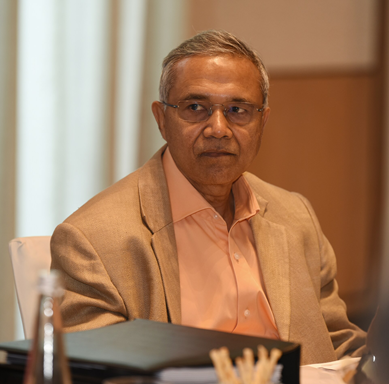
Samir Jain, Vice-Chairman and Managing Director of The Times Group- Source: Wikipedia
The Times of India is owned and operated by Bennet, Coleman & Co. LTD., part of the Times Group. The company is controlled by the Sahu Jain family, with key figures including brothers Samir Jain and Vineet Jain overseeing operations. This family-led structure has maintained long-term control over one of India’s largest media conglomerates.
Who Funds The Times of India?
The Times of India generates revenue primarily through advertising (including government and corporate), subscriptions, digital platforms, and events. As a for-profit entity privately owned by a family, it benefits from the group’s diversified portfolio (including The Economic Times, television channels, and more). While emphasizing editorial independence, readers should monitor potential influences common to large media houses in India, where government advertising plays a notable role.
Additional Insights
News Source Comparison
When comparing news sources, The Times of India is often evaluated alongside other major national Indian English-language outlets. Sources like The Hindu, The Indian Express, or Hindustan Times often present left-leaning tones and editorial philosophies. While The Times of India maintains a Center media bias, it differs from strongly partisan sources in that it occasionally includes opposing viewpoints and strives for a balanced regional coverage.
This contrasts with more biased media outlets that consistently present one-sided narratives without factual counterpoints. Readers seeking balanced political coverage may compare The Times of India’s framing of issues with outlets rated as Lean Left or Lean Right on our Media Bias Chart, or explore other regional papers on our Similar Sources page.
Notable Contributors and Authors
The Times of India features a diverse range of reporters and columnists, many of whom are deeply familiar with India’s political and social climate. Reporters like Chetan Bhagat, who frequently cover political controversies and election matters, exemplify the outlet’s strength in local investigative journalism.
Other contributors focus on religion, environment, or civil rights—topics central to Indian communities. While some contributors may be seen as leaning left in tone or topic selection, their work is generally grounded in factual reporting. The presence of recurring bylines helps readers evaluate individual journalists’ bias over time.
Related Tools and Resource Pages
To better understand how The Times of India fits into the broader media landscape, we recommend exploring these helpful resources:
- Media Bias Chart: See where The Times of India ranks among hundreds of media outlets across the political spectrum.
- Political Bias Chart: Visualize political slants of news sources across various policy areas.
- Journalist Bias Analytics Platform: Explore how individual journalists contribute to bias within their publications.
- Politician Bias Analytics Platform: Compare how politicians are framed differently by The Times of India and other outlets.
- Media Literacy Education Platform: Learn how to critically assess media sources, bias techniques, and news reliability.
Frequently Asked Questions
The Times of India is rated as Center based on Biasly’s media bias algorithm, which assesses sentiment, article framing, and policy favorability.
While The Times of India is not widely known for promoting fake news, they have faced criticism for “paid news” practices in the past, where sponsored content was not always clearly distinguished from editorial content. The publication has faced criticism for ‘paid news’ practices in the past, where sponsored content was not always clearly distinguished from editorial content. After receiving backlash for this, they retracted the article. While this doesn’t necessarily indicate fake news or misinformation, it does risk presenting one-sided accounts of events through selection and omission bias.
Biasly uses a combination of AI sentiment analysis and human analyst review to assess tone, fact accuracy, source quality, and media bias indicators. Learn more on our Bias Meter page.
Generally, yes, in national and international news, though partisan framing and selective reporting can affect perceived reliability on highly polarized topics
Military Spending
| Date | Sentiment | Associated Article | Snippet |
|---|---|---|---|
| 08/25/2019 | 75% For | Trump Family Detentions Flores Agreement (link) | So, of course, the Trump administration is doing the opposite in a baldfaced |