

12% Somewhat Right
Bias Meter
Extremely
Liberal
Very
Liberal
Somewhat Liberal
Center
Somewhat Conservative
Very
Conservative
Extremely
Conservative
-100%
Liberal
100%
Conservative

- Profile
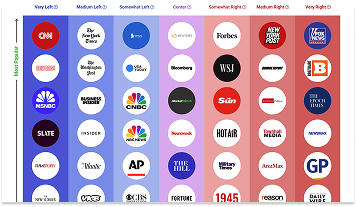
Military Times on the media bias chart
- Bias Rating
12% Somewhat Right
- Reliability55% Reliable AveragePolicy Leanings
8% Center
Extremely
LiberalVery
LiberalModerately
LiberalSomewhat Liberal
Center
Somewhat Conservative
Moderately
ConservativeVery
ConservativeExtremely
Conservative-100%
Liberal100%
Conservative
Average Reliability
*Our bias meter rating uses data science including sentiment analysis, machine learning and our proprietary algorithm for determining biases in news articles. Bias scores are on a scale of -100% to 100% with higher negative scores being more liberal and higher positive scores being more conservative and 0% being neutral. The rating is an independent analysis and is not affiliated nor sponsored by the news source or any other organization.
Politician Portrayal14% positive
Analysis of Bias in Military Times Online Articles
Military Times has found that in-depth coverage of the military is one of the most effective ways to drive subscriptions. Given that much of its readership is composed of veterans, it’s essential to ask: is Military Times truly biased?
To evaluate this, we can analyze select Military Times articles through several of Biasly’s bias rating criteria: Tone, Tendency, Author, Diction, and Expediency Bias.
- Tone: The overall attitude conveyed by the article
- Diction: Specific word choices made by the writer
- Author: The background and social presence of the journalist
- Tendency: Patterns of bias in the writer’s broader body of work
- Expediency Bias: Quick visual or textual indicators like headlines and photos that imply bias
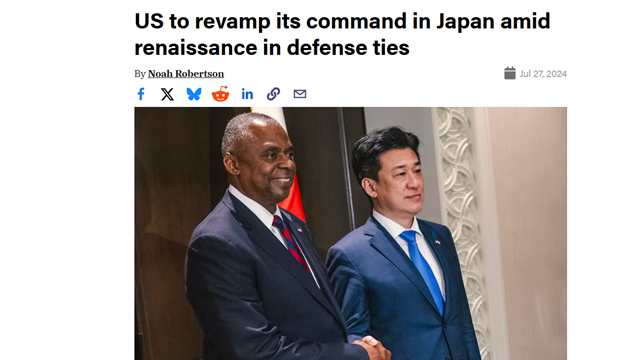
The first article we’ll examine is titled ”US to Revamp its Command in Japan Amid Renaissance in Defense Ties” by Noah Robertson. Biasly has rated this article “Medium Conservative”, because the author’s tone is, by our analysis, relatively neutral and dispassionate, focusing on the rationale for and potential consequences of a planned recalibration of the structure of the US-Japan security relationship, the tone and diction, in combination with the sources the author chooses, portray traditionally conservative orientations when it comes to his support for US military commitments and defense spending.
Right at the beginning, the author shows his support for Japan’s strengthening military presence, connecting the country’s “presence on the world stage” with its defense expenditure:
“In 2013, after years of political turmoil and crisis, Japan’s then-Prime Minister Shinzo Abe announced his country’s return to the world stage…. In the ensuing decade, the country has been following through on that pledge. They’re on track to double defense spending by 2027, buying missiles capable of firing into enemy territory and giving more freedom to its long-restrained Self Defense Forces.”
Although the article’s diction is not necessarily extreme, it reflects the author’s preference for stronger security commitments. For example, the author describes the operational relationship between the U.S. and Japan as the relationship between a “shield” and a “spear”, and refers to the “long struggles” of the Japanese military when it comes to operating effectively with US forces. He describes the steps that the Japanese have taken to increase their defense spending as achieving “milestones” that presumably help ameliorate “years of political turmoil and crisis” in an “otherwise turbulent season.” He also demonstrates expediency bias in the headline of the article, with the word “renaissance” implying that the U.S.-Japan security relationship was stagnant and in need of revitalization.
In terms of the author himself, Mr. Robertson’s Twitter profile reflects his experience as the Pentagon reporter at Defense News, with a focus on defense contracts and procurement, US foreign policy, troop movements, and defense industry news.
For the last two years, following the war in Ukraine, the U.S. has been trying to speed up its system for selling other countries weapons.
Even though demand is through the roof — over $80 billion already this fiscal year — it’s not clear how much those efforts have worked.
— Noah Robertson (@noahjrobertson) August 12, 2024
In the article, Robertson consistently demonstrates his learning in his selection of quotes and sources. Almost every source supports this defense revamp. No source used questioned the decision or the need for defense commitments of this scale in the first place. While the sources the author uses are, by and large, primary (that is, officials directly involved in the proceedings), every source either supports the security commitment or calls for even more decisive action.
Again, although the article’s structure and reporting of the events are neutral, Robertson’s choices in selecting his sources and arranging his material make it clear that he has a right-leaning bias.
To sum it up, the author strives for objectivity for the most part and sticks to the facts of the proceedings, but his bias emerges in some of his word choices and in the sources that he chooses to use in his article. All of this suggests that, while some elements of this article were neutral, the article was found to be right-leaning overall, which aligns with our analysis of the Military Times as an outlet with a tendency to lean right in its biases.
Here’s one more article that demonstrates little to no bias throughout and also comes from the Military Times: “Civil War Soldiers Awarded Medal of Honor for Confederate Train Raid”. Biasly gave this article a rating of “Center” as the article is about the recognition of a historically significant event and recognizing those who participated in it; there is no political content or spin in the article; it simply reports on the fact that these posthumous medals are being awarded and provides some context as to why.
“More than anything else, it is the story of American soldiers far from home committing extraordinary acts of service and bravery on behalf of their country,” said Dr. Shane Makowicki, a historian from the Army Center of Military History.”
What’s more, nothing about the author’s social media presence indicates tangible bias.
In summary, Military Times shows inconsistent bias in its reporting.
Analysis of Military Times Opinion Articles
To fully understand political bias in media, it’s important to distinguish between factual reporting and opinion pieces. While reporting aims to present facts and let readers form their own conclusions, opinion articles express personal viewpoints on current issues. Although the previous section examined factual reporting, this section turns to how bias surfaces through Military Times’s selection and tone of opinion content.
Consider the opinion article “Time is Running Out to Recognize, Compensate Aging Atomic Veterans.” The title is loaded with bias because it contains language suggestive of a negative opinion or judgment about the Veterans Affairs’ intentions or actions. Specifically, the word “recognize” implies that the VA is refusing to even acknowledge “atomic veterans”, and it is used demeaningly to influence the reader’s opinion before they read the article.
The preemptive criticism of the ‘Veterans Affairs’ and the bias present in the title suggest that the author does not intend to provide a fair and objective reporting of the facts.This contributes to the article’s right-leaning bias.
However, the article “Remembering Saipan: The Battle that Reshaped the Pacific” has a more objective title, focusing on informing the reader rather than pushing an agenda. Reliable articles are marked by neutral language and facts from credible sources. Based on the title alone, it could be safely assumed that this article would be less biased than the previous one.
These articles, in addition to those above, are only a small representation of all of the Military Times’s content. They suggest that the outlet includes a substantial amount of opinion content, which further underscores the importance of knowing how to distinguish subjective writing from genuine reporting.
In summary, Military Times shows inconsistent bias in its reporting.
Analysis of Reliability in Military Times’s Online News Articles
Military Times aims to serve veterans with objective, fact-based reporting. Its staff includes writers from varying political backgrounds, which can help balance coverage. However, readers should distinguish between news reporting and opinion pieces to evaluate credibility effectively.
The Military Times’s opinions have caused some issues in the past with their reliability in their tendency to promote conservative ideologies and individuals; the group has been involved in some controversies where they have been charged with having a deep bias against other countries. The article, “Unleash the Space Force,” was written as an opinion piece for Military Times, and it is clearly an opinion piece, as evidenced by its exclusion of opposing views and the preponderance of one-sided data. These pieces may have left readers feeling alarmed by the message. The piece consistently shows strong concern about China’s growing capabilities. The data used makes the piece read like a call to action.
“Army helicopter pilot wounded during Maduro raid receives Medal of Honor during State of the Union” from Military Times has average reliability, as it has both strengths and weaknesses in how it presents information.
One strength of the article is its effective use of quotes from officials and speeches, which provide direct evidence for the claims. For example, the article includes statements from Donald Trump during the State of the Union describing how Army pilot Eric Slover was wounded while flying a helicopter during the mission that captured Nicolás Maduro. According to the speech, Slover “absorbed four agonizing shots” while continuing to fly the helicopter during the raid. Using direct quotes like this allows readers to see the original wording from the source rather than relying only on the journalist’s interpretation.
However, the article falls short in other areas of reliability. Much of the information about the raid and Slover’s actions relies heavily on statements from the president’s speech, which is a political source. This means the article relies on a single perspective rather than incorporating additional independent sources, military analysts, or witnesses who could corroborate the details of the event. Because of this, the story provides limited verification beyond official statements.
The article also focuses mainly on describing the ceremony and heroism rather than offering a deeper context about the operation in Venezuela or possible differing viewpoints. For example, the raid that led to Maduro’s capture involved significant violence and injuries to U.S. troops, but the article provides little broader analysis or background about the mission.
Overall, the article shows some reliability because it uses direct quotes and factual details, but it is weaker in areas like source diversity and deeper context. As a result, it can inform readers about the event, but it should ideally be supplemented with other sources for a more complete understanding.
Quality of Sources and Facts Used
Military Times often uses credible sources from across the political spectrum. However, some articles do not present opposing viewpoints comprehensively.
For instance, think about “Fertility Clinics are in Need of Provincial Oversight.” In this article from Joyce Ghaly, she didn’t use any quotes, but she did provide examples of their claims. All of the examples supported her claim, allowing no support for the other side.
In addition to that, the author’s three sources for the article were as follows:
- The Norman Barwin case
- Author’s Unknown Client
- Qi Zhang, lost 65 eggs in a freezer malfunction
The number of sources used is a little lacking, but the diversity and credibility appear to be the biggest problems, as two of them are extreme incidents, one is the author’s client, and none support the other side. The lack of sources supporting her claims against these private fertility centers is also concerning. The article is accurate in its statement of facts, but provides no evidence to support its negative claims about these fertility clinics. They consistently lean towards disapproving of the fertility clinic’s regulations when writing the article, resulting in average source quality and a limited factual range.
Although there may not be tons of studies on ICSI, if all the studies that have been done reach the same conclusion, this consistency could be why there haven’t been more studies on it. This omitted information can lead the reader to believe that ICSI has been tested very little. The evidence, then, points to this article as not being as trustworthy as it could be for information on infertility clinics.
The inclusion of varied sources such as the Norman Barwin case, the author’s unknown client, and Qi Zhang highlights the importance of drawing from multiple perspectives to fully understand complex issues. The Barwin case provides a high-profile legal and ethical example that illustrates systemic failures and long-term consequences, while the unknown client adds a more personal, individualized viewpoint that may reflect experiences not captured in public cases.
Meanwhile, Qi Zhang’s situation of losing 65 eggs due to a freezer malfunction brings attention to the technological and procedural risks involved in fertility practices. Together, these sources offer a balance between widely reported events, private experiences, and specific incidents, helping to create a more comprehensive and nuanced narrative that goes beyond a single type of evidence or perspective.
She uses unsubstantiated claims to support her broader argument for more regulation, which is a left-leaning ideal. To strengthen her position, she could use more facts and sources from experts or provide more evidence for her claims.
The article “US bombs key Iranian island amid oil concerns” from Military Times uses generally strong sourcing, drawing from multiple perspectives to explain the U.S. strike on Kharg Island. The story includes statements from several key actors involved in the conflict, including Donald Trump, U.S. military officials, Iranian officials, and independent experts. Using a range of sources like this helps strengthen the article’s reliability by providing readers with multiple viewpoints on the situation.
For example, the article cites comments from Trump describing the operation and claiming U.S. forces “totally obliterated” military targets on the island. Similar statements about the strike have also appeared in other coverage of the event, where Trump said the United States targeted military facilities on Kharg Island while avoiding oil infrastructure.
Including statements from U.S. officials helps explain the American government’s reasoning for the strike and gives readers insight into how the operation was presented domestically.
The article also attempts to include the Iranian perspective, acknowledging Iran’s reactions and warnings about retaliation. Presenting Iran’s response is important because it helps readers understand how the opposing side views the attack and the broader conflict. Additionally, the article cites independent experts who explain the strategic importance of Kharg Island, a major hub for Iran’s oil exports and therefore a critical target in the conflict. Expert commentary adds context and helps readers understand why the strike matters economically and geopolitically.
However, the article is somewhat limited by its lack of direct quotes from Iranian officials. While the Iranian perspective is mentioned, the absence of quoted statements from Iranian leaders or military representatives makes the coverage slightly less balanced. Direct quotes from Iranian sources could have strengthened the article by giving readers clearer insight into Iran’s official position and response.
Overall, despite this limitation, the article still demonstrates strong sourcing practices. By including statements from U.S. leaders, military officials, Iranian responses, and independent experts, the article provides multiple viewpoints and useful context. Even though the lack of direct Iranian quotes weakens the balance slightly, the variety of sources still makes the piece a well-supported and credible news report.
Selection and Omission Bias
Military Times provides extensive coverage of the military. However, bias may still emerge through framing and story selection.
For instance, this Military Times article titled, “Ukraine Uses US Weapons to Strike Inside Russia” is rated as Medium Conservative. Concerning the selection and omission bias, the author, Aamer Madhani, does a good job of getting multiple quotes from people who work with the weapons used. However, some of his sources are anonymous, which makes it hard to identify if they are reliable. Madhani’s source, John Kirby, the White House National Security Spokesman, says in his statement:
This article leans conservative partly because it emphasizes U.S. authorization and military utility without fully developing Ukraine’s perspective. This is shown through its inclusion of direct quotes and facts. It does not factor opinions into the article. However, Madhani fails to balance his sources while reporting on this subject matter. If he had included more from Ukraine, they could have provided a more central view of the issue, rather than a conservative view. Therefore, this article can be considered somewhat reliable.
“Army ROTC instructor killed by ex-National Guard member in campus shooting” from Military Times shows selection and omission bias in the way it chooses which information to highlight and what context it leaves out. Selection bias occurs when journalists emphasize certain facts or perspectives while minimizing others, which can influence how readers interpret an event.
In this article, the reporter selects details that emphasize the victim’s military service and heroism. The story highlights Lt. Col. Brandon Shah’s career, noting that he enlisted in the Army in 2003 and later led the ROTC program at Old Dominion University. It also includes praise from public officials, such as Virginia Governor Abigail Spanberger, who described Shah as a “devoted ROTC instructor” who inspired others to serve. These choices frame the story primarily around Shah’s dedication to the military and his role as a mentor to students.
At the same time, the article focuses heavily on the suspect’s past connection to terrorism, explaining that the gunman, Mohamed Bailor Jalloh, had previously pleaded guilty in 2016 to attempting to aid the Islamic State group and later opened fire in the classroom while shouting a religious phrase. By selecting these details, the article highlights the terrorism angle of the attack, which may shape readers’ perceptions of the event.
However, the article also omits some broader context that could provide a more complete picture. For example, it does not explore deeper issues such as campus security policies, how the attacker obtained the weapon, or broader discussions about gun violence and prevention. Other coverage of the incident mentions investigations into how the firearm was acquired and the ongoing federal investigation into the shooting. Including more of this context could help readers better understand the systemic factors behind the attack.
Overall, the article’s selection of heroic details about the victim and the terrorist background of the shooter shapes the narrative, while the omission of wider policy or societal context limits the depth of the reporting. This does not necessarily make the article inaccurate, but it shows how selection and omission can influence how readers interpret the event.
Military Times Bias Overview
The idea for this publication was conceived in the 1940s by a group of military veterans and journalists who recognized the need for a dedicated news source that could provide comprehensive coverage of issues and events relevant to active-duty service members, veterans, and their families. They envisioned these publications as a platform that would give a voice to the military community, reporting on topics ranging from defense policy and military operations to personal finance and lifestyle.
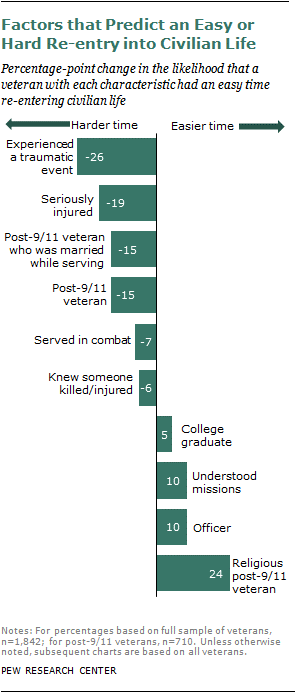
Source: Pew Research
Many of the website’s journalists and contributors are either current or former members of the U.S. military, giving them a unique perspective and understanding of the issues and challenges facing the armed forces. This connection to the military community has helped Military Times establish itself as a trusted and authoritative source of news and information for its target audience.
Is Military Times Biased?
Based on Biasly’s evaluations, Military Times is rated as Somewhat Right.
By examining content patterns and the broader context of media influence, we aim to offer a balanced perspective on Military Times’s political bias—and contribute to the ongoing discussion about bias in the news.
How Does Biasly Rate News Sources?
Biasly uses proprietary algorithms and a team of analysts to provide comprehensive bias evaluations across thousands of news outlets. Over 200,000 articles from more than 3,200 sources have been analyzed to identify the most accurate and unbiased stories.
Biasly assigns each outlet three key scores:
- Reliability Score – Reflects factual accuracy
- AI Bias Score – Generated via natural language processing
- Analyst Bias Score – Assessed by human political analysts
These scores are based on seven core metrics: Tone, Tendency, Diction, Author Check, Selection/Omission, Expediency Bias, and Accuracy. These elements help analysts and algorithms evaluate the political attitude conveyed by each article.
Biasly’s Bias Meter ranges from -100% (most left) to +100% (most right), with 0% indicating neutrality. The system evaluates individual articles based on political terms, policies, figures, and sentiment to calculate precise bias ratings.
Is Military Times Politically Biased?
Military Times earns a Somewhat Right rating for its AI Bias Score and a Somewhat Right for its Analyst Bias Score. The Analyst Bias Score is generated by reviewers from liberal, moderate, and conservative backgrounds. Analysts reviewed Military Times articles and noted preferences for conservative politicians and narratives.
This Bias score is determined through natural language processing that evaluates the tone, word choice, and opinion embedded in the reporting.
How to Evaluate Bias
Although Biasly rates Military Times as Somewhat Right, it’s important to remember that bias can vary from article to article. The complexity of the articles underscores the importance of examining each article individually. So, let’s learn how to evaluate media bias.
Recognizing media bias requires awareness and critical thinking. Often, readers trust news sources that affirm their existing beliefs—a psychological tendency known as confirmation bias. This makes it harder to identify slanted narratives or one-sided reporting.
To address this, it’s essential to challenge your assumptions by consulting multiple perspectives and verifying information through third-party analysis. Tools like Biasly’s media bias ratings allow readers to compare the same news story across the political spectrum.
Ultimately, bias isn’t always a matter of what is said; it’s also about what is left out, how topics are framed, and which stories are chosen for coverage. Learning to recognize these patterns can help readers make more informed decisions and develop greater media literacy.
To start comparing news outlets and gain a better understanding of bias, sign up for Biasly’s Media Bias & News Analytics Platform to see how stories vary between sources.
Military Times Reliability Overview
Is Military Times Reliable?
Military Times finds itself toward the middle of the spectrum, with neither high nor low accuracy. Its status as a specialized military news outlet contributes to its moderate reputation for reliability.
At Biasly, we specialize in evaluating not just bias but also the reliability of media outlets. Let’s explore the accuracy and trustworthiness of Military Times.
How to Evaluate Reliability?
Reliability refers to how trustworthy or accurate a news source is. If we can’t trust what we read, then continuing to consume content from that outlet serves little purpose. So how do we evaluate a news outlet’s reliability?
There are several key indicators of reliability to consider when assessing a media source. Red flags of an unreliable article can include wild, unsubstantiated claims, facts that depend on other unreliable sources, heavy use of opinionated language, and more. In contrast, hallmarks of a reliable source include:
- Absence of subjective language
- Citing credible sources (e.g., .gov, .edu, academic references)
- Verifiable facts and statistics from multiple outlets
- Use of primary sources, like interviews or transcripts
- Consistency with coverage across other platforms
Biasly’s reliability scores incorporate these elements in evaluating media outlets.
So How Does Military Times Fare in Its Reliability?
The political reliability index developed by Biasly assesses both accuracy and trustworthiness. Military Times currently holds Average Reliability Score, which is calculated as a weighted average of:
- Fact Analysis Score – Evaluates the accuracy of claims, facts, and evidence.
- Source Analysis Score – Assesses the number, diversity, and credibility of sources and quotes used.
Military Times’s Source Analysis Score is Average at 55% Reliable. This suggests moderate trustworthiness in its sourcing practices. The score is AI-generated and considers quote length, frequency, diversity, and quality.
The Fact Analysis Score of Military Times is Pending at N/A. This further shows how well Military Times supports its claims, addresses selection and omission bias, and presents verifiable evidence.
While Military Times leans toward factual reporting, occasional lapses such as unbalanced viewpoints or incomplete data can affect its reliability rating. These nuances emphasize the importance of analyzing individual articles.
Military Times’s Accuracy and Reliability
According to Biasly’s analysis, Military Times maintains Average Reliability Score, but individual articles may vary significantly. Let’s dive into the details.
Political orientation plays a crucial role in how audiences perceive reliability. Military Times has been accused of favoring a conservative narrative, potentially at the expense of factual reporting. To validate such claims, it’s essential to analyze whether the publication backs its assertions with sufficient evidence and diverse viewpoints.
Two common types of bias that affect factuality include:
- Selection Bias – Highlighting or omitting stories to fit a particular narrative.
- Omission Bias – Leaving out differing perspectives or relevant details to skew perception.
Biasly’s accuracy ratings use a scale from 1% (least accurate) to 100% (most accurate). Factors include supporting evidence, reliable internal and external sources, and balanced viewpoints.
For example, Quartz is considered a good source according to evaluations by Biasly. Biasly assesses reliability by examining factors such as factual accuracy, use of credible sources, balanced reporting, and overall journalistic quality. Quartz receives a strong reliability rating because its articles are typically well-researched and supported by credible evidence. The publication often references data, expert opinions, and reputable sources when reporting on global business, economics, technology, and political issues. This helps ensure that the information presented to readers is accurate and trustworthy.
So, is Military Times Reliable?
Overall, Military Times can be considered an outlet that is moderately reliable. The site often prioritizes opinion-driven content, with variable sourcing and occasional editorial framing on sensitive international topics. While some claims are supported with evidence, consistency in sourcing and balance could be improved to meet stronger journalistic standards.
As media literacy improves, readers can more easily detect issues with selection bias, omission bias, and factuality. To strengthen your ability to assess reliability across the political spectrum, use Biasly’s News Bias Checker to compare how multiple outlets report the same story.
This empowers you to consume more accurate, balanced, and dependable news.
Military Times Editorial Patterns
Military Times’s coverage of political topics often reflects a Somewhat Right bias, with consistent patterns in phrasing, source selection, and thematic focus that are Slightly Conservative. While the publication demonstrates journalistic standards in many of its reports, the choice of issues, framing, and word usage can indicate a conservative slant. This content analysis examines how Military Times handles liberal and conservative issues and evaluates its language choices and editorial tendencies.
Coverage of Liberal vs. Conservative Topics
As expected, Military Times primarily covers issues related to the military. Some of their most covered topics are military operations, personnel, weapons systems, and budget updates. These issues tend to fall in line with the Republican narrative of peace through strength.
However, they also cover issues that are more critical of the military. They do extensive investigation pieces into alleged corruption or scandals. They also cover the benefits and training the veterans are eligible for. These themes align more closely with positions often associated with Democratic viewpoints, which favor regulations on the military and a social safety net.
Policy and Issue Framing
Although the military is their primary focus, Military Times also covers a variety of traditional political issues.
Criminal justice and government interference are two of Military Times’s most covered issues. They cover both of these issues with little bias. Although they sometimes work these issues into their military slant, they also cover these issues separately.
Military Times covers abortion with a conservative slant. Many conservative publications cover abortion as a way to ignite their reader base, who are generally strongly pro-life. However, Military Times rarely covers abortion, as it lies outside their typical scope of reporting.
Coverage and Relevance
Military Times’s reporting often touches on key issues central to the military. As such, it serves as a compelling case study for examining source bias and news media bias in state-focused reporting.
Funding and Ownership
Who Owns Military Times?
In 2016, Sightline Media Group purchased Military Times. Sightline Media Group is a portfolio company of Regent, a private equity firm owned by investor Michael Reinstein. Military Times, despite employing many military veterans, maintains independence from the federal government to minimize bias in coverage.
Who Funds Military Times?
Like many publications, Military Times relies on ad revenue for money. However, since their target audience is older, they still make a print edition of their publication. They sell digital and print subscriptions, with the subscriptions giving readers access to exclusive articles. Despite attempts to remain independent, Military Times occasionally does branded content with defense industry companies.
Additional Insights
News Source Comparison
When comparing news sources, Military Times is often evaluated alongside other publications that cover the military. Sources like Stars & Stripes, Task & Purpose, and American Military News often present similar tones and editorial philosophies. While Military Times maintains a Somewhat Right media bias, and differs from more overtly partisan outlets by occasionally including opposing viewpoints and maintaining a specialized defense-reporting focus.
This contrasts with more biased media outlets that consistently present one-sided narratives without factual counterpoints. Readers seeking balanced political coverage may compare Military Times’s framing of issues with outlets rated as Center or Lean Right on our Media Bias Chart, or explore other regional papers on our Similar Sources page.
Notable Contributors and Authors
Military Times employs many veterans, which helps Military Times cover military issues with a unique perspective.
J.D. Simkins served in the Marine Corps Infantry from 2003 to 2007. After leaving the military, he pursued a bachelor’s degree from George Mason University. He got his start in journalism as a managing editor for the American Physical Therapy Association. In 2022, he was hired by Military Times as a senior editor. In 2024, he was promoted to editor-in-chief.
Michael Peck is one of Military Times’s most active writers. He started his career with TrueSlant in 2008 as a writer. In 2025, he was hired by Defense News as a correspondent. Defense News is also owned by Sightline Media Group, and Peck often does defense-related articles for Military Times. Biasly considers him a reporter with little bias and average reliability.
Related Tools and Resource Pages
To better understand how Military Times fits into the broader media landscape, we recommend exploring these helpful resources:
- Media Bias Chart: See where Military Times ranks among hundreds of media outlets across the political spectrum.
- Political Bias Chart: Visualize political slants of news sources across various policy areas.
- Journalist Bias Analytics Platform: Explore how individual journalists contribute to bias within their publications.
- Politician Bias Analytics Platform: Compare how politicians are framed differently by Military Times and other outlets.
- Media Literacy Education Platform: Learn how to critically assess media sources, bias techniques, and news reliability.
Frequently Asked Questions
Military Times is rated as Somewhat Right based on Biasly’s media bias algorithm, which assesses sentiment, article framing, and policy favorability.
While Military Times is not widely known for promoting fake news, some articles have shown selection and omission bias, especially in political reporting. Its factual reporting is generally sound. However, Military Times has actually been the victim of misinformation itself. Several fake stories were created using Military Times branding. Many of them revolved around misinformation about the COVID-19 vaccine. These stories spread on Facebook. Unfortunately, many older members of their audience believed the articles were real and shared them. It’s always important to ensure an article is real before sharing it.
Biasly uses a combination of AI sentiment analysis and human analyst review to assess tone, fact accuracy, source quality, and media bias indicators. Learn more on our Bias Meter page.
Generally, yes, though partisan framing and selective reporting can affect perceived reliability.
Military Spending
| Date | Sentiment | Associated Article | Snippet |
|---|---|---|---|
| 08/25/2019 | 75% For | Trump Family Detentions Flores Agreement (link) | So, of course, the Trump administration is doing the opposite in a baldfaced |