








APEC ends with 'Gyeongju Declaration' reaffirming free trade
- Bias Rating
- Reliability
30% ReliableAverage
- Policy Leaning
-34% Somewhat Left
- Politician Portrayal
-5% Negative
Continue For Free
Create your free account to see the in-depth bias analytics and more.
By creating an account, you agree to our Terms and Privacy Policy, and subscribe to email updates.
Log In
Log in to your account to see the in-depth bias analytics and more.
Bias Score Analysis
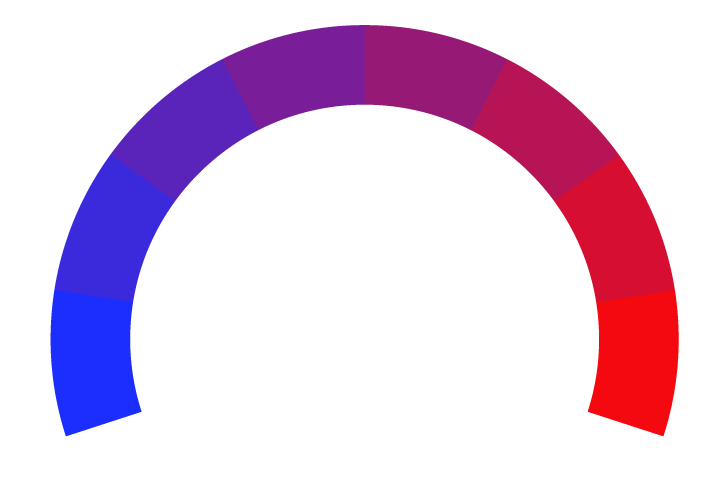
The A.I. bias rating includes policy and politician portrayal leanings based on the author’s tone found in the article using machine learning. Bias scores are on a scale of -100% to 100% with higher negative scores being more liberal and higher positive scores being more conservative, and 0% being neutral.
Sentiments
58% Positive
- Liberal
- Conservative
| Sentence | Sentiment | Bias |
|---|---|---|
Unlock this feature by upgrading to the Pro plan. | ||
Reliability Score Analysis
Policy Leaning Analysis
Politician Portrayal Analysis
Bias Meter
Extremely
Liberal
Very
Liberal
Moderately
Liberal
Somewhat Liberal
Center
Somewhat Conservative
Moderately
Conservative
Very
Conservative
Extremely
Conservative
-100%
Liberal
100%
Conservative
Contributing sentiments towards policy:
60% : It outlines cooperation in five key areas: building resilient social systems, modernizing human capital development, advancing tech-based health care and care services, enhancing economic participation for all and fostering policy coordination across the region.49% : The 21 Asia-Pacific Economic Cooperation (APEC) member economies on Saturday adopted the "Gyeongju Declaration" on the final outcome of the APEC Economic Leaders' Summit, reaffirming their commitment to free trade even amid rising protectionism.
42% : The United States, long skeptical of directly invoking "free trade" in multilateral statements, had resisted the term under the Donald Trump administration's "America First" policy.
41% : In particular, the member economies agreed to "advance economic integration in the Asia-Pacific region in a manner that is market-driven, including through the work on the Free Trade Area of the Asia-Pacific agenda" in the declaration -- an inclusion of such language seen as a diplomatic breakthrough.
*Our bias meter rating uses data science including sentiment analysis, machine learning and our proprietary algorithm for determining biases in news articles. Bias scores are on a scale of -100% to 100% with higher negative scores being more liberal and higher positive scores being more conservative, and 0% being neutral. The rating is an independent analysis and is not affiliated nor sponsored by the news source or any other organization.