








Nigeria's 30% Company Tax Sparks Fresh Concerns Over Foreign Investment Appeal | Investors King
- Bias Rating
- Reliability
N/AN/A
- Policy Leaning
-44% Medium Left
- Politician Portrayal
N/A
Continue For Free
Create your free account to see the in-depth bias analytics and more.
By creating an account, you agree to our Terms and Privacy Policy, and subscribe to email updates.
Log In
Log in to your account to see the in-depth bias analytics and more.
Bias Score Analysis
The A.I. bias rating includes policy and politician portrayal leanings based on the author’s tone found in the article using machine learning. Bias scores are on a scale of -100% to 100% with higher negative scores being more liberal and higher positive scores being more conservative, and 0% being neutral.
Sentiments
20% Positive
- Liberal
- Conservative
| Sentence | Sentiment | Bias |
|---|---|---|
Unlock this feature by upgrading to the Pro plan. | ||
Reliability Score Analysis
Policy Leaning Analysis
Politician Portrayal Analysis
Bias Meter
Extremely
Liberal
Very
Liberal
Moderately
Liberal
Somewhat Liberal
Center
Somewhat Conservative
Moderately
Conservative
Very
Conservative
Extremely
Conservative
-100%
Liberal
100%
Conservative
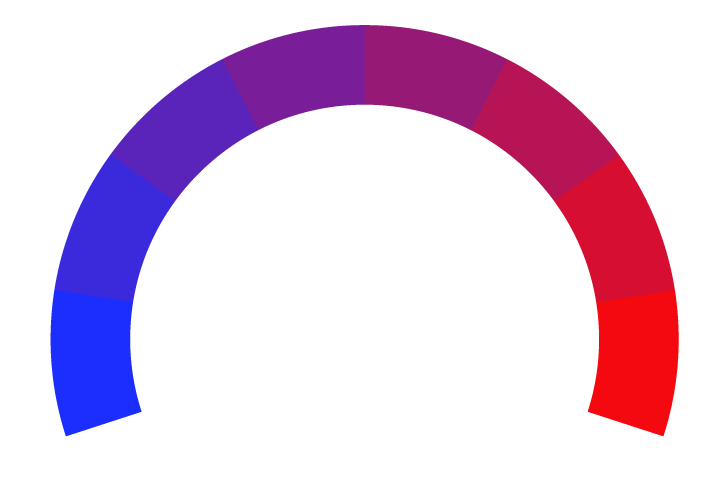
Contributing sentiments towards policy:
59% : A competitive tax regime, they argue, is essential to aligning investment conditions with the country's medium-term economic ambitions.57% : Many believe a review of the current tax framework could become part of wider discussions aimed at enhancing Nigeria's competitiveness in the global investment landscape.
55% : Nigeria's corporate tax environment is drawing renewed scrutiny as analysts warn that the prevailing 30% company income tax may weigh on the country's ability to compete for global capital.
53% : With several economies offering lower corporate tax rates to attract new businesses, Nigeria's position could limit the inflow of fresh capital unless broader incentives offset the higher mandatory levy.
53% : However, they caution that the high tax rate may compel some prospective investors to prioritise other African markets with more favourable fiscal terms.
50% : Market observers note that the current tax structure places Nigeria above many emerging-market peers, raising questions about its attractiveness to multinational firms evaluating African investment destinations.
50% : They argue that while domestic reforms have improved transparency and regulatory oversight, the corporate tax burden remains a critical factor influencing long-term investment decisions.
47% : Industry experts say foreign investors are increasingly sensitive to jurisdictions with higher operating costs, particularly those driven by taxation.
*Our bias meter rating uses data science including sentiment analysis, machine learning and our proprietary algorithm for determining biases in news articles. Bias scores are on a scale of -100% to 100% with higher negative scores being more liberal and higher positive scores being more conservative, and 0% being neutral. The rating is an independent analysis and is not affiliated nor sponsored by the news source or any other organization.