








The next wave of AI regulation: Balancing innovation with safety
- Bias Rating
- Reliability
25% ReliableLimited
- Policy Leaning
-88% Very Left
- Politician Portrayal
N/A
Continue For Free
Create your free account to see the in-depth bias analytics and more.
By creating an account, you agree to our Terms and Privacy Policy, and subscribe to email updates.
Log In
Log in to your account to see the in-depth bias analytics and more.
Bias Score Analysis
The A.I. bias rating includes policy and politician portrayal leanings based on the author’s tone found in the article using machine learning. Bias scores are on a scale of -100% to 100% with higher negative scores being more liberal and higher positive scores being more conservative, and 0% being neutral.
Sentiments
30% Positive
- Liberal
- Conservative
| Sentence | Sentiment | Bias |
|---|---|---|
Unlock this feature by upgrading to the Pro plan. | ||
Reliability Score Analysis
Policy Leaning Analysis
Politician Portrayal Analysis
Bias Meter
Extremely
Liberal
Very
Liberal
Moderately
Liberal
Somewhat Liberal
Center
Somewhat Conservative
Moderately
Conservative
Very
Conservative
Extremely
Conservative
-100%
Liberal
100%
Conservative
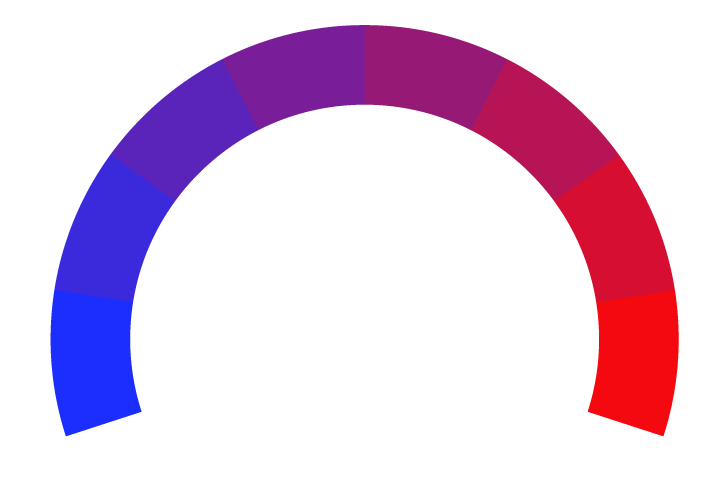
Contributing sentiments towards policy:
64% : Yet critics warn that voluntary measures alone are insufficient to address systemic harms such as misinformation, privacy erosion, and algorithmic discrimination.62% : For example, the EU's regulatory ecosystem integrates the AI Act, the GDPR (General Data Protection Regulation), and other directives to set standards for transparency and ethical AI design.
59% : At its core, AI regulation is about aligning cutting-edge technology with fundamental ethical principles.
57% : But the speed of AI deployment often outpaces the regulatory frameworks meant to govern it.
57% : Across the globe, different jurisdictions are taking divergent approaches to AI regulation: This patchwork of regulation underscores the urgency and complexity of governing AI globally.
57% : Some experts advocate for principles-based AI regulation and voluntary safety commitments that complement formal legal requirements.
55% : One of the central challenges of AI regulation is striking the right balance between accountability and innovation.
54% : As AI regulation becomes more concrete, enforcement mechanisms and compliance strategies are moving to the forefront: Investors and board members are also taking note: good governance and compliance are now considered critical components of corporate strategy, not just regulatory burdens.
54% : The evolution of AI regulation will not stop in 2026 - it will continue to shift, adapt, and expand:
51% : The term AI regulation has rapidly shifted from a future concept to a present-day imperative, with major laws entering force, emerging policies being debated, and new governance models taking shape.
51% : AI regulation isn't one‑size‑fits‑all - certain sectors demand more stringent oversight: By 2026, regulators will increasingly tailor AI requirements based on sector-specific risks, often in collaboration with industry stakeholders.
49% : In 2026, AI regulation stands at a critical juncture.
48% : Experts argue that without thoughtful regulation, public trust and safety could be compromised, yet overly rigid rules might stifle growth and competitiveness.
47% : Regulators are increasingly focused on safeguarding human rights, privacy, fairness, and non-discrimination.
*Our bias meter rating uses data science including sentiment analysis, machine learning and our proprietary algorithm for determining biases in news articles. Bias scores are on a scale of -100% to 100% with higher negative scores being more liberal and higher positive scores being more conservative, and 0% being neutral. The rating is an independent analysis and is not affiliated nor sponsored by the news source or any other organization.