








Bulgaria adopts the euro, nearly 20 years after joining the EU
- Bias Rating
- Reliability
25% ReliableLimited
- Policy Leaning
-40% Somewhat Left
- Politician Portrayal
N/A
Continue For Free
Create your free account to see the in-depth bias analytics and more.
By creating an account, you agree to our Terms and Privacy Policy, and subscribe to email updates.
Log In
Log in to your account to see the in-depth bias analytics and more.
Bias Score Analysis
The A.I. bias rating includes policy and politician portrayal leanings based on the author’s tone found in the article using machine learning. Bias scores are on a scale of -100% to 100% with higher negative scores being more liberal and higher positive scores being more conservative, and 0% being neutral.
Sentiments
21% Positive
- Liberal
- Conservative
| Sentence | Sentiment | Bias |
|---|---|---|
Unlock this feature by upgrading to the Pro plan. | ||
Reliability Score Analysis
Policy Leaning Analysis
Politician Portrayal Analysis
Bias Meter
Extremely
Liberal
Very
Liberal
Moderately
Liberal
Somewhat Liberal
Center
Somewhat Conservative
Moderately
Conservative
Very
Conservative
Extremely
Conservative
-100%
Liberal
100%
Conservative
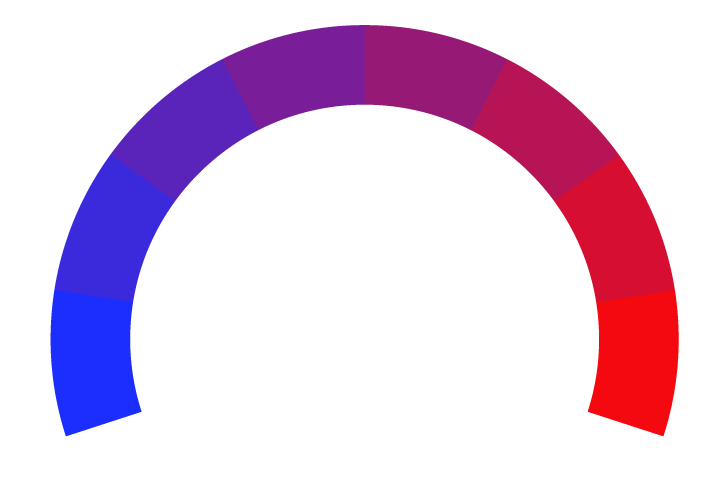
Contributing sentiments towards policy:
62% : In a speech broadcast shortly before midnight, President Rumen Radev hailed it as the "final step" in Bulgaria's EU integration, as thousands of people braved sub-zero temperatures in the capital Sofia to celebrate the New Year.61% : Bulgaria Bulgaria yesterday became the 21st country to switch to the euro, a milestone met with both cheers and fears, nearly 20 years after the Balkan nation joined the European Union.
48% : Successive governments in the country of 6.4 million people have advocated joining the euro, hoping that it will boost the economy of the European Union's poorest member, reinforce ties to the West and protect against Russia's influence.
*Our bias meter rating uses data science including sentiment analysis, machine learning and our proprietary algorithm for determining biases in news articles. Bias scores are on a scale of -100% to 100% with higher negative scores being more liberal and higher positive scores being more conservative, and 0% being neutral. The rating is an independent analysis and is not affiliated nor sponsored by the news source or any other organization.