








 Lexology
New Year, New AI Rules: Healthcare AI Laws Now in Effect
- Bias Rating
18% Somewhat Right
- Reliability
65% ReliableAverage
- Policy Leaning
20% Somewhat Right
- Politician Portrayal
57% Positive
Continue For Free
Create your free account to see the in-depth bias analytics and more.
By creating an account, you agree to our Terms and Privacy Policy, and subscribe to email updates.
Log In
Log in to your account to see the in-depth bias analytics and more.
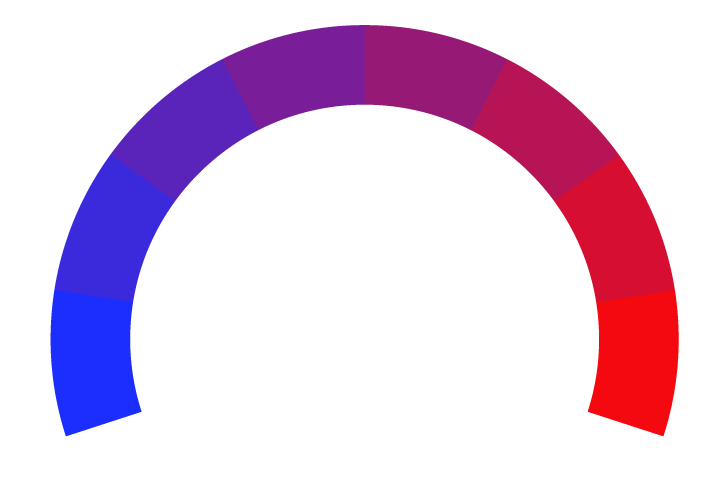
The A.I. bias rating includes policy and politician portrayal leanings based on the author’s tone found in the article using machine learning. Bias scores are on a scale of -100% to 100% with higher negative scores being more liberal and higher positive scores being more conservative, and 0% being neutral.
Sentiments
13% Positive
- Liberal
- Conservative
| Sentence | Sentiment | Bias |
|---|---|---|
Unlock this feature by upgrading to the Pro plan. | ||
Bias Meter
Extremely
Liberal
Very
Liberal
Moderately
Liberal
Somewhat Liberal
Center
Somewhat Conservative
Moderately
Conservative
Very
Conservative
Extremely
Conservative
-100%
Liberal
100%
Conservative
Contributing sentiments towards policy:
64% : On December 11, 2025, President Donald Trump signed an executive order, titled "Ensuring a National Policy Framework for Artificial Intelligence" (the AI Executive Order), that aims to preempt state AI laws and establish a "single national framework" for AI regulation.59% : As healthcare organizations ring in 2026, they will also be ringing in a new era of AI regulation.
56% : Healthcare organizations developing, deploying, or using AI should consider the following as the new year begins: The patchwork of state AI regulation is only going to grow more complex, and the December 11 AI Executive Order adds a new layer of federal-state tension.
44% : The order directs the U.S. Attorney General to establish an AI Litigation Task Force within 30 days, charged with challenging state AI laws that the administration deems inconsistent with federal policy -- including on grounds that such laws unconstitutionally regulate interstate commerce or are preempted by federal regulations.
42% : The patchwork of state regulation that prompted this AI Executive Order is unlikely to disappear overnight, and healthcare organizations operating in multiple states will need to navigate this evolving legal landscape carefully.
33% : The U.S. Secretary of Commerce must identify "onerous" state AI laws within 90 days, and the order specifically calls out Colorado's AI Act as an example of problematic state regulation.
*Our bias meter rating uses data science including sentiment analysis, machine learning and our proprietary algorithm for determining biases in news articles. Bias scores are on a scale of -100% to 100% with higher negative scores being more liberal and higher positive scores being more conservative, and 0% being neutral. The rating is an independent analysis and is not affiliated nor sponsored by the news source or any other organization.