








 Devdiscourse Article Rating
Union Budget 2026-27: Driving India's EV Revolution Forward | Business
- Bias Rating
-36% Somewhat Left
- Reliability
N/AN/A
- Policy Leaning
-36% Somewhat Left
- Politician Portrayal
N/A
Continue For Free
Create your free account to see the in-depth bias analytics and more.
By creating an account, you agree to our Terms and Privacy Policy, and subscribe to email updates.
Log In
Log in to your account to see the in-depth bias analytics and more.
The A.I. bias rating includes policy and politician portrayal leanings based on the author’s tone found in the article using machine learning. Bias scores are on a scale of -100% to 100% with higher negative scores being more liberal and higher positive scores being more conservative, and 0% being neutral.
Sentiments
46% Positive
- Liberal
- Conservative
| Sentence | Sentiment | Bias |
|---|---|---|
Unlock this feature by upgrading to the Pro plan. | ||
Bias Meter
Extremely
Liberal
Very
Liberal
Moderately
Liberal
Somewhat Liberal
Center
Somewhat Conservative
Moderately
Conservative
Very
Conservative
Extremely
Conservative
-100%
Liberal
100%
Conservative
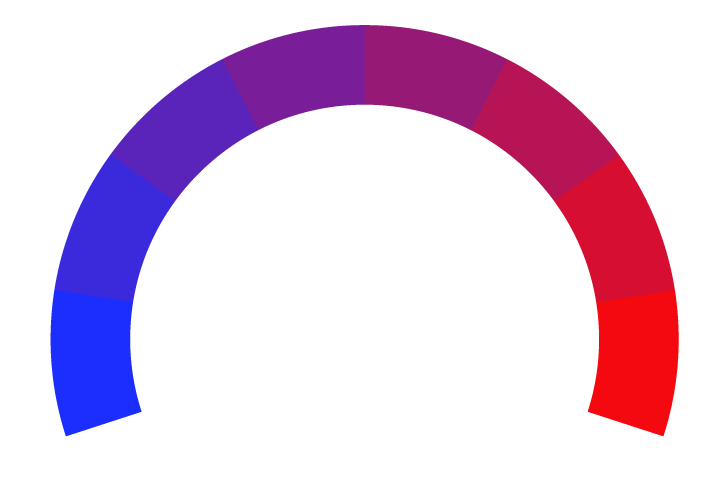
Contributing sentiments towards policy:
61% : She forecasts that a strategic mix of EV-centered incentives, tax relief, and regulatory clarity in the forthcoming budget could not only align with India's clean energy targets but also diminish the country's fossil fuel reliance and fortify its fiscal health.59% : Proposed measures include recalibrating the PLI scheme, offering tax incentives, and easing customs procedures to promote affordability and sustainability in India's EV sector.
56% : Among the proposals likely to be explored are adjustments to the Production-Linked Incentive (PLI) scheme, targeted tax incentives for R&D, and capital goods manufacturing to enhance scale and competitiveness.
51% : On sustainability, Sareen cited Corporate Average Fuel Efficiency (CAFE) norms as a major driver of cleaner mobility in India, with the potential evolution of carbon taxes further incentivizing electrification.
48% : In terms of indirect taxation, Sareen observed limited scope for GST rate rationalization, given recent reforms.
*Our bias meter rating uses data science including sentiment analysis, machine learning and our proprietary algorithm for determining biases in news articles. Bias scores are on a scale of -100% to 100% with higher negative scores being more liberal and higher positive scores being more conservative, and 0% being neutral. The rating is an independent analysis and is not affiliated nor sponsored by the news source or any other organization.