








 Mint
Union Budget 2026: Key terms you should know before FM Sitharaman makes her Budget speech on 1 February | Mint
- Bias Rating
24% Somewhat Right
- Reliability
15% ReliableLimited
- Policy Leaning
24% Somewhat Right
- Politician Portrayal
N/A
Continue For Free
Create your free account to see the in-depth bias analytics and more.
By creating an account, you agree to our Terms and Privacy Policy, and subscribe to email updates.
Log In
Log in to your account to see the in-depth bias analytics and more.
The A.I. bias rating includes policy and politician portrayal leanings based on the author’s tone found in the article using machine learning. Bias scores are on a scale of -100% to 100% with higher negative scores being more liberal and higher positive scores being more conservative, and 0% being neutral.
Sentiments
10% Positive
- Liberal
- Conservative
| Sentence | Sentiment | Bias |
|---|---|---|
Unlock this feature by upgrading to the Pro plan. | ||
Bias Meter
Extremely
Liberal
Very
Liberal
Moderately
Liberal
Somewhat Liberal
Center
Somewhat Conservative
Moderately
Conservative
Very
Conservative
Extremely
Conservative
-100%
Liberal
100%
Conservative
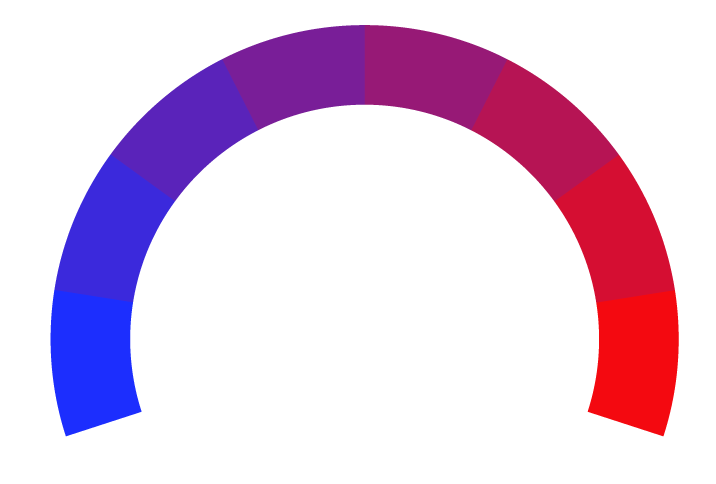
Contributing sentiments towards policy:
60% : Knowing the Budget keywords will give you a fair idea of what is being said to shape public spending and revenues for the fiscal year.58% : The revenue receipts contain tax and non-tax revenues.
52% : Before Finance Minister Nirmala Sitharaman tables the government's blueprint on expenditure, taxes it is planning to implement, it will be important to know what she says during her Budget speech as it will affect all citizens and the economy as a whole.
52% : Revenue receipts: This is the income created by the government through taxes and non-tax sources.
50% : Fiscal policy: This is the policy taken up by the government to influence the course of India's economy through decisions on spending and taxes, and is implemented through the Budget. 3.
49% : Corporate tax: This is the tax paid by corporations or firms on the incomes they earn. 25.
45% : Direct taxes: These include income tax and corporate tax among others, paid directly to the government by individuals. 20.
38% : Finance Bill: This is produced immediately after the Budget gets presented in the Parliament detailing the imposition, abolition, alteration or regulation of taxes proposed in the Union Budget. 10.
35% : Indirect taxes: Taxes like GST are known as indirect taxes, and is collected by the government through intermediaries via taxes levied on goods and services. 21.
*Our bias meter rating uses data science including sentiment analysis, machine learning and our proprietary algorithm for determining biases in news articles. Bias scores are on a scale of -100% to 100% with higher negative scores being more liberal and higher positive scores being more conservative, and 0% being neutral. The rating is an independent analysis and is not affiliated nor sponsored by the news source or any other organization.