








For solar power to truly provide affordable energy access, we need to deploy it better
- Bias Rating
- Reliability
70% ReliableGood
- Policy Leaning
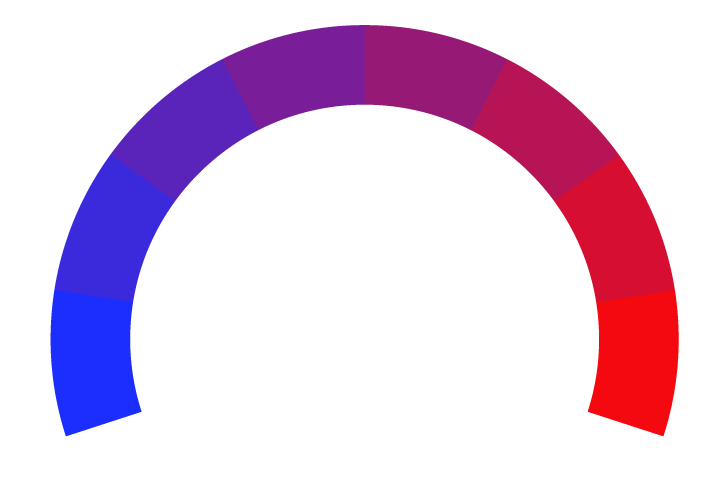
-68% Medium Left
- Politician Portrayal
-62% Negative
Continue For Free
Create your free account to see the in-depth bias analytics and more.
By creating an account, you agree to our Terms and Privacy Policy, and subscribe to email updates.
Log In
Log in to your account to see the in-depth bias analytics and more.
Bias Score Analysis
The A.I. bias rating includes policy and politician portrayal leanings based on the author’s tone found in the article using machine learning. Bias scores are on a scale of -100% to 100% with higher negative scores being more liberal and higher positive scores being more conservative, and 0% being neutral.
Sentiments
33% Positive
- Liberal
| Sentence | Sentiment | Bias |
|---|---|---|
Unlock this feature by upgrading to the Pro plan. | ||
Reliability Score Analysis
Policy Leaning Analysis
Politician Portrayal Analysis
Bias Meter
Extremely
Liberal
Very
Liberal
Moderately
Liberal
Somewhat Liberal
Center
Somewhat Conservative
Moderately
Conservative
Very
Conservative
Extremely
Conservative
-100%
Liberal
100%
Conservative
Contributing sentiments towards policy:
61% : Such studies offer insights for better deployment of solar technologies to alleviate energy poverty wherever people are struggling to afford and gain access to solar power, the researchers said.60% : Notably, the largest use of solar power was for charging mobile phones, which are ubiquitous in Malawian households.
59% : For comparison, 97% of household rooftop solar panels installed in the U.S. last year output between 400 and 460 watts, according to EnergySage, an online clean energy marketplace.
56% : While working with the research team, Dai began to suspect that households with access to solar power were engaging more with mobile money.
55% : Study in Malawi -- a country with one of the lowest energy access rates on the planet -- reveals obstacles, opportunities for household solar power systems Small household solar power systems have been gaining traction -- and investment -- as means to provide affordable and sustainable energy to those living without access to electricity.
*Our bias meter rating uses data science including sentiment analysis, machine learning and our proprietary algorithm for determining biases in news articles. Bias scores are on a scale of -100% to 100% with higher negative scores being more liberal and higher positive scores being more conservative, and 0% being neutral. The rating is an independent analysis and is not affiliated nor sponsored by the news source or any other organization.