








 The Guardian Article Rating
UN's landmark slavery ruling energises African Union's fight for reparations
- Bias Rating
- Reliability
55% ReliableAverage
- Policy Leaning
2% Center
- Politician Portrayal
-68% Negative
Continue For Free
Create your free account to see the in-depth bias analytics and more.
By creating an account, you agree to our Terms and Privacy Policy, and subscribe to email updates.
Log In
Log in to your account to see the in-depth bias analytics and more.
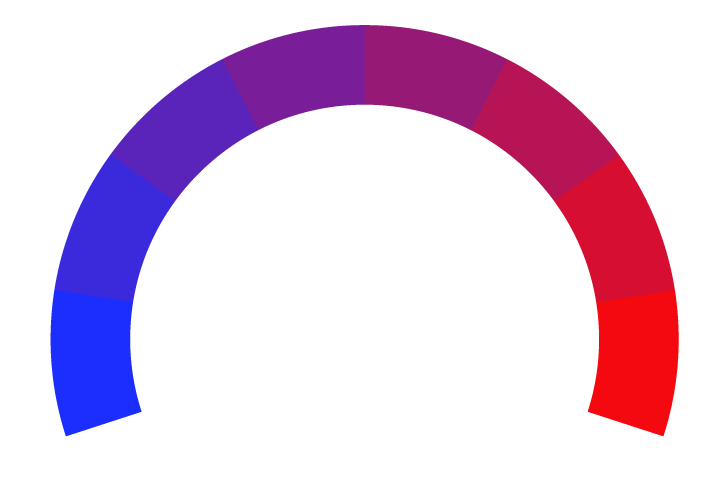
The A.I. bias rating includes policy and politician portrayal leanings based on the author’s tone found in the article using machine learning. Bias scores are on a scale of -100% to 100% with higher negative scores being more liberal and higher positive scores being more conservative, and 0% being neutral.
Sentiments
-37% Negative
- Liberal
- Conservative
| Sentence | Sentiment | Bias |
|---|---|---|
Unlock this feature by upgrading to the Pro plan. | ||
Bias Meter
Extremely
Liberal
Very
Liberal
Moderately
Liberal
Somewhat Liberal
Center
Somewhat Conservative
Moderately
Conservative
Very
Conservative
Extremely
Conservative
-100%
Liberal
100%
Conservative
Contributing sentiments towards policy:
57% : "We travel this long road, each step guided by a desire to be better and to do better, each step bringing us closer to the kind of world we would want to leave for our children," said Mahama in his speech at the UN general assembly.56% : The resolution to declare the practice as "the gravest crime against humanity" passed with a decisive majority at the UN general assembly and has been largely welcomed across Africa.
47% : Perhaps because of their history of subjugation of Indigenous people and perpetuation of chattel slavery, the western bloc of Australia, Canada, the UK and the EU states all abstained in the vote, electing to postpone their day of atonement.
46% : The three states to publicly vote against the resolution were Argentina, where two-thirds of the value of all imports arriving at the port of Buenos Aires between 1580 and 1640 were enslaved Africans; Israel and the US, where 11 states seceded rather than obey the Emancipation Proclamation freeing enslaved Africans.
43% : Representatives of EU states spoke against what they considered retroactive application of international law, but there was also an unspoken desire to censor the past.
42% : The Vatican's permanent observer to the UN, Archbishop Gabriele Caccia, mentioned examples of papal condemnations of slavery in a speech before the vote and called the resolution a "partial narrative".
*Our bias meter rating uses data science including sentiment analysis, machine learning and our proprietary algorithm for determining biases in news articles. Bias scores are on a scale of -100% to 100% with higher negative scores being more liberal and higher positive scores being more conservative, and 0% being neutral. The rating is an independent analysis and is not affiliated nor sponsored by the news source or any other organization.