








India's Tax Reset Begins: What Changes From April 1, 2026 - BW People
- Bias Rating
- Reliability
5% ReliableLimited
- Policy Leaning
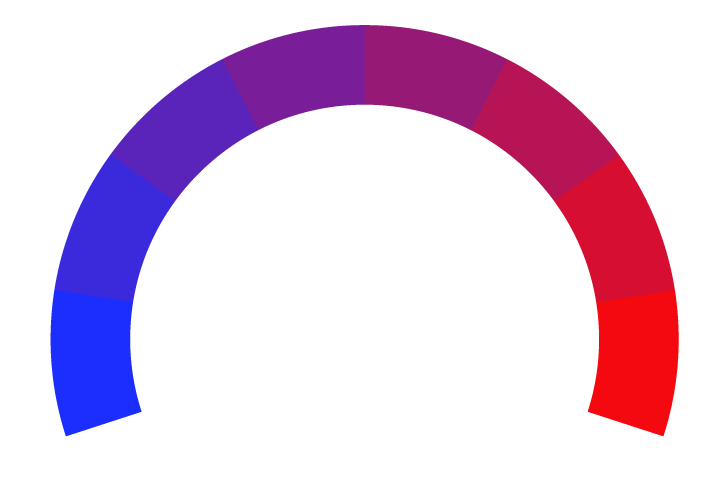
-28% Somewhat Left
- Politician Portrayal
N/A
Continue For Free
Create your free account to see the in-depth bias analytics and more.
By creating an account, you agree to our Terms and Privacy Policy, and subscribe to email updates.
Log In
Log in to your account to see the in-depth bias analytics and more.
Bias Score Analysis
The A.I. bias rating includes policy and politician portrayal leanings based on the author’s tone found in the article using machine learning. Bias scores are on a scale of -100% to 100% with higher negative scores being more liberal and higher positive scores being more conservative, and 0% being neutral.
Sentiments
16% Positive
- Liberal
- Conservative
| Sentence | Sentiment | Bias |
|---|---|---|
Unlock this feature by upgrading to the Pro plan. | ||
Reliability Score Analysis
Policy Leaning Analysis
Politician Portrayal Analysis
Bias Meter
Extremely
Liberal
Very
Liberal
Moderately
Liberal
Somewhat Liberal
Center
Somewhat Conservative
Moderately
Conservative
Very
Conservative
Extremely
Conservative
-100%
Liberal
100%
Conservative
Contributing sentiments towards policy:
61% : A new tax law, revised compliance rules, and changes to everyday transactions signal a shift toward a more transparent, structured financial ecosystem India's financial and tax landscape is undergoing one of its most comprehensive overhauls in recent years, with a wide-ranging set of reforms coming into effect from April 1, 2026.60% : Designed to simplify compliance and reduce complexity, the new framework introduces a unified "tax year," replacing the long-standing distinction between financial year and assessment year -- an effort aimed at making the system more intuitive, particularly for first-time taxpayers.
58% : On the compliance front, employee-related tax provisions are becoming more stringent.
55% : At the core of this shift is the introduction of the Income Tax Act, 2025, which replaces the decades-old 1961 legislation.
55% : The tax-free limit on meal cards has been increased significantly, while exemptions on gift vouchers and children's allowances have been revised upwards -- indicating a calibrated attempt to balance stricter reporting with selective relief.
55% : Parallel to tax reforms, several changes are set to impact everyday financial behaviour.
51% : The changes go beyond taxation, reshaping everything from compliance frameworks and investment rules to everyday financial transactions.
50% : Corporate taxation rules are also seeing structural changes.
50% : Income from dividends and mutual funds will now be calculated without allowing deductions on interest expenses, tightening the tax treatment of leveraged investments.
47% : For global transactions, the government has reduced Tax Collected at Source (TCS) rates on foreign remittances for education, healthcare, and travel, lowering the burden on individuals spending abroad.
44% : Similarly, Sovereign Gold Bonds purchased from secondary markets will lose their earlier tax-exempt status upon redemption.
40% : Higher Securities Transaction Tax (STT) on futures and options will make derivatives trading more expensive, reflecting a policy tilt toward tighter oversight of speculative activity.
39% : Stock buybacks will now be taxed as capital gains rather than deemed dividends, potentially altering tax liabilities for promoters and retail investors alike.
*Our bias meter rating uses data science including sentiment analysis, machine learning and our proprietary algorithm for determining biases in news articles. Bias scores are on a scale of -100% to 100% with higher negative scores being more liberal and higher positive scores being more conservative, and 0% being neutral. The rating is an independent analysis and is not affiliated nor sponsored by the news source or any other organization.