








Hidden Wealth Solution CEO Chuck Oliver Explains Why Retirement Taxes Are Optional If You Plan Ahead - FinanceFeeds
- Bias Rating
- Reliability
20% ReliableLimited
- Policy Leaning
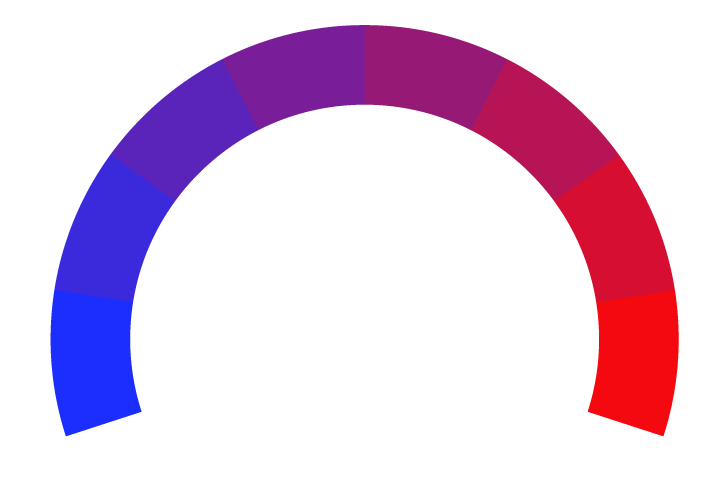
98% Very Right
- Politician Portrayal
N/A
Continue For Free
Create your free account to see the in-depth bias analytics and more.
By creating an account, you agree to our Terms and Privacy Policy, and subscribe to email updates.
Log In
Log in to your account to see the in-depth bias analytics and more.
Bias Score Analysis
The A.I. bias rating includes policy and politician portrayal leanings based on the author’s tone found in the article using machine learning. Bias scores are on a scale of -100% to 100% with higher negative scores being more liberal and higher positive scores being more conservative, and 0% being neutral.
Sentiments
35% Positive
- Liberal
- Conservative
| Sentence | Sentiment | Bias |
|---|---|---|
Unlock this feature by upgrading to the Pro plan. | ||
Reliability Score Analysis
Policy Leaning Analysis
Politician Portrayal Analysis
Bias Meter
Extremely
Liberal
Very
Liberal
Moderately
Liberal
Somewhat Liberal
Center
Somewhat Conservative
Moderately
Conservative
Very
Conservative
Extremely
Conservative
-100%
Liberal
100%
Conservative
Contributing sentiments towards policy:
60% : For retirees and pre-retirees, that means having a written strategy for withdrawal sequencing, Roth conversion timing, Medicare threshold management, Social Security taxation, and legacy planning.58% : It should begin with tax planning, and then build a wealth strategy on top of that foundation.
56% : Medicare Part B and D premiums can rise sharply once income crosses certain thresholds.
56% : The income-related monthly adjustment amount is effectively a surcharge on Medicare premiums for higher-income retirees.
56% : A poorly timed withdrawal or an oversized Roth conversion in a single year can increase Medicare premiums by $2,000 to $5,000 or more annually.
55% : And when retirement accounts pass to children, the tax burden frequently continues into the next generation.
55% : A retiree might choose to draw from Roth accounts first in high-tax years, use brokerage assets when capital gains can be carefully controlled, and convert traditional IRA balances gradually while staying within favorable brackets.
55% : It can reduce quarterly estimated taxes, manage bracket exposure, lower future RMD obligations, and keep more income available during the years when retirees most want to enjoy it.
54% : That makes Roth assets especially valuable when retirees are trying to avoid Medicare surcharges, limit Social Security taxation, and preserve flexibility for later-life healthcare or legacy expenses.
53% : In retirement, however, every income source can create a different tax consequence.
53% : During working years, it is easy to overlook large withholdings because taxes come out automatically.
53% : A well-designed tax plan can create meaningful room without forcing lifestyle cuts.
52% : The earlier taxes are addressed, the more flexibility exists to redirect unnecessary tax payments into retirement savings, Roth strategies, or discretionary income that can genuinely improve quality of life.
50% : While working, taxes often feel predictable: income is earned, withholding happens, a return is filed.
50% : The Three Biggest Tax Threats in Retirement Ordinary income from traditional retirement accounts is the first major threat.
50% : Spending More in Retirement Without Paying More in Taxes A common assumption in retirement planning is that retirees should live on 70% to 80% of their pre-retirement income.
49% : Retirement tax planning is not about loopholes or gimmicks.
48% : They stack on top of one another, which is precisely why retirement tax planning requires far more than a simple withdrawal rule.
48% : The Goal Is Not to Avoid Taxes.
46% : Most people assume taxes get simpler in retirement.
46% : That principle sits at the center of Chuck Oliver's approach at Hidden Wealth Solution: retirement success is determined not just by investment returns, but by how efficiently money is withdrawn, converted, and protected from unnecessary taxation.
46% : That is what it really means to take control of retirement spending, not by ignoring taxes, but by refusing to overpay them.
45% : Converting too much at once can cause a significant tax spike.
45% : When coordinated correctly, Roth assets can provide a way to fund later-life spending, healthcare needs, or legacy goals without generating a large tax liability in the process.
45% : And it means understanding that more portfolio growth is not always the answer if that growth occurs inside an account structure that only compounds future taxes.
44% : Chuck Oliver's approach at Hidden Wealth Solution is built on this forward-looking mindset: wealth planning should not begin with the portfolio and end with taxes.
44% : The optimal strategy is typically a measured one: convert enough to reduce future tax drag, but not so much that the conversion itself creates avoidable penalties and bracket damage.
44% : They are often optional, or at least far more manageable, when income is organized deliberately, withdrawals are timed correctly, and tax exposure is addressed before it becomes a crisis.
43% : Tax-deferred does not mean tax-free.
43% : For retirees who do not need those funds to live on, RMDs still arrive, inflating taxable income, increasing Social Security taxation, and creating a larger future tax burden for heirs.
43% : Pulling from a Roth IRA does not increase taxable income, does not trigger Medicare surcharges, and does not increase the taxable portion of Social Security.
43% : Why Many Retirees Wish They Had Started Earlier A recurring theme among retirees is regret, not about how much they saved, but about how long they waited to think strategically about taxes.
43% : The Bottom Line Retirement taxes are not inevitable as most people believe.
43% : As Chuck Oliver of Hidden Wealth Solution often emphasizes, "It's not about avoiding taxes.
42% : Pulling from a traditional IRA creates ordinary income and can set off a chain reaction of taxes and surcharges.
42% : The challenge is that many households end up routing unnecessary tax payments out of their budget instead of using that money to fund those goals.
39% : At a certain age, the IRS stops permitting tax deferral and begins forcing taxable withdrawals.
38% : Medicare IRMAA is the second threat.
36% : This is why many retirees are shocked to find themselves paying as much, or more, in taxes after they stop working than they did during their highest-earning years.
35% : Retirement Does Not Mean a Lower Tax Bill A hard truth many retirees discover too late is that they do not retire into a simpler tax system.
30% : In reality, retirement often introduces a more complicated tax environment, one where required minimum distributions, Medicare income surcharges, Social Security taxation, and inherited IRA exposure can quietly drain wealth if income is not managed strategically.
*Our bias meter rating uses data science including sentiment analysis, machine learning and our proprietary algorithm for determining biases in news articles. Bias scores are on a scale of -100% to 100% with higher negative scores being more liberal and higher positive scores being more conservative, and 0% being neutral. The rating is an independent analysis and is not affiliated nor sponsored by the news source or any other organization.