








Orbán's Victory: a strategic win for European sovereignty | News.az
- Bias Rating
- Reliability
40% ReliableAverage
- Policy Leaning
58% Medium Right
- Politician Portrayal
N/A
Continue For Free
Create your free account to see the in-depth bias analytics and more.
By creating an account, you agree to our Terms and Privacy Policy, and subscribe to email updates.
Log In
Log in to your account to see the in-depth bias analytics and more.
Bias Score Analysis
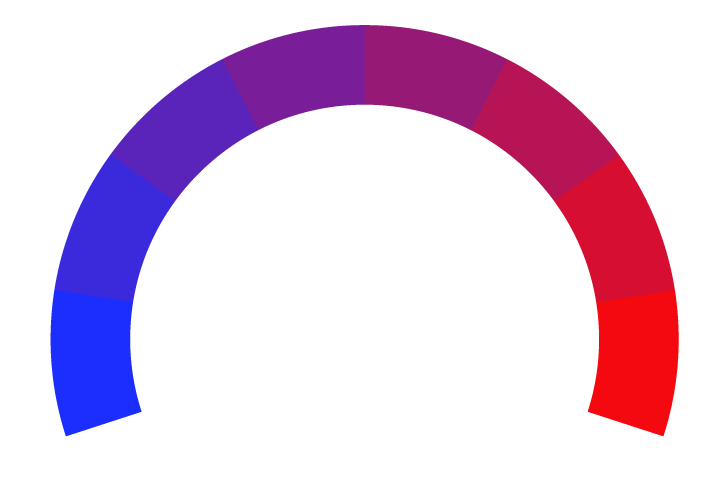
The A.I. bias rating includes policy and politician portrayal leanings based on the author’s tone found in the article using machine learning. Bias scores are on a scale of -100% to 100% with higher negative scores being more liberal and higher positive scores being more conservative, and 0% being neutral.
Sentiments
-20% Negative
- Liberal
- Conservative
| Sentence | Sentiment | Bias |
|---|---|---|
Unlock this feature by upgrading to the Pro plan. | ||
Reliability Score Analysis
Policy Leaning Analysis
Politician Portrayal Analysis
Bias Meter
Extremely
Liberal
Very
Liberal
Moderately
Liberal
Somewhat Liberal
Center
Somewhat Conservative
Moderately
Conservative
Very
Conservative
Extremely
Conservative
-100%
Liberal
100%
Conservative
Contributing sentiments towards policy:
51% : He contends that the current European Commission is stretching the concept of cooperation to its breaking point, encroaching on member-state competencies in education, healthcare, and housing. Annemans argues that the EU is being steered toward a "Hamiltonian moment" -- the inevitable creation of a centralized superstate through the accumulation of debt -- and that an Orbán victory is, above all, the preservation of a key stronghold within the European Council to stop this federalist power grab.44% : According to Annemans, Orbán has transcended national politics to become a symbol of resistance against EU centralization and a "patriotic alternative" to the federalist agenda of the Von der Leyen Commission, News.Az reports, citing Euro News.
40% : Ultimately, the piece frames the Hungarian election as a litmus test for the EU: can the Union coexist with substantive internal disagreement, or will it continue to narrow the democratic space it claims to defend?
33% : The article emphasizes that the EU cannot claim to protect democracy while treating ideologically "inconvenient" election results as suspicious.
*Our bias meter rating uses data science including sentiment analysis, machine learning and our proprietary algorithm for determining biases in news articles. Bias scores are on a scale of -100% to 100% with higher negative scores being more liberal and higher positive scores being more conservative, and 0% being neutral. The rating is an independent analysis and is not affiliated nor sponsored by the news source or any other organization.