








World Earth Day 2026 Marks Global Climate Action And Renewable Energy Push - BW Sustainabilityworld
- Bias Rating
- Reliability
5% ReliableLimited
- Policy Leaning
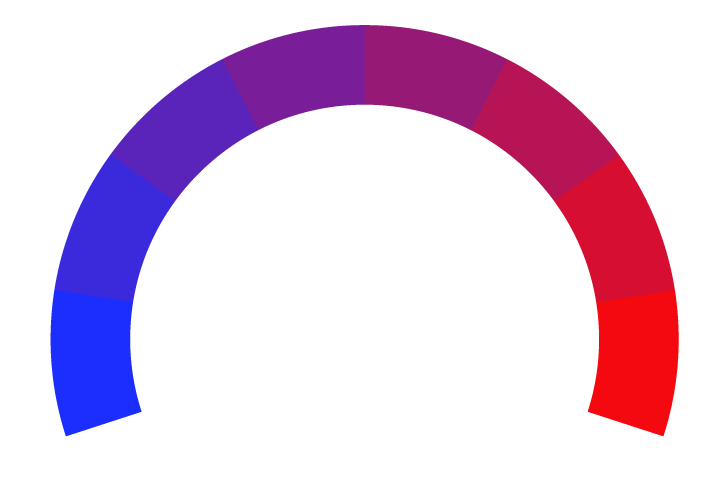
-70% Medium Left
- Politician Portrayal
57% Positive
Continue For Free
Create your free account to see the in-depth bias analytics and more.
By creating an account, you agree to our Terms and Privacy Policy, and subscribe to email updates.
Log In
Log in to your account to see the in-depth bias analytics and more.
Bias Score Analysis
The A.I. bias rating includes policy and politician portrayal leanings based on the author’s tone found in the article using machine learning. Bias scores are on a scale of -100% to 100% with higher negative scores being more liberal and higher positive scores being more conservative, and 0% being neutral.
Sentiments
20% Positive
- Liberal
- Conservative
| Sentence | Sentiment | Bias |
|---|---|---|
Unlock this feature by upgrading to the Pro plan. | ||
Reliability Score Analysis
Policy Leaning Analysis
Politician Portrayal Analysis
Bias Meter
Extremely
Liberal
Very
Liberal
Moderately
Liberal
Somewhat Liberal
Center
Somewhat Conservative
Moderately
Conservative
Very
Conservative
Extremely
Conservative
-100%
Liberal
100%
Conservative
Contributing sentiments towards policy:
64% : Observed on April 22, World Earth Day 2026 brings together over a billion people worldwide, focusing on renewable energy, environmental protection and coordinated climate action across nations.64% : The theme for World Earth Day 2026, "Our Power, Our Planet", emphasises renewable energy and collective environmental responsibility.
62% : It calls for strengthening global renewable energy systems and encouraging communities to adopt sustainable practices.
62% : The significance of Earth Day lies in its push for renewable energy expansion, behavioural change and global cooperation.
57% : The event led to major policy outcomes in the United States, including the establishment of the Environmental Protection Agency and the enactment of the Clean Air Act and Clean Water Act.
35% : However, challenges persist, including rising global temperatures, large-scale forest loss, plastic contamination of oceans, weakening environmental regulations and accelerating species extinction.
*Our bias meter rating uses data science including sentiment analysis, machine learning and our proprietary algorithm for determining biases in news articles. Bias scores are on a scale of -100% to 100% with higher negative scores being more liberal and higher positive scores being more conservative, and 0% being neutral. The rating is an independent analysis and is not affiliated nor sponsored by the news source or any other organization.