








 i Newspaperr Article Rating
All the taxes Andy Burnham could raise or cut - and the likelihood
- Bias Rating
-36% Somewhat Left
- Reliability
35% ReliableAverage
- Policy Leaning
-36% Somewhat Left
- Politician Portrayal
N/A
Continue For Free
Create your free account to see the in-depth bias analytics and more.
By creating an account, you agree to our Terms and Privacy Policy, and subscribe to email updates.
Log In
Log in to your account to see the in-depth bias analytics and more.
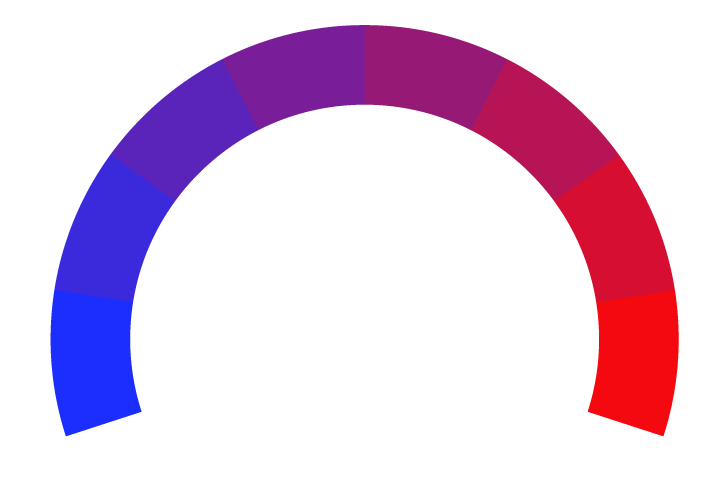
The A.I. bias rating includes policy and politician portrayal leanings based on the author’s tone found in the article using machine learning. Bias scores are on a scale of -100% to 100% with higher negative scores being more liberal and higher positive scores being more conservative, and 0% being neutral.
Sentiments
-1% Negative
- Liberal
- Conservative
| Sentence | Sentiment | Bias |
|---|---|---|
Unlock this feature by upgrading to the Pro plan. | ||
Bias Meter
Extremely
Liberal
Very
Liberal
Moderately
Liberal
Somewhat Liberal
Center
Somewhat Conservative
Moderately
Conservative
Very
Conservative
Extremely
Conservative
-100%
Liberal
100%
Conservative
Contributing sentiments towards policy:
67% : Mansion tax The mansion tax, formally the high value council tax surcharge, is a new annual charge due to apply from 2028 on homes worth £2m or more, on top of existing council tax.62% : Employer national insurance Employer national insurance is a tax businesses pay based on their staff's salaries, on top of the income tax and national insurance paid by employees themselves.
56% : Modelling by the analysts Tax Policy Associates suggests this could bring around 150,000 more homes into scope and raise close to £800m a year.
55% : Council tax and stamp duty Council tax is the annual charge paid by homeowners, still based on property valuations from 1991, while stamp duty is a one-off tax paid when buying a home.
55% : Burnham floated replacing it with a "care levy" to fund a National Care Service back in 2023, and told The Guardian in June that he "wouldn't flinch" from looking at "inheritance tax and care charges" if he became prime minister.
55% : But the Health Foundation has estimated an NHS-style universal care system could cost around £17bn in additional funding by 2035-36, while inheritance tax only raised £8.5bn last year.
54% : He also promised a higher threshold before smaller hospitality and retail firms start paying business rates at all, the first change of its kind since 2017, which would lift many small high street shops out of the tax altogether.
54% : Burnham said at his Makerfield campaign launch in June that he wants to look "in detail" at aligning the rates with income tax, an idea already backed by his ally and former transport secretary Louise Haigh.
53% : But, it would come at a high financial cost and would involve other cuts or tax increases to fund it.
52% : Likelihood: Another quick reform for Burnham that would be popular among Labour voters But the sums it would raise are minimal - a 1p increase in the basic rate of income tax raises would be more than eight times as much.
51% : But the Makerfield MP and former Greater Manchester mayor has given hints about his priorities, telling LBC earlier this month there was "some room" for movement on tax within the manifesto.
51% : Income tax devolution This would mean letting regional mayors set their own income tax rates for their area, rather than everyone in England paying the same national rate.
51% : A more modest version, where areas keep a share of the tax already raised locally without anyone's bill changing, was already being considered by Reeves, and it may be something Burnham looks at taking on. Likelihood: Devolution is already a core part of Burnham's offer, having pledged the biggest "rebalancing of power" away from Whitehall in his first speech as a leadership candidate, and the current government is already making its own steps towards it.
50% : He has also said he will follow current Chancellor Rachel Reeves's fiscal rules, which require day-to-day spending to be covered by tax revenue and public debt to fall as a share of the economy.
50% : That would mean bringing the 18 and 24 per cent rates currently paid on gains into line with income tax bands of 20, 40 or 45 per cent, leaving anyone selling shares, a second home or other assets with a significantly higher bill.
50% : Burnham said last year he had "long been persuaded of the argument" for replacing both with a land value tax, an annual charge based on the value of the land a property sits on, rather than the property itself.
50% : Another option, backed by many Labour MPs, is a proportional property tax, a flat annual levy based on a home's overall value.
49% : Burnham has said he wants his team to "have a proper look" at raising the threshold, which would allow people to keep more of their pay before tax kicks in.
48% : Likelihood: This is the one tax change Burnham has already pledged as policy, rather than merely floated as an idea, so it's about as close to guaranteed as anything on this list.
48% : But such a significant change to income tax specifically would require planning and is unlikely in the short term.
48% : Inheritance tax Inheritance tax is a 40 per cent charge on estates worth more than £325,000 when someone dies.
47% : Likelihood: There have long been calls to reform council tax, but government after government has failed to grasp the nettle due to its complexity.
45% : Burnham has repeatedly said he will stick to Labour's manifesto pledge not to raise income tax, national insurance or VAT.
43% : Personal allowance The personal allowance is the amount you can earn before you start paying any income tax at all, currently frozen at £12,570 until 2031. Because thresholds are not rising with inflation, the freeze causes "fiscal drag", which means that as wages increase, more workers are pulled into paying higher bands of income tax.
38% : Likelihood: Reversing this unpopular tax would help draw a line under Labour's perceived mistakes, and emphasise the party is under new management.
26% : Likelihood: Inheritance tax is one of the UK's most controversial taxes.
*Our bias meter rating uses data science including sentiment analysis, machine learning and our proprietary algorithm for determining biases in news articles. Bias scores are on a scale of -100% to 100% with higher negative scores being more liberal and higher positive scores being more conservative, and 0% being neutral. The rating is an independent analysis and is not affiliated nor sponsored by the news source or any other organization.