








 NPR
NPRBecerra, running for governor of California, faces a health insurance problem
- Bias Rating
-8% Center
- Reliability
85% ReliableGood
- Policy Leaning
-20% Somewhat Left
- Politician Portrayal
-1% Negative
Continue For Free
Create your free account to see the in-depth bias analytics and more.
By creating an account, you agree to our Terms and Privacy Policy, and subscribe to email updates.
Log In
Log in to your account to see the in-depth bias analytics and more.
The A.I. bias rating includes policy and politician portrayal leanings based on the author’s tone found in the article using machine learning. Bias scores are on a scale of -100% to 100% with higher negative scores being more liberal and higher positive scores being more conservative, and 0% being neutral.
Sentiments
N/A
- Liberal
- Conservative
| Sentence | Sentiment | Bias |
|---|---|---|
Unlock this feature by upgrading to the Pro plan. | ||
Bias Meter
Extremely
Liberal
Very
Liberal
Moderately
Liberal
Somewhat Liberal
Center
Somewhat Conservative
Moderately
Conservative
Very
Conservative
Extremely
Conservative
-100%
Liberal
100%
Conservative
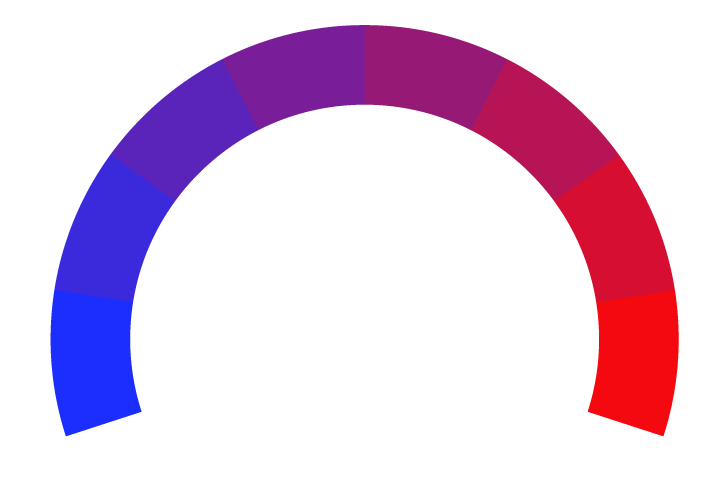
Contributing sentiments towards policy:
70% : Congress also allowed enhanced premium tax credits for Obamacare plans to expire last year, spiking premium payments for middle-income Americans and driving down enrollment by nearly 3 million this year.59% : California achieved one of the most dramatic drops in its uninsured population in the nation, largely credited to the state's robust adoption of the ACA.
59% : A decade later, when lawmakers considered him for the nation's top healthcare job, Becerra said his primary mission would be to carry out President Biden's vision to expand access and cut costs under the Affordable Care Act.
57% : Federal funds account for one-third of the state's budget and more than 60% of spending by Medi-Cal, the state's Medicaid program.
56% : By the time Democrat Xavier Becerra left Washington, D.C., more Americans than ever had health insurance, owing partly to his work over the years to pass, defend, and expand the Affordable Care Act.
56% : As California attorney general, he successfully defended many provisions of the Affordable Care Act, including access to birth control.
56% : Within a few years of the law's passage in 2010, its expansion of Medicaid eligibility and financial aid to lower-income marketplace enrollees helped slash the U.S. uninsured rate by nearly half.
53% : Before the ACA, some 50 million Americans — roughly 1 in 6 — were uninsured.
49% : Federal cuts mean more people uninsured By 2030, the number of uninsured Californians under 65 is expected to nearly double from 2.4 million to 4.6 million as recently enacted state and federal cuts to Medicaid and ACA marketplaces begin to roll back historic gains in health coverage, according to a May analysis by the University of California, Berkeley Labor Center.
45% : Millions more gained coverage during the COVID-19 pandemic after Becerra implemented a freeze on Medicaid disenrollment and administered generous but temporary tax credits that put the cost of Obamacare plans within reach for more people.
45% : Last summer, the GOP-led Congress passed Trump's One Big Beautiful Bill Act, which Republicans argued preserves Medicaid for those who need it most while rooting out fraud and waste.
45% : Altogether, the law is expected to cut Medicaid spending by $900 billion-plus over a decade.
44% : Hilton criticized state leaders for passing a revised provider tax he asserts will send premiums soaring and said he wants to inject more competition into California's health insurance market — but he offered no specific ideas.
40% : Hilton has vowed to use those savings to issue state income tax breaks, calling it an immediate antidote to high costs.
34% : Becerra, a California native born to Mexican immigrants, opposes what's known as the billionaire tax, on November's ballot.
21% : Newsom and Democratic lawmakers agreed to delay some cuts until July 2027, leaving the next governor to weigh further rollbacks against increased taxes.
*Our bias meter rating uses data science including sentiment analysis, machine learning and our proprietary algorithm for determining biases in news articles. Bias scores are on a scale of -100% to 100% with higher negative scores being more liberal and higher positive scores being more conservative, and 0% being neutral. The rating is an independent analysis and is not affiliated nor sponsored by the news source or any other organization.