








 TradingView Article Rating
South Korea Considers Education Tax on Cryptocurrency Exchanges
- Bias Rating
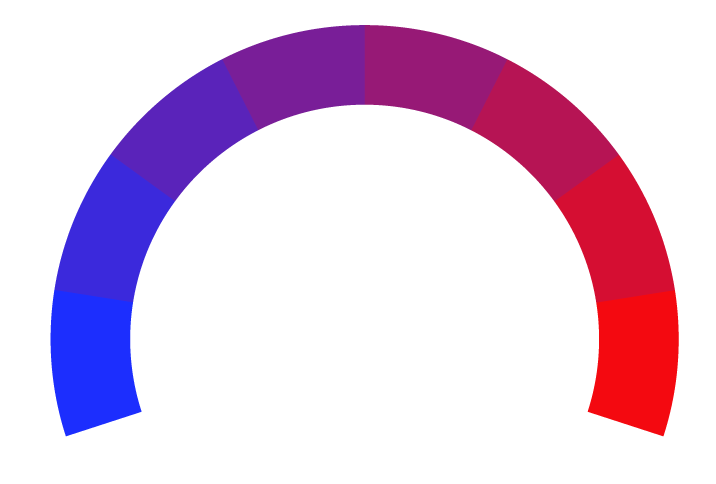
28% Somewhat Right
- Reliability
N/AN/A
- Policy Leaning
28% Somewhat Right
- Politician Portrayal
N/A
Continue For Free
Create your free account to see the in-depth bias analytics and more.
By creating an account, you agree to our Terms and Privacy Policy, and subscribe to email updates.
Log In
Log in to your account to see the in-depth bias analytics and more.
The A.I. bias rating includes policy and politician portrayal leanings based on the author’s tone found in the article using machine learning. Bias scores are on a scale of -100% to 100% with higher negative scores being more liberal and higher positive scores being more conservative, and 0% being neutral.
Sentiments
28% Positive
- Liberal
- Conservative
| Sentence | Sentiment | Bias |
|---|---|---|
Unlock this feature by upgrading to the Pro plan. | ||
Bias Meter
Extremely
Liberal
Very
Liberal
Moderately
Liberal
Somewhat Liberal
Center
Somewhat Conservative
Moderately
Conservative
Very
Conservative
Extremely
Conservative
-100%
Liberal
100%
Conservative
Contributing sentiments towards policy:
54% : Banks, insurers, and securities firms pay the tax based on operating revenue, at 0.5% on the first 1 trillion won and 1% on amounts exceeding 1 trillion won.47% : South Korea is considering imposing an education tax on cryptocurrency exchanges if they are classified as financial institutions under a proposed digital asset bill.
44% : According to Sina Finance, the government recently conveyed this view to exchange heads, and a senior government official said including exchanges in the financial and insurance industry would raise the issue of collecting the tax.
41% : Cryptocurrency trading and brokerage are currently classified as information and communications businesses and are not subject to the tax.
*Our bias meter rating uses data science including sentiment analysis, machine learning and our proprietary algorithm for determining biases in news articles. Bias scores are on a scale of -100% to 100% with higher negative scores being more liberal and higher positive scores being more conservative, and 0% being neutral. The rating is an independent analysis and is not affiliated nor sponsored by the news source or any other organization.