








Resolution Against U.S. Embargo on Cuba Faces Waning Support at UN
- Bias Rating
18% Somewhat Right
- Reliability
25% ReliableLimited
- Policy Leaning
10% Center
- Politician Portrayal
19% Positive
Continue For Free
Create your free account to see the in-depth bias analytics and more.
By creating an account, you agree to our Terms and Privacy Policy, and subscribe to email updates.
Log In
Log in to your account to see the in-depth bias analytics and more.
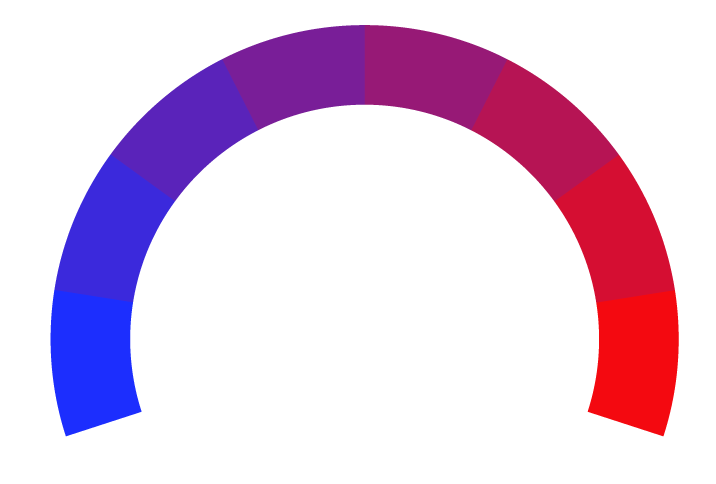
The A.I. bias rating includes policy and politician portrayal leanings based on the author’s tone found in the article using machine learning. Bias scores are on a scale of -100% to 100% with higher negative scores being more liberal and higher positive scores being more conservative, and 0% being neutral.
Sentiments
29% Positive
- Liberal
- Conservative
| Sentence | Sentiment | Bias |
|---|---|---|
Unlock this feature by upgrading to the Pro plan. | ||
Bias Meter
Extremely
Liberal
Very
Liberal
Moderately
Liberal
Somewhat Liberal
Center
Somewhat Conservative
Moderately
Conservative
Very
Conservative
Extremely
Conservative
-100%
Liberal
100%
Conservative
Contributing sentiments towards policy:
53% : This past Wednesday, the United Nations General Assembly approved the annual resolution demanding the end of the United States' embargo on Cuba with 130 votes in favor, 17 against, and 25 abstentions.48% : The 17 nations that voted against the resolution included the United States, Israel, Argentina, Austria, Barbados, Bosnia-Herzegovina, Colombia, Costa Rica, Czech Republic, Ecuador, Guatemala, Hungary, Lithuania, Morocco, North Macedonia, Paraguay, Slovenia, Trinidad and Tobago, and Ukraine.
47% : Understanding the UN Vote on the U.S. Embargo Against Cuba Why did the resolution against the U.S. embargo on Cuba receive fewer votes this year?
44% : At precisely 11:19 a.m., the official voting scoreboard at the UN headquarters in New York displayed an unprecedented decline: in 2025, the resolution had secured 165 favorable votes with only seven opposed; by 2026, it had lost an additional 35 supporters while the opposing votes more than doubled.
*Our bias meter rating uses data science including sentiment analysis, machine learning and our proprietary algorithm for determining biases in news articles. Bias scores are on a scale of -100% to 100% with higher negative scores being more liberal and higher positive scores being more conservative, and 0% being neutral. The rating is an independent analysis and is not affiliated nor sponsored by the news source or any other organization.