








 Newsweek
U.S. 'failed' in Afghanistan, Iran Foreign Minister says amid Taliban, Afghan peace talks
- Bias Rating
- Reliability
N/AN/A
- Policy Leaning
94% Very Right
- Politician Portrayal
2% Positive
Continue For Free
Create your free account to see the in-depth bias analytics and more.
By creating an account, you agree to our Terms and Privacy Policy, and subscribe to email updates.
Log In
Log in to your account to see the in-depth bias analytics and more.
Bias Score Analysis
The A.I. bias rating includes policy and politician portrayal leanings based on the author’s tone found in the article using machine learning. Bias scores are on a scale of -100% to 100% with higher negative scores being more liberal and higher positive scores being more conservative, and 0% being neutral.
Sentiments
N/A
- Conservative
| Sentence | Sentiment | Bias |
|---|---|---|
Unlock this feature by upgrading to the Pro plan. | ||
Reliability Score Analysis
Policy Leaning Analysis
Politician Portrayal Analysis
Bias Meter
Extremely
Liberal
Very
Liberal
Moderately
Liberal
Somewhat Liberal
Center
Somewhat Conservative
Moderately
Conservative
Very
Conservative
Extremely
Conservative
-100%
Liberal
100%
Conservative
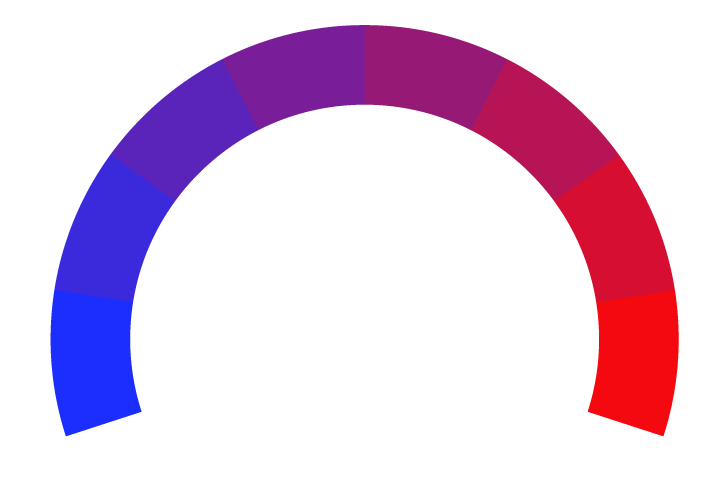
Contributing sentiments towards policy:
48% : Iran and Afghanistan share deep cultural ties and a 945-kilometer-long (587 miles) border.47% : Iran on Wednesday hosted the first significant talks in months between the Taliban and Afghan government representatives -- a previously unannounced meeting that comes as the U.S. completes its withdrawal from Afghanistan and districts increasingly fall to the Taliban across the country.
47% : Iran, the Shiite powerhouse of the Middle East, has occasionally in the past hosted the Sunni militant Taliban and Afghan government officials in Tehran for peace talks.
44% : The surge in fighting -- and the sudden news of peace talks in Tehran -- come at a critical time for the war-battered country.
43% : Amid the specter of another civil war, fears have grown in Iran over a new wave of Afghans seeking refuge in the country, which already is struggling to stem worsening poverty under tough U.S. sanctions.
42% : In playing host, Iran seeks counterbalance against regional rivals like Saudi Arabia that typically wield greater influence over Sunni groups in the Middle East.
41% : The Taliban's recent territorial gains also have fueled national security concerns in Iran.
40% : Tehran has historically viewed U.S. military presence in neighboring countries as a threat and pushed for American troop withdrawals from the region.
39% : After the "failure of the U.S. in Afghanistan," Zarif said, Iran stands "ready to assist the dialogue" and to "resolve the current conflicts in the country."
39% : Even as officials faced each other across the vast tables in Tehran and Iran's top diplomat pledged to end the crisis, fighting surged in Afghanistan's western Badghis province.
34% : Afghanistan's uncertain path toward peace bears profound consequences for its western neighbor Iran, which the U.N. estimates hosts some 2 million undocumented Afghans.
*Our bias meter rating uses data science including sentiment analysis, machine learning and our proprietary algorithm for determining biases in news articles. Bias scores are on a scale of -100% to 100% with higher negative scores being more liberal and higher positive scores being more conservative, and 0% being neutral. The rating is an independent analysis and is not affiliated nor sponsored by the news source or any other organization.