




10% Center
Bias Meter
Extremely
Liberal
Very
Liberal
Somewhat Liberal
Center
Somewhat Conservative
Very
Conservative
Extremely
Conservative
-100%
Liberal
100%
Conservative

Biasly determines media bias ratings through a dual-layered approach combining artificial intelligence and analyst review. The platform’s proprietary bias detection engine, Bias Meter, evaluates sentiment, policy position alignment, and language framing across thousands of data points in news articles. Analysts then verify and interpret the AI’s findings, providing additional context where needed. Learn more about ratings
- Profile
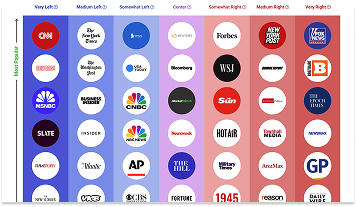
SkySports on the media bias chart

- Bias Rating
10% Center
- Reliability43% Reliable AveragePolicy Leanings
0% Center
Extremely
LiberalVery
LiberalModerately
LiberalSomewhat Liberal
Center
Somewhat Conservative
Moderately
ConservativeVery
ConservativeExtremely
Conservative-100%
Liberal100%
Conservative
Average Reliability
*Our bias meter rating uses data science including sentiment analysis, machine learning and our proprietary algorithm for determining biases in news articles. Bias scores are on a scale of -100% to 100% with higher negative scores being more liberal and higher positive scores being more conservative and 0% being neutral. The rating is an independent analysis and is not affiliated nor sponsored by the news source or any other organization.
Politician Portrayal7% positive
Continue For Free
Create your free account to see the in-depth bias analytics and more.
By creating an account, you agree to our Terms and Privacy Policy, and subscribe to email updates.
Log In
Log in to your account to see the in-depth bias analytics and more.
Analysis of SkySports Articles
Analysis of Bias in SkySports Online Articles
To evaluate SkySports’s bias, we can analyze select SkySports articles through several of Biasly’s bias rating criteria: Tone, Tendency, Author, Diction, and Expediency Bias.
- Tone: The overall attitude conveyed by the article
- Diction: Specific word choices made by the writer
- Author: The background and social presence of the journalist
- Tendency: Patterns of bias in the writer’s broader body of work
- Expediency Bias: Quick visual or textual indicators like headlines and photos that imply bias
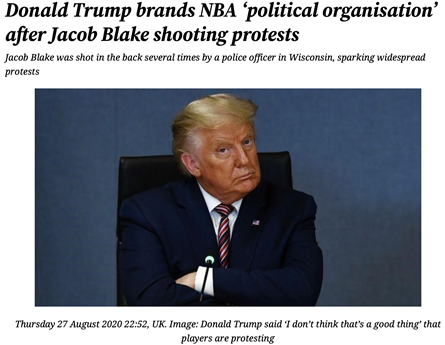
This article remains neutral in tone and language; the issue is the headline and imagery. The headline refers to Trump ‘branding’ the NBA as a ‘Political Organization.’ The tone and word choice lead the reader to believe that the label is unjustified. Moreover, the picture shows Trump in a petulant pose, leading to the implication that Trump’s comments should not be taken seriously.
“While President Trump admitted he did not know much about the shooting of Mr Blake, he spoke about the NBA teams’ actions.”
“They’ve become like a political organisation and that’s not a good thing,” he said on Thursday.
“I don’t think that’s a good thing for sports or for the country.”
This quote, selected by the author, helps perpetuate the perception created by the author: that Trump shouldn’t be taken seriously. Additionally, the image does not show Trump’s full quote, which could lead readers to miss important context. This framing reflects presentation choices rather than explicit editorial commentary. The choice of headline, imagery, and framing can demonstrate bias in coverage. Taken together, these instances could demonstrate an anti-Trump bias that may affect the audience’s perception.
An article titled “Senior MP calls for ‘proper’ investigation into Qatar World Cup bid claims” discusses allegations that Qatar sabotaged its competitors, the United States and Australia, to host the World Cup. Author Alan McGuinness maintains a neutral tone and unemotional language in the article. The report sticks to facts and avoids charged word choices. Additionally, McGuinness presents the opinion of the Senior MP, Damian Collins, as well as statements from Qatar condemning the allegations.
“Qatar said it “rejected” all of the allegations, while the international governing body FIFA said there had already been an investigation into Qatar’s bid and no wrongdoing had been found.”
There are no negative tendencies. The author mostly doesn’t let his opinion show through tone or diction. He lets the readers come to their own conclusion about the Qatar World Cup. His writing isn’t meant to persuade readers to a specific political or sports opinion. The article is precise and straight to the point. Readers can create their own opinions without the reporter’s influence.
Author Alan McGuinness remains mostly neutral on social media, reposting his own articles or those of his co-workers, as well as moments from his personal life. His social media posts don’t reveal any personal bias, and the moments from his personal life focus on his family.
Jeremy Clarkson has warned that changes to inheritance tax will spell “the end” for farmers, as he joined thousands of protesters in central London.
Follow live updates here: https://t.co/HUTwCS2AdU
— Alan McGuinness (@Alan_McGuinness) November 19, 2024
This article is a perfect example of SkySports’s intersection of sports and politics. Sports coverage can use emotionally charged language, so it is important for readers to distinguish between neutral and biased reporting.
Analysis of SkySports Opinion Articles
Factual and opinion pieces are very different. Factual pieces are intended to be neutral and provide facts, and primary sources, such as quotes and interviews. The goal is for readers to form their own opinions using the information provided. Opinion pieces are explicitly designed to allow columnists to express their own opinions on specific topics. This provides the reader with a personal touch and shows how people feel about particular events. SkySports is no different from this, providing their own opinions about sports.
SkySports has no political analysis in its opinion section. As a major sports publication, SkySports has news and opinion pieces that mostly focus on sports like football. If SkySports covers any politics at all, it is only indirectly and relates to the sports world.
Analysis of Reliability in SkySports’s Online News Articles
Not everyone is happy with SkySports’s limited intersection of politics and sports. If anything, they have faced criticism for avoiding politically charged discussions. In this article, the presenter apologized for appearing to stifle discussion of racism in the Premier League.
“I’m so sorry to have spoiled what was such an important discussion on racism tonight. I had to intervene when Gary (Lineker) suggested the two main political parties were to blame – I didn’t make that clear enough. For that I apologise unreservedly,” he wrote on Twitter.
“I would never purposefully shut down a discussion on racism. I’ve worked for Sky for over 20 years and know they share my view that racism of any kind should not be tolerated. That is not a debate. And that’s why I’m so very disappointed and sorry tonight.”
Quality of Sources and Facts Used
A fundamental building block of media literacy is the ability to evaluate the quality of sources and the accuracy of facts in an article. In some instances, SkySports does not cite sources. In other instances, SkySports consistently uses reliable sources, although it is not quite up to the same standards as a regular news outlet. Take a look at this article titled, “Donald Trump brands NBA ‘political organisation’ after Jacob Blake shooting protests”. The number of sources isn’t extensive, but there are only 7 quotes: 4 short, 2 medium, and 1 long. We note the length of quotes because longer quotes tend to be more reliable.
The five sources in the articles include:
- President Donald Trump (R)
- Marc Short, Chief of Staff to Vice President Mike Pence (R)
- Jared Kushner, Senior White House Advisor (R)
- A tweet from LeBron James
- President Joe Biden (L)
Though the number and credibility of sources are higher than the average SkySports articles, and from authority figures, there aren’t any reliable outside sources. Additionally, the listed sources are expressions of opinion. There are no facts or data, no statements from neutral agencies, and the majority of the sources are biased toward a specific political side. The more sources an author uses and properly cites, the more likely they are to be reliable.
Another article titled “Why are there tensions between Bangladesh and India ahead of T20 World Cup – and how could England be impacted?” is an example of SkySports having limited sources. The piece focuses on Bangladesh’s reluctance to travel to India due to political tensions and player safety concerns, but it largely relies on statements from the Bangladesh Cricket Board (BCB) and the International Cricket Council (ICC) and includes no independent reporting, security assessments, or meaningful responses from Indian officials.
The bigger gap is context. Bangladesh–India tensions are not driven by a single incident; reducing the dispute to a single event leaves readers without the “why” behind the safety fears. In recent years, the relationship has been strained by broader political instability in Bangladesh and heightened diplomatic sensitivity around minority-violence concerns, which have repeatedly drawn public reactions from India. When an article treats these dynamics as settled “facts” without showing its sources, it becomes difficult for readers to distinguish verified developments from interpretation.
Adding perspectives from government sources, regional analysts, and reputable third-party reporting would make the article more balanced, and a deeper explanation of the underlying political drivers would help readers understand the risk context and form their own conclusions.
Selection and Omission Bias
Selection and omission bias do not appear to be a frequent problem in SkySports’s articles. They do a fair job of making sure their stories are balanced, given they rarely have any political content to cover. For example, “Fear of racial and physical abuse Makes 41% of Ethically Diverse Fans Hesitant to Go to Sporting Events”, is quite neutral in tone and sourcing. The article only mentions sources directly connected to the survey and avoids any particular judgment on its content.
While SkySports does not frequently encounter this issue, published pieces may fall victim to it. Take the article, Eight years on, Colin Kaepernick waits for NFL call: ‘I could help win a Championship,” in which SkySports highlights the perspective of Kaepernick and other athletes with similar liberal positions regarding inequality while omitting contradictory opinions from those who might feel differently.
“At the time, two days after pledging to donate $1m to community organisations, Kaepernick said: “The message is that we have a lot of issues in this country that we need to deal with… We have a lot of people that are oppressed. We have a lot of people that aren’t treated equally, that aren’t given equal opportunities”.
“Taking a knee also began happening in the NWSL, with World-Cup winning footballer Megan Rapinoe kneeling during a national anthem in September 2016 and saying “we need to have a more thoughtful, two-sided conversation about racial issues in this country”.
The author selects quotes from Kaepernick and other liberal viewpoints on inequality and injustice, while omitting those from others who might disagree. Selection and omission biases can present a one-sided story of complex issues. This can undermine the article’s important impact and present readers with biased or incomplete information.
SkySports Bias Overview
We cannot ignore the possible crossovers between politics and sports. According to YouGov’s analytics, SkySports’s massive audience makes it one of the most famous networks in the world, with a 96% fame rating. In 2024, statistics showed that television is one of the most popular ways for UK citizens to get their news, with roughly 65% of citizens being 16 or older citing television as their preferred source.
With such wide-ranging influence and high popularity, SkySports’s possible bias raises important questions. This article will examine how SkySports demonstrates bias in its reporting and how reliable its content is for readers.
Is SkySports Biased?
Based on Biasly’s evaluations, SkySports is rated as Center.
By examining content patterns and the broader context of media influence, we aim to offer a balanced perspective on SkySports’s political bias—and contribute to the ongoing discussion about bias in the news.
How Does Biasly Rate News Sources?
Biasly uses proprietary algorithms and a team of analysts to provide comprehensive bias evaluations across thousands of news outlets. Over 200,000 articles from more than 3,200 sources have been analyzed to identify the most accurate and unbiased stories.
Biasly assigns each outlet three key scores:
- Reliability Score – Reflects factual accuracy
- AI Bias Score – Generated via natural language processing
- Analyst Bias Score – Assessed by human political analysts
These scores are based on seven core metrics: Tone, Tendency, Diction, Author Check, Selection/Omission, Expediency Bias, and Accuracy. These elements help analysts and algorithms evaluate the political attitude conveyed by each article.
Biasly’s Bias Meter ranges from -100% (most left) to +100% (most right), with 0% indicating neutrality. The system evaluates individual articles based on political terms, policies, figures, and sentiment to calculate precise bias ratings.
Is SkySports Politically Biased?
SkySports earns a Center rating for its AI Bias Score and a Center for its Analyst Bias Score. The Analyst Bias Score is generated by reviewers from liberal, moderate, and conservative backgrounds.
How to Evaluate Bias
Although Biasly rates SkySports as Center, it’s important to remember that bias can vary from article to article. SkySports also covers a conservative-leaning state with objectivity on many issues, from state legislation to social developments. This complexity underscores the importance of examining each article individually. So, let’s learn how to evaluate media bias.
Recognizing media bias requires awareness and critical thinking. Often, readers trust news sources that affirm their existing beliefs—a psychological tendency known as confirmation bias. This makes it harder to identify slanted narratives or one-sided reporting.
To combat this, it’s essential to challenge your assumptions by consulting multiple viewpoints and verifying news through third-party analysis. Tools like Biasly’s media bias ratings allow readers to compare the same news story across the political spectrum.
Ultimately, bias isn’t always a matter of what is said—it’s also about what is left out, how topics are framed, and which stories are chosen for coverage. Learning to recognize these patterns can help readers make more informed decisions and develop greater media literacy.
To start comparing news outlets and gain a better understanding of bias, sign up for Biasly’s Media Bias & News Analytics Platform to see how stories vary between sources.
SkySports Reliability Overview
Is SkySports Reliable?
SkySports has an average reliability. Articles tend to have good quotes and good quote lengths, but lack opposing sources and a deep analysis. SkySports is a highly popular news source with a strong following, especially among UK citizens. According to SimilarWeb, as of December 2025, 74.5 percent of SkySports’s viewers are male, and 25.5 percent are female. With such strong, consistent viewership, SkySports’s reliability should be examined to assess the quality of its coverage.
How to Evaluate Reliability?
Reliability refers to how trustworthy or accurate a news source is. If we can’t trust what we read, then continuing to consume content from that outlet serves little purpose. So how do we evaluate a news outlet’s reliability?
There are several potential measures of reliability to look out for when trying to determine whether a media source is reliable or not. Red flags for an unreliable article can include the presence of wild, unsubstantiated claims, facts dependent on other unreliable sources, heavy use of opinionated language, and more. In contrast, hallmarks of a reliable source include:
- Absence of subjective language
- Citing credible sources (e.g., .gov, .edu, academic references)
- Verifiable facts and statistics from multiple outlets
- Use of primary sources, like interviews or transcripts
- Consistency with coverage across other platforms
Biasly’s reliability scores incorporate these elements in evaluating media outlets.
So How Does SkySports Fare in Its Reliability?
The political reliability index developed by Biasly assesses both accuracy and trustworthiness. SkySports currently holds Average Reliability Score, which is calculated as a weighted average of:
- Fact Analysis Score – Evaluates the accuracy of claims, facts, and evidence.
- Source Analysis Score – Assesses the number, diversity, and credibility of sources and quotes used.
SkySports’s Source Analysis Score is Average at 43% Reliable. This suggests moderate trustworthiness in its sourcing practices. The score is AI-generated and considers quote length, frequency, diversity, and quality.
The Fact Analysis Score of SkySports is Pending at N/A. This further shows how well SkySports supports its claims, addresses selection and omission bias, and presents verifiable evidence.
While SkySports leans toward factual reporting, occasional lapses—such as unbalanced viewpoints or incomplete data—can affect its reliability rating. These nuances emphasize the importance of analyzing individual articles.
SkySports’s Accuracy and Reliability
According to Biasly’s analysis, SkySports maintains Average Reliability Score, but individual articles may vary significantly. Let’s dive into the details.
Political orientation plays a crucial role in how audiences perceive reliability. SkySports has been accused of favoring a conservative narrative, potentially at the expense of factual reporting. To validate such claims, it’s essential to analyze whether the publication backs its assertions with sufficient evidence and diverse viewpoints.
Two common types of bias that affect factuality include:
- Selection Bias – Highlighting or omitting stories to fit a particular narrative.
- Omission Bias – Leaving out differing perspectives or relevant details to skew perception.
Biasly’s accuracy ratings range from 1% (least accurate) to 100% (most accurate). Factors include the presence of supporting evidence, internal and external reliable sources, and balanced viewpoints.
For instance, Biasly gave The Print a Center bias and a low reliability rating. One The Print article titled, “EU Commission Prez announces conclusion of much-anticipated free trade agreement with India,” showed a below-average reliability rating for its limited opposing viewpoints. Opposing viewpoints are important because they give readers the full story.
So, is SkySports Reliable?
Overall, SkySports can be considered to be an outlet that is moderately reliable. It demonstrates a consistent goal of journalistic integrity and typically supports claims with sources and quotes. Occasional omissions and framing bias do appear, particularly on culturally sensitive or partisan issues.
As media literacy improves, readers can more easily detect issues with selection bias, omission bias, and factuality. To strengthen your ability to assess reliability across the political spectrum, use Biasly’s News Bias Checker to compare how multiple outlets report the same story.
This empowers you to consume more accurate, balanced, and dependable news.
SkySports Editorial Patterns
SkySports’s coverage of political topics often reflects a Center bias, with consistent patterns in phrasing, source selection, and thematic focus that are Neutral. SkySports is known for its sports coverage, but it also provides some political coverage. The issues SkySports chooses to cover can indicate a political slant. This analysis will examine how SkySports handles liberal and conservative issues and the stories it chooses to report.
Coverage of Liberal vs. Conservative Topics
SkySports mostly remains neutral on political topics that intersect with sports. Issues like abortion, the European Union, and government regulation are covered neutrally. Topics like welfare are covered more conservatively by the publication. SkySports will cover topics like these as they relate to the sports world. For example, if the UK government were to add a sales tax to stadium tickets and concessions, SkySports would cover how that change would affect sports events, the consumers, and the travel associated with attending sports games.
Policy and Issue Framing
When covering topics such as Black Lives Matter, SkySports tends to use supportive, affirmative language, calling for change and inclusivity in sports. SkySports will report on the opinions of players and league officials, and host open dialogue on their commentary shows. Some articles will be one-sided and present a single perspective, while others will include both perspectives and encourage readers to form their own opinions.
Coverage and Relevance
SkySports’s reporting focuses on sports and issues surrounding the operation, logistics, and politics surrounding the activity. In the second half of 2024, people watched nearly 950 million hours of SkySports’s on their digital platform. With such a large audience, SkySports is a compelling case study of bias in news organizations.
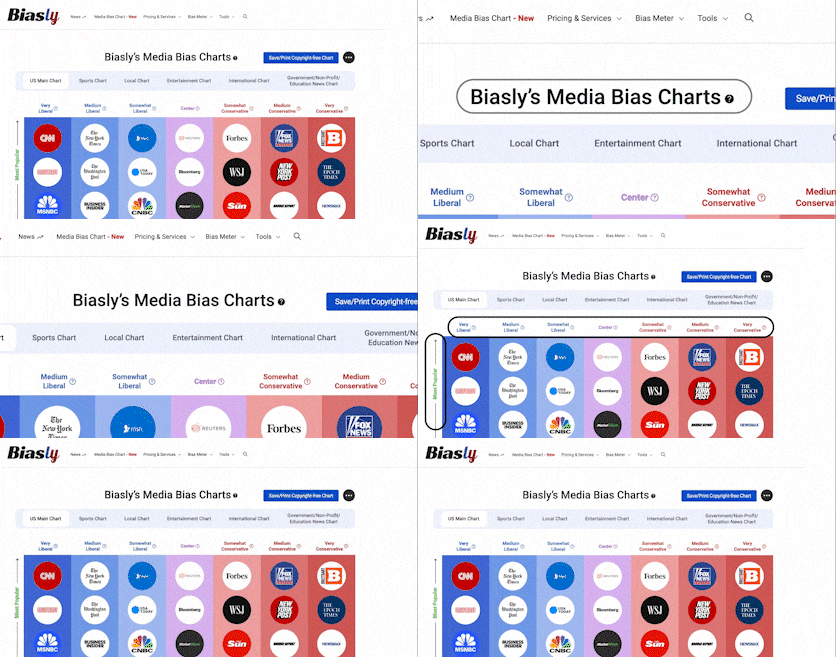
Readers who want to know more about how SkySports compares to other news sources can check out Biasly’s Media Bias Chart.
Funding and Ownership
Who Owns SkySports?

Brian Roberts, CEO, Comcast – Source: Wikipedia
SkySports is owned by a British media conglomerate, Sky Group, a Comcast/NBC Universal division. Comcast acquired Sky Group in 2018 from Rupert Murdoch’s 21st Century Fox. The current CEO of SkySports is Dana Strong. Since Strong joined, SkySports has launched two new world-leading streaming platforms: Sky Glass and Sky Stream. SkySports has also secured the broadcasting rights to a record number of Premier League fixtures, a landmark in sports rights deals.
Who Funds SkySports?
SkySports is funded by its parent company, Comcast. When Comcast acquired SkySports in 2018, it was for $39 billion. SkySports operates as a premium subscription-based service, generating revenue through viewer subscriptions, including Sky Go and Now TV. Another source of revenue is advertising and investing in sports rights, which are lucrative deals where broadcasters and streaming services pay leagues/organizations for exclusive rights to air games.
Additional Insights
News Source Comparison
When it comes to news source comparison, SkySports is often evaluated alongside other regional and national outlets that lean right or center-right. Sources like AP News, The Sun, or The Wall Street Journal often present similar tones and editorial philosophies. While SkySports maintains a Center media bias, it differs because of its coverage of both sports and politics, highlighting how the two can intersect.
This puts it in contrast with more biased media outlets that consistently only cover politics. Readers seeking balanced political coverage may compare SkySports’s framing of issues with outlets rated as Center or Lean Right on our Media Bias Chart, or explore other regional papers on our Similar Sources page.
Notable Contributors and Authors
SkySports employs a wide range of reporters who are widely educated in the world of sports. One notable example is Jacquie Beltrao. A former Olympic gymnast and television presenter, Beltrao has over 30 years of experience and has interviewed many sports legends, including Serena and Venus Williams. Another notable contributor is Rob Harris, who has broken news with investigations into Russian state-sponsored doping, football corruption, and human rights issues in sports.
Related Tools and Resource Pages
To better understand how SkySports fits into the broader media landscape, we recommend exploring these helpful resources:
- Media Bias Chart: See where SkySports ranks among hundreds of media outlets across the political spectrum.
- Political Bias Chart: Visualize political slants of news sources across various policy areas.
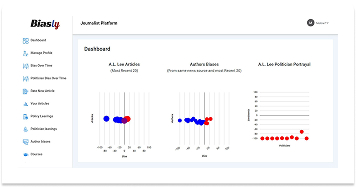
- Journalist Bias Analytics Platform: Explore how individual journalists contribute to bias within their publications.
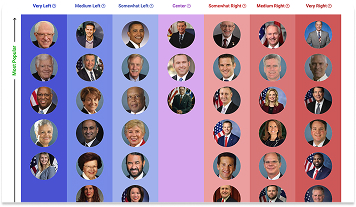
- Politician Bias Analytics Platform: Compare how politicians are framed differently by SkySports and other outlets.
- Media Literacy Education Platform: Learn how to critically assess media sources, bias techniques, and news reliability.
Frequently Asked Questions
SkySports is rated as Center based on Biasly’s media bias algorithm, which assesses sentiment, article framing, and policy favorability.
Yes. In an interview with Rangers Striker Alfredo Morelos, SkySports mistranslated Morelos’ words and made it appear that Morelos faced racism from Celtic supporters, which was incorrect. Details about the incident can be found here.
Biasly uses a combination of AI sentiment analysis and human analyst review to assess tone, fact accuracy, source quality, and media bias indicators. Learn more on our Bias Meter page.
Generally, yes, though partisan framing and selective reporting can affect perceived reliability.
Military Spending
| Date | Sentiment | Associated Article | Snippet |
|---|---|---|---|
| 08/25/2019 | 75% For | Trump Family Detentions Flores Agreement (link) | So, of course, the Trump administration is doing the opposite in a baldfaced |