




-34% Somewhat Left
Bias Meter
Extremely
Liberal
Very
Liberal
Somewhat Liberal
Center
Somewhat Conservative
Very
Conservative
Extremely
Conservative
-100%
Liberal
100%
Conservative
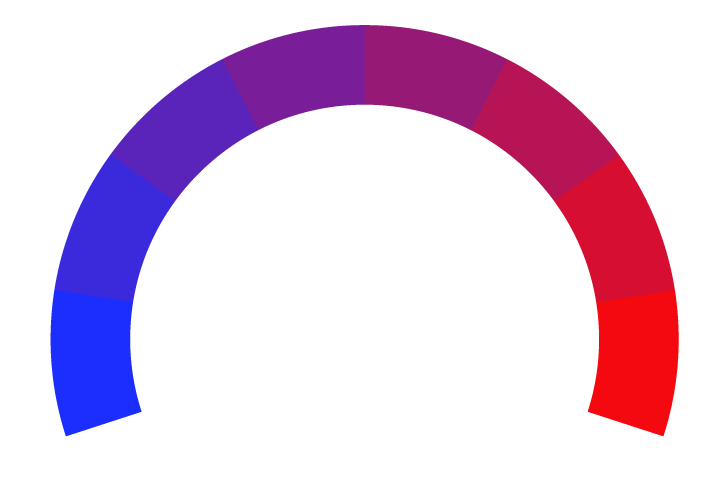
Biasly determines media bias ratings through a dual-layered approach combining artificial intelligence and analyst review. The platform’s proprietary bias detection engine, Bias Meter, evaluates sentiment, policy position alignment, and language framing across thousands of data points in news articles. Analysts then verify and interpret the AI’s findings, providing additional context where needed. Learn more about ratings
- Profile
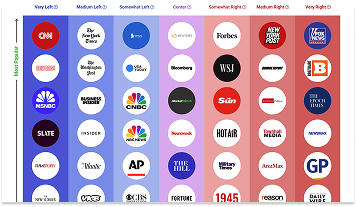
The Independent on the media bias chart
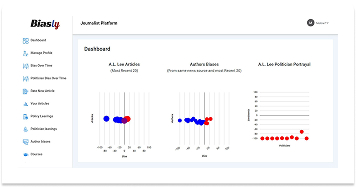
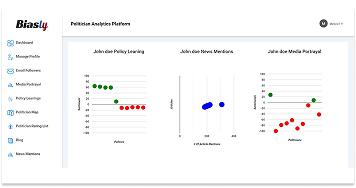
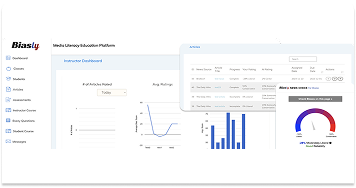
The Independent has a Bias Score of -34% Somewhat Left which is based on a variety of factors including its policy and politician leanings, article ratings, and the use of biased language. Its Reliability is rated as Good, and additional analytical insights are available in the other tabs.

- Bias Rating
-34% Somewhat Left
- Reliability76% Reliable GoodPolicy Leanings
-20% Somewhat Left
Extremely
LiberalVery
LiberalModerately
LiberalSomewhat Liberal
Center
Somewhat Conservative
Moderately
ConservativeVery
ConservativeExtremely
Conservative-100%
Liberal100%
Conservative
Average Reliability
*Our bias meter rating uses data science including sentiment analysis, machine learning and our proprietary algorithm for determining biases in news articles. Bias scores are on a scale of -100% to 100% with higher negative scores being more liberal and higher positive scores being more conservative and 0% being neutral. The rating is an independent analysis and is not affiliated nor sponsored by the news source or any other organization.
Politician Portrayal56% negative
Continue For Free
Create your free account to see the in-depth bias analytics and more.
By creating an account, you agree to our Terms and Privacy Policy, and subscribe to email updates.
Log In
Log in to your account to see the in-depth bias analytics and more.
Policy Leanings Analysis
Policy | Bias score |
|---|
Analysis of The Independent Articles
Analysis of Bias in The Independent Online Articles
When determining bias, some of the most common metrics used include Tone, Tendency, Author, Diction, and Expediency Bias, which are the primary metrics we’ll focus on below.
- Tone: This represents the attitude of the writing, formed distinctively but related to the author’s word choices or diction.
- Diction: The specific words chosen by the writer.
- Author: A metric related to the article’s author, taking into account their history of stance on issues based on past articles and social media posts. Tendency measures how consistently an author exhibits bias in their work, including factors such as tone and perspective.
- Expediency Bias: It refers to the immediate impression created by elements such as the article’s headline, images, or summary, which may indicate whether they favor a particular viewpoint.
Let’s examine this article, “What does fall of Assad in Syria mean for the Middle East and the West?” Biasly gave this article a bias rating of “Center,” and the overall policy sentiment was “Conservative.”
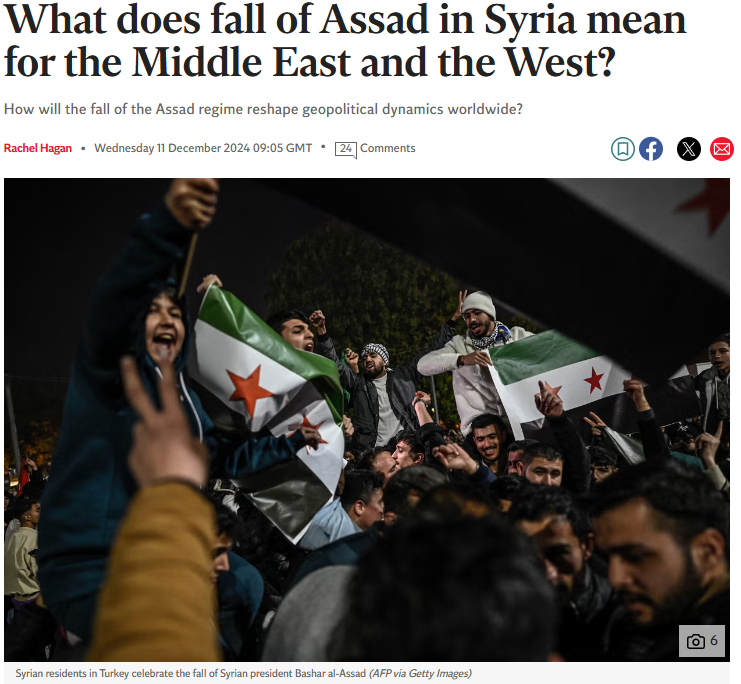
When looking at the expediency bias, the headline image that was used creates a jubilant atmosphere of the Syrian people raising the opposition flag after years of civil war and oppression. The viewpoint conveyed through the photo illustrates that they view Assad’s overthrow as a good thing.
However, the tone presented an analytical outlook on the topic. On the other hand, while it took a positive tone toward Assad’s departure, it also explained the possible challenges that could emerge with a new government. This is in line with more analytical articles in outlets like Foreign Policy and Foreign Affairs, which present nuanced analyses of issues.
When examining the diction, the words used to describe Biden were slightly more positive than those used to describe Trump. For example, in response to this situation, they mentioned that Biden viewed it as a “historic opportunity” for the Syrian people. When analyzing Trump’s reaction, the article said:
“President-elect Donald Trump reiterated his longstanding opposition to US involvement in Syria. On social media, Trump dismissed Syria as “not our fight” and warned against further engagement.”
Using words like “dismissed” casts Trump’s stance in a slightly negative light, even though his position is shared by many on the American right and left.
When examining the author, Rachel Hagan is a freelance reporter who covers foreign affairs. Given her subject background, it would make sense that she authored this article. Based on her X account, she is generally supportive of pro-democracy movements and criticizes the killing of civilians. For example, even retweeted tweets that celebrated Assad’s departure, she also retweeted a post that criticized Israel’s war in Lebanon and was supportive of the women’s protests in Türkiye opposing female violence. So the bias that would have influenced the article was the reporter’s solidarity with pro-democracy movements in general, rather than the selective support for human rights common among Western politicians.
Let’s look at another article, titled “Kimberly Guilfoyle, Trump’s ambassador to Greece, once called Greeks ‘freeloaders.” The Biasly rating gave this article a “Somewhat Liberal” bias, and its policy leaning was “Somewhat Liberal.”
When looking at the expediency bias, the image used was when Guilfoyle spoke at the RNC convention. Based on this image, it creates the perception that Guilfoyle is a tough person and someone suitable to appear on a television show, but it does not portray her as an individual capable of dealing with serious issues in international diplomacy.
The article’s tone generally reflects a negative attitude toward her nomination. It includes her prior remarks calling the Greeks freeloaders, in reference to their accepting a bailout from the European Union. Moreover, the article portrayed Guilfoyle’s nomination as the result of having a close relationship with Donald Trump, especially his son, Donald Trump Jr.
When examining the diction, the article references the words Guilfoyle used towards the Greek people, such as calling them ‘lazy’ and ‘freeloaders.’ The most emotive phrase Guilfoyle used to describe the Greeks was comparing them to untrained pets, by saying,
“nobody is punishing them” like when a “dog pees on the rug.”
When examining the author’s bias, Justin Baragona is a Senior Reporter for The Independent. Based on his X account, it is unknown what political positions he supports. On the one hand, he reposted a tweet that showed concern about the types of ads Donald Trump was propagating, such as there being a civil war in 2025.
Let’s check out what kind of ads are currently running on Trump’s Truth Social feed. pic.twitter.com/9d8nte39vK
— Justin Baragona (@justinbaragona) November 11, 2024
He also retweeted a tweet by Kaitlin Collins, a CNN reporter, which said that Elise Stefanik called for the U.S. to leave the UN because of antisemitism.
News — Trump has offered Elise Stefanik the job as U.S. ambassador to the United Nations, a source familiar tells CNN.
— Kaitlan Collins (@kaitlancollins) November 11, 2024
However, it is unknown whether Baragona reposted it because he agreed with it or merely to inform people of what Stefanik said. However, he was a former columnist for Zeteo, an independent news agency established by journalist Mehdi Hasan that has a reputation for critiquing American foreign policy and the right. In his columns for Zeteo, Baragona critiques not only the right wing but also the mainstream media. Thus, his article on The Independent could have been influenced by his general worldview of critiquing a politician, regardless of their political affiliation, through a critical lens. His policy views appear more left-leaning based on these tweets.
Analysis of The Independent Opinion Articles
Before we answer this question, we need to draw the distinction between opinion and reporting. While reporting is intended to be neutral, giving readers the facts and quotes from primary sources so they can form their own opinions, opinions are an outlet for columnists to express their personal views on the issues of the day. While we saw elements of factual reporting in the analysis above, The Independent opinion pieces don’t seek objectivity; they prioritize presenting an opinion.
One article, published in January 2013, criticized the media coverage of Africa. Titled, “When disaster strikes in Africa, a nation is left to mourn alone,” Ian Burrell wrote that the coverage of Africa should not be negative and insisted that the lives of Africans are like those of the British. While this article is not explicitly biased, it implicitly reflects a common left-leaning position that seeks positive coverage of the Global South and critiques Western bias.
However, another opinion article, published on November 9, 2024, titled “Britain needs to understand what an incomparable asset it has in the BBC World Service, argues its outgoing head,” portrays the positive aspect of the BBC. In this, the article touts the benefits of the BBC World Service and stresses that the UK media is facing immense competition from American, Chinese, Russian, and even Turkish media. This opinion article illustrates a more right-wing perspective.
These articles, in addition to those above, are only a small representation of all of The Independent’s content, but they indicate that the outlet is often characterized by a great deal of opinion, further underscoring the importance of knowing how to distinguish subjective writing from genuine reporting.
Analysis of Reliability in The Independent’s Online News Articles
The Independent’s online news articles, while typically adopting a more casual and interactive approach than traditional news outlets, aim to provide standard, objective reporting. While they may occasionally lean towards a particular ideology, it’s essential to distinguish their regular online news content from their opinion pieces. It’s when these lines blur that the credibility of information can come into question.
This underscores the ongoing challenge in digital journalism to maintain credibility while engaging diverse reader bases with differing political views. Typical online news articles are devoid of opinions and leanings from the author, but occasionally, depending on the news source, they may exist.
Quality of Sources and Facts Used
The Independent mostly publishes articles that use reliable sources from both sides of the ideological divide and cite facts as evidence. However, this may not mean every article that achieves this is entirely reliable.
One article written in The Independent, titled, “‘Very small’ Brexit trade deal with Pacific no match for EU, Starmer told” received a reliability Biasly rating of “fair.” The article earned a “Good” rating for using long quotes and earned an “Excellent” rating for using multiple quotes.
The article presents a critical examination of the UK’s decision to join the Comprehensive and Progressive Agreement for Trans-Pacific Partnership (CPTPP). The piece frames the agreement as economically limited, contrasting it with the perceived benefits of closer ties with the European Union. Overall, the tone leans somewhat critical of Brexit-era trade policy, emphasizing economic drawbacks and highlighting arguments favoring renewed EU engagement. While the article is grounded in factual references, its framing prioritizes perspectives that question the effectiveness of the CPTPP deal.
The article contains four direct quotations, including partial quotes in quotation marks. The shortest quote is 4 words (“very small”), while the longest quote is approximately 38 words, with an average quote length of around 18–20 words. The presence of longer quotes, particularly from Dominic Grieve, enhances reliability by allowing readers to see fuller context rather than isolated phrases. However, the majority of quoted material reflects a single perspective, which slightly limits balance despite the generally accurate attribution.
The article uses one clearly identifiable linked source, which is the Office for Budget Responsibility (OBR), an institutional and nonpartisan economic body. There are no explicit external media links or cross-ideological references within the article. In terms of ideological distribution, the sourcing is primarily center (institutional), with no distinct left- or right-leaning external sources linked. This limited use of hyperlinks suggests that the article relies more on internal reporting and referenced institutions rather than a diverse set of external perspectives.
Sources referenced in the article include:
- Keir Starmer, UK Prime Minister and Labour Party leader
- Rishi Sunak, former Conservative Prime Minister
- Dominic Grieve, co-president of European Movement UK
- Office for Budget Responsibility (OBR), UK fiscal watchdog
- UK government documents and Budget releases
- Vote Leave campaign (referenced political campaign group)
The sourcing is somewhat imbalanced in terms of perspective. While both Labour and Conservative figures are mentioned, the most prominent and extended quote comes from Dominic Grieve, who advocates for closer EU ties. This gives greater weight to a pro-EU viewpoint, both in prominence and total quoted word share. Although government data and Conservative positions are referenced, they are not equally developed through direct quotes or detailed argumentation.
In terms of how sources are used, the article relies on institutional data and selective expert commentary to shape its narrative. Grieve’s statements are presented in a way that reinforces the article’s central framing, that CPTPP benefits are limited compared to EU membership, while opposing viewpoints are more indirectly referenced. Skepticism is primarily directed at Brexit-related trade claims, particularly those made during the Vote Leave campaign.
Regarding factual accuracy, the article aligns with widely reported economic assessments of Brexit’s impact. Estimates from the Office for Budget Responsibility regarding reduced trade intensity and modest gains from CPTPP membership are consistent with analyses from other outlets such as the BBC and Financial Times. The characterization of CPTPP’s limited economic impact and the ongoing debate over UK-EU trade relations reflect established reporting. While the framing leans critical, the underlying facts and data presented in the article are generally accurate and supported by credible sources.
Selection and Omission Bias
On December 15, 2024, The Independent published “Iranian vessel, drone or UFO: Mystery over bizarre lights spotted in skies over New Jersey.” Biasly gave this article an overall bias rating of “Center.”
The article’s centrist nature stems from its inclusion of sources from both the Republican and Democratic parties, without any bias. For example, it included a post by Donald Trump on Truth Social that said,
“Can this really be happening without our government’s knowledge. I don’t think so! Let the public know, and now. Otherwise, shoot them down!!”
Additionally, the article included a Tweet by Democratic lawmaker Andy Kim:
Last night I went out with local police to spot drone flying over New Jersey, here’s what I saw. We drove to Round Valley Reservoir and the officer pointed to lights moving low over the tree line. Sometimes they were solid white light, others flashed of red and green.THREAD pic.twitter.com/ly7kUUDWDn
— Andy Kim (@AndyKimNJ) December 13, 2024
However, the article includes only sources from the American government, not any Iranian sources. These articles inflated the ‘Iranian threat’ to the American homeland, such as:
“I’ve learned, for real, that there is circumstantial evidence that there’s an Iranian mothership off the east coast of the United States, and that’s launching these drone incursions.”
While the article started out by describing the science fiction aspect of drones, the headline itself suggests that the article wanted to focus on the ‘Iranian’ role.’ This article deviates from The Independent’s affiliation with the European left, which is generally critical of U.S foreign policy.
The Independent Bias Overview
The Independent, founded in 1986, has established itself as a prominent newspaper in the United Kingdom, alongside other notable publications such as The Guardian. Throughout its history, The Independent has been recognized for its critical coverage of significant events, including the 2003 Iraq War, and has been associated with support for progressive movements in Europe.
In this analysis, we will examine The Independent’s reporting and editorial decisions to assess whether a discernible political bias exists in their coverage. Our goal is to provide a comprehensive evaluation of The Independent’s journalistic practices and shed light on the factors that contribute to media bias. By exploring these aspects, we aim to offer a nuanced understanding of The Independent’s position in the media landscape and contribute to a broader discussion on the importance of objective reporting.
Is The Independent Biased?
Based on Biasly’s evaluations, The Independent is rated as Somewhat Left.
By examining content patterns and the broader context of media influence, we aim to offer a balanced perspective on The Independent’s political bias—and contribute to the ongoing discussion about bias in the news.
How Does Biasly Rate News Sources?
Biasly uses proprietary algorithms and a team of analysts to provide comprehensive bias evaluations across thousands of news outlets. Over 200,000 articles from more than 3,200 sources have been analyzed to identify the most accurate and unbiased stories.
Biasly assigns each outlet three key scores:
- Reliability Score – Reflects factual accuracy
- AI Bias Score – Generated via natural language processing
- Analyst Bias Score – Assessed by human political analysts
These scores are based on seven core metrics: Tone, Tendency, Diction, Author Check, Selection/Omission, Expediency Bias, and Accuracy. These elements help analysts and algorithms evaluate the political attitude conveyed by each article.
Biasly’s Bias Meter ranges from -100% (most left) to +100% (most right), with 0% indicating neutrality. The system evaluates individual articles based on political terms, policies, figures, and sentiment to calculate precise bias ratings.
Is The Independent Politically Biased?
The Independent earns a Somewhat Left rating for its AI Bias Score and a Somewhat Left for its Analyst Bias Score. The Analyst Bias Score is generated by reviewers from liberal, moderate, and conservative backgrounds. Analysts reviewed many The Independent articles and noted a preference for liberal politicians and policies, as well as more frequent criticism of conservative politicians.
In The Independent’s “Our Story” page on its website, it states that it is independent of any political parties. However, on this page, their record on how they reported international events leans left. For example, the outlet criticized the 2003 American and British invasion of Iraq, saying that it took a progressive stance on European cooperation. However, the British monarchy doesn’t take a Republican position.
For the July 2024 parliamentary elections, The Independent publicly endorsed the Labour Party. In doing so, the outlet has argued that the Conservative Party has been rife with scandals in recent years. It includes “Partygate,” and the voters’ trust in the Conservative Party has been severely damaged.
How to Evaluate Bias
Although Biasly rates The Independent as Somewhat Left, it’s important to remember that bias can vary from article to article. The Independent also covers a conservative-leaning state with objectivity on many issues, from state legislation to social developments. This complexity underscores the importance of examining each article individually. So, let’s learn how to evaluate media bias.
Recognizing media bias requires awareness and critical thinking. Often, readers trust news sources that affirm their existing beliefs—a psychological tendency known as confirmation bias. This makes it harder to identify slanted narratives or one-sided reporting.
To combat this, it’s essential to challenge your assumptions by consulting multiple viewpoints and verifying news through third-party analysis. Tools like Biasly’s media bias ratings allow readers to compare the same news story across the political spectrum.
Ultimately, bias isn’t always a matter of what is said—it’s also about what is left out, how topics are framed, and which stories are chosen for coverage. Learning to recognize these patterns can help readers make more informed decisions and develop greater media literacy.
To start comparing news outlets and gain a better understanding of bias, sign up for Biasly’s Media Bias & News Analytics Platform to see how stories vary between sources.
The Independent Reliability Overview
Is The Independent Reliable?
While some critics challenge The Independent’s objectivity, the publication has earned recognition for its investigative journalism and factual reporting on numerous occasions. Media watchdogs and fact-checking organizations have noted instances in which The Independent has demonstrated a commitment to journalistic integrity through balanced coverage and thorough fact-checking processes.
At Biasly, we believe that understanding media bias requires systematic analysis rather than relying on general impressions. This evaluation will examine The Independent’s reporting practices, editorial standards, and fact-checking procedures to provide a comprehensive assessment of its reliability and accuracy. Our analysis will consider multiple factors, including:
- Source verification methods
- Fact-checking protocols
- Editorial transparency
- Coverage patterns
- Distinction between news and opinion content
Through this detailed examination, we aim to provide readers with an evidence-based understanding of The Independent’s position in today’s media landscape.
How to Evaluate Reliability?
Reliability refers to how trustworthy or accurate a news source is. If we can’t trust what we read, then continuing to consume content from that outlet serves little purpose. So how do we evaluate a news outlet’s reliability?
There are several potential measures of reliability to look out for when trying to determine whether a media source is reliable or not. Red flags for an unreliable article can include the presence of wild, unsubstantiated claims, facts dependent on other unreliable sources, heavy use of opinionated language, and more. In contrast, hallmarks of a reliable source include:
- Absence of subjective language
- Citing credible sources (e.g., .gov, .edu, academic references)
- Verifiable facts and statistics from multiple outlets
- Use of primary sources, like interviews or transcripts
- Consistency with coverage across other platforms
Biasly’s reliability scores incorporate these elements in evaluating media outlets.
So How Does The Independent Fare in Its Reliability?
The political reliability index developed by Biasly assesses both accuracy and trustworthiness. The Independent currently holds Good Reliability Score, which is calculated as a weighted average of:
- Fact Analysis Score – Evaluates the accuracy of claims, facts, and evidence.
- Source Analysis Score – Assesses the number, diversity, and credibility of sources and quotes used.
The Independent’s Source Analysis Score is Average at 38% Reliable. This suggests moderate trustworthiness in its sourcing practices. The score is AI-generated and considers quote length, frequency, diversity, and quality.
The Fact Analysis Score of The Independent is Good at 86% Reliable. This further shows how well The Independent supports its claims, addresses selection and omission bias, and presents verifiable evidence.
While The Independent leans toward factual reporting, occasional lapses—such as unbalanced viewpoints or incomplete data—can affect its reliability rating. These nuances emphasize the importance of analyzing individual articles.
The Independent’s Accuracy and Reliability
According to Biasly’s analysis, The Independent maintains Good Reliability Score, but individual articles may vary significantly. Let’s dive into the details.
Two common types of bias that affect factuality include:
- Selection Bias – Highlighting or omitting stories to fit a particular narrative.
- Omission Bias – Leaving out differing perspectives or relevant details to skew perception.
Biasly’s accuracy ratings use a scale from 1% (least accurate) to 100% (most accurate). Factors include the presence of supporting evidence, internal and external reliable sources, and balanced viewpoints.
Take The Guardian, for example, another prominent British outlet akin to The Independent. The Guardian has a “Somewhat Liberal” bias and “Fair” reliability, according to Biasly. However, like most media outlets, each article can vary in terms of bias and reliability. For example, according to Biasly, the article, “RFK Jr condemned as a ‘clear and present danger’ after Trump nomination,” had a bias rating of “Somewhat Conservative,” and a reliability rating of Good.” Likewise, the article “First Thing: Israel accused of crimes against humanity over forced displacement in Gaza,” had a Bias rating of “Center” and a reliability rating of “Fair.”
Similarly, The Independent’s bias and reliability can vary for each article.
So, is The Independent Reliable?
Overall, The Independent can be considered to be an outlet that is very reliable. It demonstrates a consistent goal of journalistic integrity and typically supports claims with sources and quotes. Occasional omissions and framing bias do appear, particularly on culturally sensitive or partisan issues.
As media literacy improves, readers can more easily detect issues with selection bias, omission bias, and factuality. To strengthen your ability to assess reliability across the political spectrum, use Biasly’s News Bias Checker to compare how multiple outlets report the same story.
This empowers you to consume more accurate, balanced, and dependable news.
The Independent Editorial Patterns
The Independent’s coverage of political topics often reflects a Somewhat Left bias, with consistent patterns in phrasing, source selection, and thematic focus that are Slightly Liberal. While the publication demonstrates journalistic standards in many of its reports, the choice of issues, framing, and word usage can indicate a political slant. This content analysis examines how The Independent handles liberal and conservative issues and evaluates its language choices and editorial tendencies.
Coverage of Liberal vs. Conservative Topics
The Independent covers issues such as the war in Ukraine, Trump’s economic policies, and immigration. When covering liberal politicians, their word choice and issue framing tend to portray the actions of liberal politicians positively, seeing them as resistance or fighting back against conservatism.
On the other hand, conservative politicians are portrayed either neutrally or somewhat negatively. Their actions are more subtly critiqued compared to how liberal politicians are portrayed. They are often portrayed as inciting violence or controversy.
Policy and Issue Framing
When covering Trump’s policies towards Venezuela, The Independent focuses on the violence and death that Trump’s attacks have caused. This aligns with a somewhat left-leaning bias, as by highlighting the negative and controversial aspects of Trump’s policies, they aim to be critical of those policies.
However, when covering Jasmine Crocket’s senate race, The Independent frames her as fighting back against Trump, which aligns with a somewhat left bias. She is portrayed positively and seen as a favorable candidate due to her resistance against Trump.
Coverage and Relevance
The Independent’s reporting often touches on key issues central to the media political bias discussion, including Supreme Court cases, Trump’s foreign policy, and Congressional politics. As such, it serves as a compelling case study for examining source bias and news media bias in state-focused reporting.
Readers who wish to further explore how The Independent compares with other publications can visit Biasly’s Media Bias Chart to analyze tone and word choice in real time.
Funding and Ownership
Who Owns The Independent?
For several years, The Independent was suffering from financial problems due to a decline in readership. In 2016, the outlet ended its print edition entirely.
Later, there was much concern when Sultan Muhammad Abuljadayel, a Saudi investor, bought 30% of the outlet in 2017. In response to this, the BBC published an article in 2017 called “Is The Independent Still Independent.” In this article, they cited a quote from an outlet staff member expressing concerns about the future of editorial independence. The outlet’s remaining owners include Evgeny Lebedev (41%), Justin Byam Shaw (26%), and the remainder held by minor shareholders.

Evgeny Lebedev, Shareholder, The Independent – Source: Wikipedia
Considering this, it is likely that they have positive coverage of Saudi Arabia. However, it is also essential to note that their criticism aimed at British or American policy in the Middle East should not be conflated with being owned by a Saudi individual.
Who Funds The Independent?
Alongside their major shareholders, The Independent is funded mainly through digital ads, subscriptions, and donations, most notably from Bill Gates. As a for-profit news outlet that relies on revenue from a consistent audience base and funding from its shareholders, The Independent is likely incentivized to ensure profitability and economic sustainability. It is important to keep this in mind when analyzing them for bias.
Additional Insights
News Source Comparison
When comparing news sources, The Independent is often evaluated alongside other regional and national outlets that lean left or center-left. Sources like The Guardian, Los Angeles Times, or The Seattle Times often present similar tones and editorial philosophies. While The Independent maintains a Somewhat Left media bias, it differs from strongly partisan sources in that it occasionally includes opposing viewpoints and strives for regional coverage balance.
This contrasts with more biased media outlets that consistently present one-sided narratives without factual counterpoints. Readers seeking balanced political coverage may compare The Independent’s framing of issues with outlets rated as Center or Lean Right on our Media Bias Chart, or explore other regional papers on our Similar Sources page.
Notable Contributors and Authors
The Independent features reporters who tend to share their left-leaning editorial policy or are closer to the center. Reporters like Eric Tucker emphasize The Independent’s centrist investigative journalism, while John Bowden is further to the left in his reports, but maintains journalistic integrity.
Related Tools and Resource Pages
To better understand how The Independent fits into the broader media landscape, we recommend exploring these helpful resources:
- Media Bias Chart: See where The Independent ranks among hundreds of media outlets across the political spectrum.
- Political Bias Chart: Visualize political slants of news sources across various policy areas.
- Journalist Bias Analytics Platform: Explore how individual journalists contribute to bias within their publications.
- Politician Bias Analytics Platform: Compare how politicians are framed differently by The Independent and other outlets.
- Media Literacy Education Platform: Learn how to critically assess media sources, bias techniques, and news reliability.
Frequently Asked Questions
The Independent is rated as Somewhat Left based on Biasly’s media bias algorithm, which assesses sentiment, article framing, and policy favorability.
Yes, The Independent has faced criticism and controversy over issues related to misinformation and journalistic ethics. In 2011, the newspaper’s reputation was damaged by a major scandal involving columnist Johann Hari, who was accused of plagiarizing quotes from other journalists’ work and presenting them as original interview material. The controversy deepened when it was revealed that Hari had used a pseudonym to edit critics’ Wikipedia pages, sometimes making defamatory edits. He was suspended, returned his Orwell Prize, and eventually resigned in 2012. In a separate controversy in 2017, The Independent was criticized for using misleading Facebook headlines that differed from the more accurate ones on its website, a practice media analysts said could mislead readers and drive clickbait traffic.
Biasly uses a combination of AI sentiment analysis and human analyst review to assess tone, fact accuracy, source quality, and media bias indicators. Learn more on our Bias Meter page.
Generally, yes, though partisan framing and selective reporting can affect perceived reliability.
Ratings are based on recent news using data science and A.I. technology.
Military Spending
| Date | Sentiment | Associated Article | Snippet |
|---|---|---|---|
| 08/25/2019 | 75% For | Trump Family Detentions Flores Agreement (link) | So, of course, the Trump administration is doing the opposite in a baldfaced |