








Types of Political Biases
Types of Political Biases
No matter how objective we are, biases inevitably shape our daily decisions. Recognizing and understanding them helps us from more informed, honest political opinions and make thoughtful choices. The following are some of the most common biases today.
Three Primary Cognitive Biases Found in Politics
Politicians and the media often employ cognitive biases to manipulate public opinion and influence election outcomes. Cognitive biases occur when people tend to interpret information based on their own experiences and personal preferences. In the political world, this can be highly problematic and hinder our ability to empathize with people whose life experiences and realities differ significantly from our own. We will look into various cognitive biases, but will start with the three most common, known as the three “Big Cs:”
Confirmation Bias
When one falls into the trap of confirmation bias, they tend to favor — or actively seek out — information that affirms their already existing beliefs. This bias contributes to political polarization, as people tend to think their own beliefs are right instead of trying to listen and understand the perspectives of all sides on the matter, making it virtually impossible to achieve bipartisan policy.

Example:
A politically conservative person might only watch news stations like Fox, which tend to be more right-leaning and play into already preconceived beliefs held by conservatives.
Coverage Bias
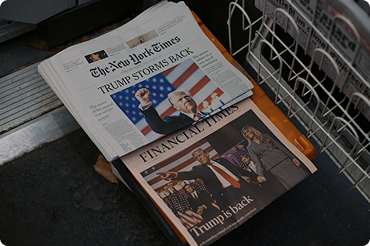
Coverage bias refers to the amount of "airtime" different issues get and are discussed. Issues, then, are oftentimes disproportionately covered. Other media outlets will emphasize issues and politicians differently depending on the audience. Often, these stories appeal greatly to emotion, but not to factual evidence. To overcome this bias, viewers should consider obtaining their information from a diverse range of sources.
Example:
Media stations, like ABC, focused heavily on Donald Trump’s border policies–viewers were subjected to images and stories about kids “in cages,” whereas more conservative news stations would cover this in a completely different way, spinning it as either misrepresented media reporting from the left or that these border policies were a good thing. As we have seen, the opposite has happened with Biden, who, essentially, is doing the same thing, but ABC isn’t reporting stories on the Border Crisis like Fox is.
Concision Bias
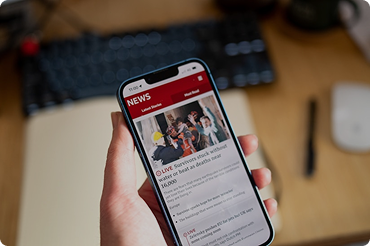
Concision bias is when politicians or news media companies focus on specific aspects of information, essentially pulling things out of context. Often, we see this with sound bites and brief clips from a larger speech. Decontextualizing specific instances in speeches is very dangerous and can polarize an already fragile political climate in America. It can remove more nuanced ideas, essentially shunning them from the political discourse. Being aware of this decontextualization can help us be more mindful of potential spin and combat the adverse effects of concision bias.
Example:
When inflation cooled in late 2022, many headlines read “Prices still rising,” and stopped there. The fuller story—that inflation was slowing, wages were catching up for some workers, and energy prices were falling—got trimmed out. TV segments grabbed a sharp quote like “Families can’t catch a break” and a single chart showing the yearly rate, but skipped the month-to-month slowdown and differences across categories. Economists’ careful points about base effects and core vs. headline inflation didn’t fit a 20-second slot. Viewers were left with a flat takeaway—“nothing’s improving”—not because the data said that, but because concision shaved off the context that showed change.
Other Common Types of Biases
While confirmation, coverage, and concision biases are among the most common and visible in politics, they are not the only forces shaping public opinion. A range of additional biases can also affect how individuals interpret political messages and make decisions.
Authority and Information Processing Biases
Social and Group Influencer Biases
Personal Judgment and Perception Biases
Emotional and Defensive Responses Biases
Authority and Information Processing
How we process and trust information from sources and media outlets.
Authority Bias
Authority bias is another factor to be aware of. We tend to trust information that comes from people who assume an authoritative role.
Example:
In government, this can include our representatives, the executive, and even Supreme Court justices, as well as interest groups. These individuals have biases and agendas, and it’s essential to be cautious of what they say.
Dunning-Kruger Effect
The Dunning-Kruger effect occurs when a person's lack of knowledge about a given subject can sometimes make them more confident and appear more credible.
Example:
People who, for example, say that they don’t understand why we can’t just increase taxes to reduce the national debt often sound like they know what they’re talking about.
Availability Cascade
A political theory or idea that is mentioned once in a news story and then spreads and gains credibility due to its widespread availability would fall under the Availability Cascade. As the theory becomes more widely discussed, it becomes more believable and accepted, even if it lacks factual evidence or valid sources.
Example:
This is an essential way misinformation spreads and can be pretty dangerous – it’s like a classic game of telephone in elementary school, but with real-world partisan consequences. Next time you hear something like “this political theory is right just because…” or “this politician said that this person said…” be wary of where this information is coming from. How credible are the sources, and are their facts well-associated?
Omission Bias
When important details are intentionally left out of a story, making events seem more extreme or misleading.
Example:
A news clip shows a chaotic protest but leaves out the fact it was an isolated incident.
Framing Effect
The Framing Effect occurs when we draw a conclusion based on how information is presented to us. Our own beliefs certainly play a role in synthesizing what we hear, but trying to understand the issue and its underlying framing better can be a step in the right direction to overcome this bias.
Example:
One news station could frame an issue as being the fault of a senator, whereas a different station could frame the same problem in terms of underlying causes from the previous president.
Selection Bias
When media outlets choose to only report on stories that support a specific narrative, leaving out other perspectives.
Example:
A channel covers only economic policies that failed under a rival party, but ignores their successes.
Misinformation Effect
The tendency for post-event misinformation to distort one’s memory of an event, affecting political opinions and beliefs.
Example:
For instance, after a protest, media outlets may frame the event in different ways, portraying it as either peaceful or violent.
Anchoring Bias
The tendency to rely too heavily on the first piece of information encountered when making decisions, even if subsequent data contradicts it.
Example:
In politics, this is evident when a politician is initially labeled as “weak on crime.” Even if they later pass strict crime legislation or lead successful public safety reforms, the initial label may continue to shape public perception.
Social and Group Influencer Biases
How group dynamics and social pressures shape our political beliefs.
Groupthink
Groupthink is a bias that many of us succumb to when working in groups. This occurs when we conform to a popular group opinion or worldview to fit in, thereby minimizing conflict.
Example:
Our natural inclinations are not to be a black sheep. But simply voting democrat because your friends said you should, even though you consider yourself a conservative, isn’t helping anyone. Be honest and trustworthy to your convictions, even if it means going against the grain.
False Consensus
False consensus occurs when someone overestimates the number of people who ascribe to a particular idea or political leaning. Just because everyone you know is against abortion doesn’t mean that everyone else is. Being surrounded by people who share the same opinions does not make one the leading authority on public policy and opinion.
Example:
While it may be the case that you and most of your acquaintances share the same perspective, it is also possible that many other Americans hold different views. Being mindful of our differences is essential and should be respected.
Bandwagon Effect
The tendency to adopt beliefs or follow actions because many others are doing the same is often seen during elections, when people support candidates who are perceived as the likely winners.
Example:
For instance, during election cycles, polling data showing a candidate leading in popularity can cause more people to support that candidate, not necessarily because they agree with their policies, but because they assume the majority must be right or don’t want to feel left out.
Stereotyping
Applying generalized beliefs or expectations to an individual or group, often leading to oversimplified perceptions of political parties or ideologies.
Example:
In politics, this might look like assuming all liberals are anti-business or all conservatives are anti-science.
Ingroup Bias
Favoring those who belong to the same group as oneself, leading to preferential treatment of people with similar political beliefs or affiliations.
Example:
For example, voters might give politicians from their own party the benefit of the doubt on scandals or mistakes while harshly criticizing the opposition for similar behavior.
Outgroup Homogeneity Bias
The perception that members of an outgroup are more similar to each other than members of one’s ingroup, which can lead to oversimplified views of opposing political parties.
Example:
Politically, this could lead someone to say, “All liberals are socialists,” or “All conservatives are extremists,” ignoring the wide range of beliefs within each side.
Personal Judgment and Perception Biases
How group dynamics and social pressures shape our political beliefs.
Halo Effect
We should also be aware of the Halo Effect, which stems from our perception of other people. Our overall impression of a person can influence how we think and feel about their actions, policy, and character.
Example:
An example of this bias is when people dismiss politicians based on their demographics, economic status, appearance, manner of speaking, and other factors.
Actor-Observer Bias
When we romanticize the past, miss the “good old days,” and think or talk about how society seems to be regressing, we often fall into the trap of Declinism. Viewing the past with unbalanced eyes, intentionally or not, is detrimental to the well-being of our evolving democracy and even to our personal lives.
Example:
For example, stating that a new bill undermines fundamental and historical American values, while it appears to address issues that didn’t exist before, may be worth considering, depending on the pros and cons of such a bill. Considering alternatives to the status quo should not be an issue.
Expectation Bias
Interpreting information in a way that confirms one’s expectations can skew political analysis and reporting.
Example:
In politics, this could look like a voter expecting a particular politician to be corrupt and then interpreting every action or headline about them through that lens, regardless of any actual wrongdoing.
Declinism
For example, stating that a new bill undermines fundamental and historical American values, while it appears to address issues that didn’t exist before, may be worth considering, depending on the pros and cons of such a bill. Considering alternatives to the status quo should not be an issue.
Example:
An example of this bias is when people dismiss politicians based on their demographics, economic status, appearance, manner of speaking, and other factors.
Status Quo Bias
A preference for the current state of affairs and resistance to change, which can affect political opinions and policy decisions.
Example:
A headline screams “SHOCKING Government Scandal” over a small clerical error.
Emotional and Defensive Responses
How emotions and psychological defenses influence our reaction to political information.
Negativity Bias
Tendency to focus more on bad news, even when positive events are equally (or more) important.
Example:
Remembering only crime reports from the news, but forgetting stories about community improvements.
Sensationalism
Exaggerating or dramatizing stories with emotional language and visuals to attract attention
Example:
A headline screams “SHOCKING Government Scandal” over a small clerical error.
Backfire Effect
When presented with evidence that contradicts their beliefs, some people may reject the evidence and believe even more strongly in their original stance.
Example:
For example, suppose a person firmly believes that a particular election was “stolen” despite court rulings and showing no significant fraud, presenting them with the facts may not only fail to change their mind. In that case, it might actually make them believe the fraud claim even more deeply.
Optimisim Bias
The tendency to overestimate positive outcomes and underestimate negative ones, which can skew perceptions of political risk and policy impact.
Example:
For example, a person might be overly optimistic about their own political party’s policies and also underestimate the possible risks.
Pessimism Bias
The opposite of optimism bias, where individuals expect the worst possible outcome, impacting political decisions and attitudes toward change.
Example:
In political contexts, this might manifest in claims that a new administration will “ruin the country” or that a specific policy will inevitably lead to disaster, even before it’s enacted or fairly assessed.
Bias Types Quiz
Test your self-awareness and uncover hidden perspectives by taking our Bias Types Quiz — a quick and insightful way to explore how different types of bias may influence your thinking.
Most People Miss These Bias Signals
Don’t be one of them. Join Biasly’s Media Literacy Education Platform for bite-sized lessons and fun rating challenges that turn you into a bias expert without feeling like work.