








 Wall Street Journal Article Rating
Fossil-Fuel Addiction Is Getting Harder for Oil Giants to Kick
- Bias Rating
- Reliability
N/AN/A
- Policy Leaning
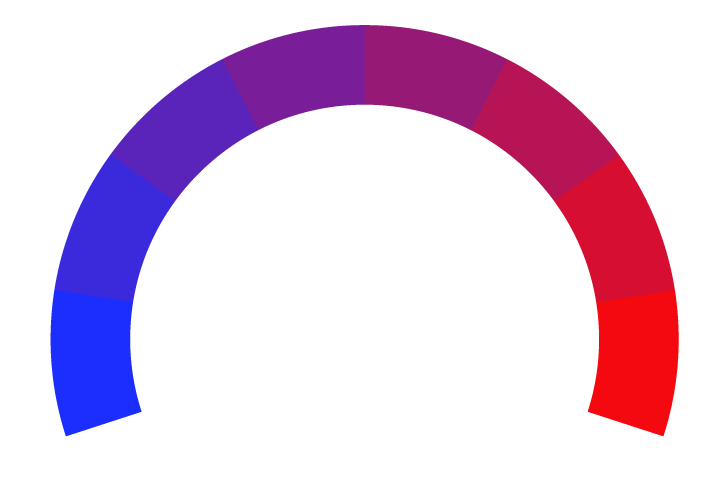
-10% Center
- Politician Portrayal
-62% Negative
Continue For Free
Create your free account to see the in-depth bias analytics and more.
By creating an account, you agree to our Terms and Privacy Policy, and subscribe to email updates.
Bias Score Analysis
The A.I. bias rating includes policy and politician portrayal leanings based on the author’s tone found in the article using machine learning. Bias scores are on a scale of -100% to 100% with higher negative scores being more liberal and higher positive scores being more conservative, and 0% being neutral.
Sentiments
N/A
- Liberal
- Conservative
| Sentence | Sentiment | Bias |
|---|---|---|
Unlock this feature by upgrading to the Pro plan. | ||
Reliability Score Analysis
Policy Leaning Analysis
Politician Portrayal Analysis
Bias Meter
Extremely
Liberal
Very
Liberal
Moderately
Liberal
Somewhat Liberal
Center
Somewhat Conservative
Moderately
Conservative
Very
Conservative
Extremely
Conservative
-100%
Liberal
100%
Conservative
Contributing sentiments towards policy:
60% : All three have plans to produce more renewable energy at home and reduce the share of fossil fuels in their overall mix.58% : This appears to be a valid concern: BP is targeting returns on investment of 15% to 20% for fossil fuel projects, compared with around 15% for bioenergy and 6% to 8% for renewable energy like solar and wind.
55% : The European Union, China and India account for 45% of oil imports globally and around 50% of natural-gas imports.
49% : But they also think that clean energy will be less lucrative than legacy businesses.
44% : The companies also may have found it hard to ignore the message from stock markets that investors prefer oil companies to stick to their knitting.
*Our bias meter rating uses data science including sentiment analysis, machine learning and our proprietary algorithm for determining biases in news articles. Bias scores are on a scale of -100% to 100% with higher negative scores being more liberal and higher positive scores being more conservative, and 0% being neutral. The rating is an independent analysis and is not affiliated nor sponsored by the news source or any other organization.