




6 tasks Bangladesh must do during 3-year LDC lifeline
- Bias Rating
-62% Medium Left
- Reliability
35% ReliableAverage
- Policy Leaning
-62% Medium Left
- Politician Portrayal
N/A
Continue For Free
Create your free account to see the in-depth bias analytics and more.
By creating an account, you agree to our Terms and Privacy Policy, and subscribe to email updates.
Log In
Log in to your account to see the in-depth bias analytics and more.
The A.I. bias rating includes policy and politician portrayal leanings based on the author’s tone found in the article using machine learning. Bias scores are on a scale of -100% to 100% with higher negative scores being more liberal and higher positive scores being more conservative, and 0% being neutral.
Sentiments
15% Positive
- Liberal
- Conservative
| Sentence | Sentiment | Bias |
|---|---|---|
Unlock this feature by upgrading to the Pro plan. | ||
Bias Meter
Extremely
Liberal
Very
Liberal
Moderately
Liberal
Somewhat Liberal
Center
Somewhat Conservative
Moderately
Conservative
Very
Conservative
Extremely
Conservative
-100%
Liberal
100%
Conservative
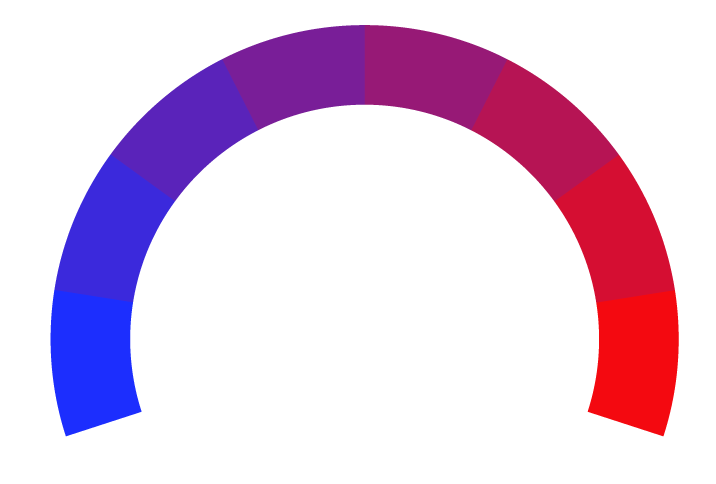
Contributing sentiments towards policy:
61% : UN grants three-year extension The urgency follows the UN General Assembly's approval on 30 October to move Bangladesh's graduation deadline from 24 November 2026 to 24 November 2029.58% : "In the EU market, we effectively have six years, including the standard three-year post-graduation grace period," Babu said.
57% : The stakes are high: approximately 73% of Bangladesh's export revenue currently depends on preferential trade arrangements granted under LDC status, including duty-free and quota-free market access.
50% : Rather than viewing the delay as a cushion, business leaders and economists argue the government must immediately execute a focused, three-year priority plan centered on six key imperatives: negotiating Free Trade Agreements (FTAs), diversifying exports beyond garments, securing reliable energy, raising domestic tax revenues, modernising port logistics, and boosting industrial productivity.
50% : "Without inter-agency coordination and strong political commitment, Bangladesh will struggle to make meaningful use of this extension," Razzaque noted, urging immediate FTA negotiations with the European Union, Bangladesh's largest export destination.
43% : The decision aligns with recommendations from the UN's Committee for Development Policy (CDP), which backed the extension on the condition that Bangladesh aggressively tackle structural weaknesses in its economy.
43% : To fund infrastructure, healthcare, and education, Bangladesh must significantly raise its low tax-to-GDP ratio by expanding the tax base, modernising the tax authority, and curbing evasion.
39% : Analysts and industry leaders point to six key pillars that must underpin the country's readiness:negotiating free trade agreements, accelerating export diversification, securing reliable energy supplies, boosting domestic revenue mobilisation, modernising logistics and port infrastructure, and raising industrial productivity.
*Our bias meter rating uses data science including sentiment analysis, machine learning and our proprietary algorithm for determining biases in news articles. Bias scores are on a scale of -100% to 100% with higher negative scores being more liberal and higher positive scores being more conservative, and 0% being neutral. The rating is an independent analysis and is not affiliated nor sponsored by the news source or any other organization.