




 Reuters
Australia's Victoria proposes new data centres must secure their own renewable energy supply
- Bias Rating
-34% Somewhat Left
- Reliability
45% ReliableAverage
- Policy Leaning
-34% Somewhat Left
- Politician Portrayal
N/A
Continue For Free
Create your free account to see the in-depth bias analytics and more.
By creating an account, you agree to our Terms and Privacy Policy, and subscribe to email updates.
Log In
Log in to your account to see the in-depth bias analytics and more.
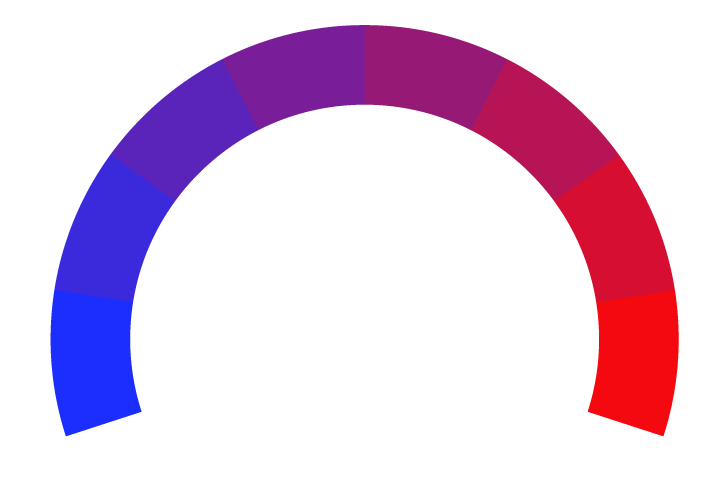
The A.I. bias rating includes policy and politician portrayal leanings based on the author’s tone found in the article using machine learning. Bias scores are on a scale of -100% to 100% with higher negative scores being more liberal and higher positive scores being more conservative, and 0% being neutral.
Sentiments
25% Positive
- Liberal
| Sentence | Sentiment | Bias |
|---|---|---|
Unlock this feature by upgrading to the Pro plan. | ||
Bias Meter
Extremely
Liberal
Very
Liberal
Moderately
Liberal
Somewhat Liberal
Center
Somewhat Conservative
Moderately
Conservative
Very
Conservative
Extremely
Conservative
-100%
Liberal
100%
Conservative
Contributing sentiments towards policy:
59% : Sept 22 (Reuters) - Australia's Victoria state has proposed that new data centres in the region will have to secure their own renewable energy supply, among other requirements, as part of its sustainable data centre development plan.55% : Victoria's Premier Ben Carroll, who announced the proposal on Tuesday, called the regulations the "strongest, clearest data centre rules in the country".
54% : The rules would require data centres to secure their own renewable energy supply and storage, bear the connection costs and network upgrades, and use recycled or non-drinking water for cooling.
*Our bias meter rating uses data science including sentiment analysis, machine learning and our proprietary algorithm for determining biases in news articles. Bias scores are on a scale of -100% to 100% with higher negative scores being more liberal and higher positive scores being more conservative, and 0% being neutral. The rating is an independent analysis and is not affiliated nor sponsored by the news source or any other organization.