




 P.M. News
Bill Gates proposes 'Human Reserved' jobs, AI tax amid automation fears
- Bias Rating
50% Medium Right
- Reliability
15% ReliableLimited
- Policy Leaning
50% Medium Right
- Politician Portrayal
N/A
Continue For Free
Create your free account to see the in-depth bias analytics and more.
By creating an account, you agree to our Terms and Privacy Policy, and subscribe to email updates.
Log In
Log in to your account to see the in-depth bias analytics and more.
The A.I. bias rating includes policy and politician portrayal leanings based on the author’s tone found in the article using machine learning. Bias scores are on a scale of -100% to 100% with higher negative scores being more liberal and higher positive scores being more conservative, and 0% being neutral.
Sentiments
38% Positive
- Conservative
| Sentence | Sentiment | Bias |
|---|---|---|
Unlock this feature by upgrading to the Pro plan. | ||
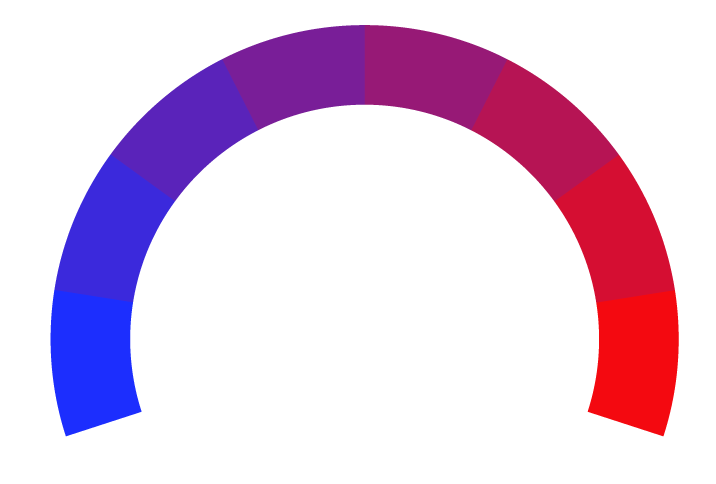
Bias Meter
Extremely
Liberal
Very
Liberal
Moderately
Liberal
Somewhat Liberal
Center
Somewhat Conservative
Moderately
Conservative
Very
Conservative
Extremely
Conservative
-100%
Liberal
100%
Conservative
Contributing sentiments towards policy:
48% : He argued that a tax on automation could help governments raise money to support workers affected by technological change, including through retraining programmes and stronger social safety nets.47% : Supporters, on the other hand, argue that governments will need new sources of revenue if automation significantly reduces employment and the tax base associated with human labour.
46% : Gates, in a new essay published on his Gates Notes website, proposed the creation of what he described as "Human Reserved" jobs, alongside taxes on AI and robots that displace workers.
38% : Gates said companies pay taxes associated with employing people, including payroll taxes, but automation can alter that equation by allowing businesses to substitute machines for workers.
35% : The debate over an AI or robot tax remains contentious, with critics warning that taxing automation could discourage innovation and reduce the productivity gains that AI promises.
*Our bias meter rating uses data science including sentiment analysis, machine learning and our proprietary algorithm for determining biases in news articles. Bias scores are on a scale of -100% to 100% with higher negative scores being more liberal and higher positive scores being more conservative, and 0% being neutral. The rating is an independent analysis and is not affiliated nor sponsored by the news source or any other organization.