




 The Hindu
Cambodia begins UN process to resolve maritime dispute with Thailand
- Bias Rating
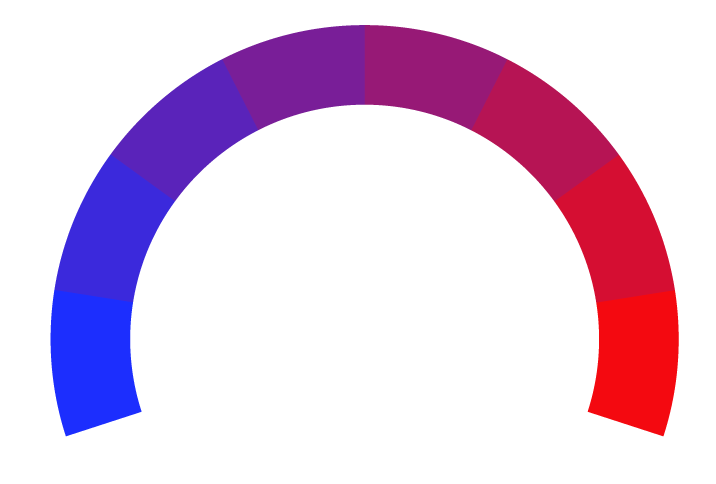
-12% Somewhat Left
- Reliability
45% ReliableAverage
- Policy Leaning
-12% Somewhat Left
- Politician Portrayal
N/A
Continue For Free
Create your free account to see the in-depth bias analytics and more.
By creating an account, you agree to our Terms and Privacy Policy, and subscribe to email updates.
Log In
Log in to your account to see the in-depth bias analytics and more.
The A.I. bias rating includes policy and politician portrayal leanings based on the author’s tone found in the article using machine learning. Bias scores are on a scale of -100% to 100% with higher negative scores being more liberal and higher positive scores being more conservative, and 0% being neutral.
Sentiments
15% Positive
- Liberal
| Sentence | Sentiment | Bias |
|---|---|---|
Unlock this feature by upgrading to the Pro plan. | ||
Bias Meter
Extremely
Liberal
Very
Liberal
Moderately
Liberal
Somewhat Liberal
Center
Somewhat Conservative
Moderately
Conservative
Very
Conservative
Extremely
Conservative
-100%
Liberal
100%
Conservative
Contributing sentiments towards policy:
54% : Both countries are parties to the UN convention.52% : Cambodia initiated an UN-backed dispute resolution process on Tuesday (June 2, 2026) with neighbour Thailand over overlapping maritime claims in the Gulf of Thailand, where undersea energy reserves are valued at around $300 billion.
51% : Cambodian Prime Minister Hun Manet said on State-run TVK on Tuesday (June 2, 2026) that his government had submitted a formal notice to Thailand and the UN secretary-general to "begin compulsory conciliation proceedings" under UNCLOS.
50% : Thailand carries out more airstrikes on Cambodia as deadly border conflict flares The move by Cambodia to begin the mediation process, taken under the United Nations Convention on the Law of the Sea (UNCLOS), followed Thailand's cancellation last month of a 2001 bilateral agreement on overlapping maritime claims and energy exploration.
*Our bias meter rating uses data science including sentiment analysis, machine learning and our proprietary algorithm for determining biases in news articles. Bias scores are on a scale of -100% to 100% with higher negative scores being more liberal and higher positive scores being more conservative, and 0% being neutral. The rating is an independent analysis and is not affiliated nor sponsored by the news source or any other organization.