




 Naked Capitalism Article Rating
Climate Denier Group Pushes States to Embrace Coal Power for Data Centers | naked capitalism
- Bias Rating
-64% Medium Left
- Reliability
45% ReliableAverage
- Policy Leaning
-60% Medium Left
- Politician Portrayal
-25% Negative
Continue For Free
Create your free account to see the in-depth bias analytics and more.
By creating an account, you agree to our Terms and Privacy Policy, and subscribe to email updates.
Log In
Log in to your account to see the in-depth bias analytics and more.
The A.I. bias rating includes policy and politician portrayal leanings based on the author’s tone found in the article using machine learning. Bias scores are on a scale of -100% to 100% with higher negative scores being more liberal and higher positive scores being more conservative, and 0% being neutral.
Sentiments
-19% Negative
- Liberal
- Conservative
| Sentence | Sentiment | Bias |
|---|---|---|
Unlock this feature by upgrading to the Pro plan. | ||
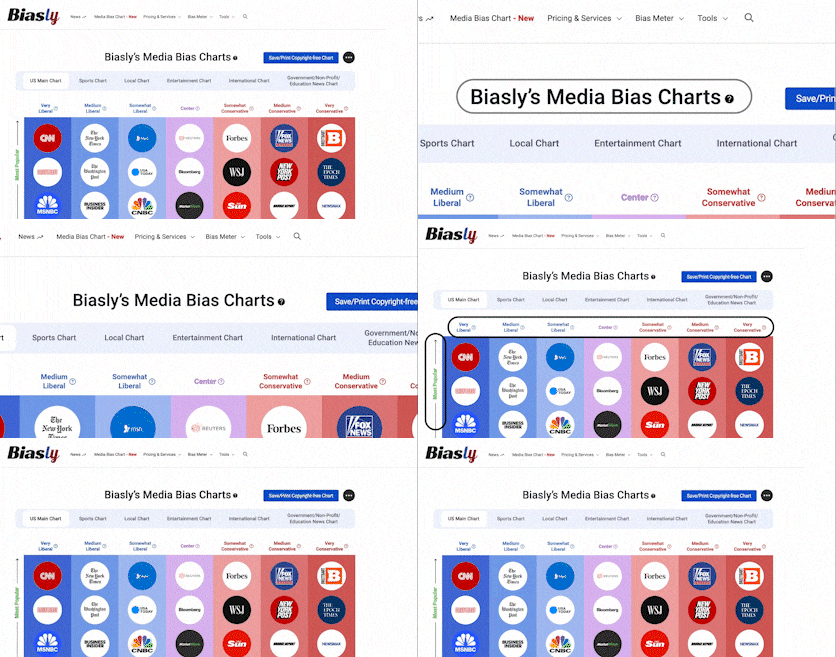
Bias Meter
Extremely
Liberal
Very
Liberal
Moderately
Liberal
Somewhat Liberal
Center
Somewhat Conservative
Moderately
Conservative
Very
Conservative
Extremely
Conservative
-100%
Liberal
100%
Conservative

Contributing sentiments towards policy:
74% : "Today, renewable energy is the most affordable source of power in most parts of the world," according to the United Nations.61% : At the same time, it added, global energy-related carbon dioxide emissions grew at a nearly identical rate, hitting a new record high.
58% : " Since its July 2025 meeting, ALEC has adopted one model policy taking aim at financial incentives for "premature closures" of coal and natural gas power plants and another that would "streamline approval of energy facilities" (defined to include "oil refineries, natural gas plants, equipment and associated facilities" as well as renewable energy facilities).
58% : Heartland itself drove home the importance of climate concerns for coal and other fossil fuels during its presentation last summer.
56% : Heartland's presentation offers a window into how climate deniers have been pushing a similar pro-fossil fuel agenda at the state level.
56% : That Louisiana law also defined "green" energy to specifically include natural gas and nuclear power -- but at the ALEC side event, Heartland talked up the emissions terms, which would also benefit coal.
52% : To a significant degree, big tech companies have so far kept the notoriously-polluting fossil fuel at arm's length as they've moved to build new power plants to generate electricity for data centers.
51% : After several years of attacking big tech over the industry's perceived politics, Heartland is now urging those same companies to burn coal and other fossil fuels to power the enormous data centers used to train and run so-called "artificial intelligence" systems and for cryptocurrency mining.
50% : ALEC has a long history of embracing coal and other fossil fuels -- and 2025 proved to be no exception.
49% : That count includes bills "legislating preferences for fossil fuels" that became law in Arkansas, Missouri, Indiana, Louisiana, and Ohio.
48% : "Over 90 per cent of new renewable projects are now cheaper than fossil fuels alternatives.
40% : Back then, the coal industry was in decline, slumping amid competition from a flood of cheap fracked gas and renewables' rapid gains in cost and efficiency.
37% : Taylor presented figures suggesting solar and wind are wildly expensive compared to fossil fuels, illustrated on a slide called "Why Would We Want 'All of the Above?'" (using a set of estimates covering one state, Texas, drawn from a 2022 paper).
35% : " The state-level push for coal has been massively bolstered by the Trump administration's aggressive pro-coal stance and willingness to ditch environmental standards -- including federal limits governing toxic coal wastewater, coal ash, and dangerous air pollutants like sulfur dioxide.
32% : In February, for example, DeSmog reported that the Trump administration tossed out Colorado's haze standards, "repurposing measures initially intended to safeguard public health and prevent pollution to reboot the dirtiest, deadliest fossil fuel.
*Our bias meter rating uses data science including sentiment analysis, machine learning and our proprietary algorithm for determining biases in news articles. Bias scores are on a scale of -100% to 100% with higher negative scores being more liberal and higher positive scores being more conservative, and 0% being neutral. The rating is an independent analysis and is not affiliated nor sponsored by the news source or any other organization.