





 EU Reporter Article Rating
Copernicus: Highest July global ocean surface temperatures as exceptionally hot, dry conditions fuel wildfires in Europe
- Bias Rating
-2% Center
- Reliability
75% ReliableGood
- Policy Leaning
-2% Center
- Politician Portrayal
N/A
Continue For Free
Create your free account to see the in-depth bias analytics and more.
By creating an account, you agree to our Terms and Privacy Policy, and subscribe to email updates.
Log In
Log in to your account to see the in-depth bias analytics and more.
The A.I. bias rating includes policy and politician portrayal leanings based on the author’s tone found in the article using machine learning. Bias scores are on a scale of -100% to 100% with higher negative scores being more liberal and higher positive scores being more conservative, and 0% being neutral.
Sentiments
11% Positive
- Liberal
- Conservative
| Sentence | Sentiment | Bias |
|---|---|---|
Unlock this feature by upgrading to the Pro plan. | ||
Bias Meter
Extremely
Liberal
Very
Liberal
Moderately
Liberal
Somewhat Liberal
Center
Somewhat Conservative
Moderately
Conservative
Very
Conservative
Extremely
Conservative
-100%
Liberal
100%
Conservative
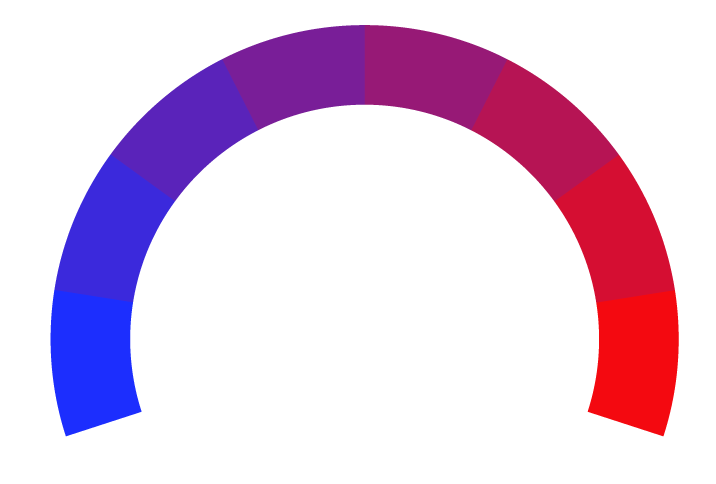
Contributing sentiments towards policy:
67% : Sea ice maps and data are from a combination of information from ERA5, as well as from the EUMETSAT OSI SAF Sea Ice Index v3.0.66% : July 2026 - Sea ice highlights *
60% : Together with ESA and EUMETSAT, ECMWF also delivers the EU's Destination Earth initiative, which is developing prototype digital twins of the Earth.
59% : About Copernicus and ECMWF Copernicus is the Earth observation component of the European Union's Space programme, looking at our planet and its environment to benefit all European citizens.
54% : ECMWF is a key player in Copernicus, the Earth Observation component of the European Union's Space programme, by implementing quality-assured information on climate change (Copernicus Climate Change Service), atmospheric composition (Copernicus Atmosphere Monitoring Service), and contributing to information on flooding and fire danger (Copernicus Emergency Management Service).
49% : * Antarctic sea ice extent ranked fifth lowest for July, with below-average sea ice cover in most ocean sectors except the Amundsen Sea.
39% : In July 2026, Arctic sea ice extent ranked sixth lowest for the month, with particularly low sea ice cover in the northern Barents Sea around Svalbard and Franz Josef Land.
*Our bias meter rating uses data science including sentiment analysis, machine learning and our proprietary algorithm for determining biases in news articles. Bias scores are on a scale of -100% to 100% with higher negative scores being more liberal and higher positive scores being more conservative, and 0% being neutral. The rating is an independent analysis and is not affiliated nor sponsored by the news source or any other organization.