




 People Daily Article Rating
Fuel crisis: Inside Kenya's Ksh17B debt amid looming shortage and price hike
- Bias Rating
18% Somewhat Right
- Reliability
15% ReliableLimited
- Policy Leaning
18% Somewhat Right
- Politician Portrayal
N/A
Continue For Free
Create your free account to see the in-depth bias analytics and more.
By creating an account, you agree to our Terms and Privacy Policy, and subscribe to email updates.
Log In
Log in to your account to see the in-depth bias analytics and more.
The A.I. bias rating includes policy and politician portrayal leanings based on the author’s tone found in the article using machine learning. Bias scores are on a scale of -100% to 100% with higher negative scores being more liberal and higher positive scores being more conservative, and 0% being neutral.
Sentiments
-30% Negative
- Liberal
- Conservative
| Sentence | Sentiment | Bias |
|---|---|---|
Unlock this feature by upgrading to the Pro plan. | ||
Bias Meter
Extremely
Liberal
Very
Liberal
Moderately
Liberal
Somewhat Liberal
Center
Somewhat Conservative
Moderately
Conservative
Very
Conservative
Extremely
Conservative
-100%
Liberal
100%
Conservative
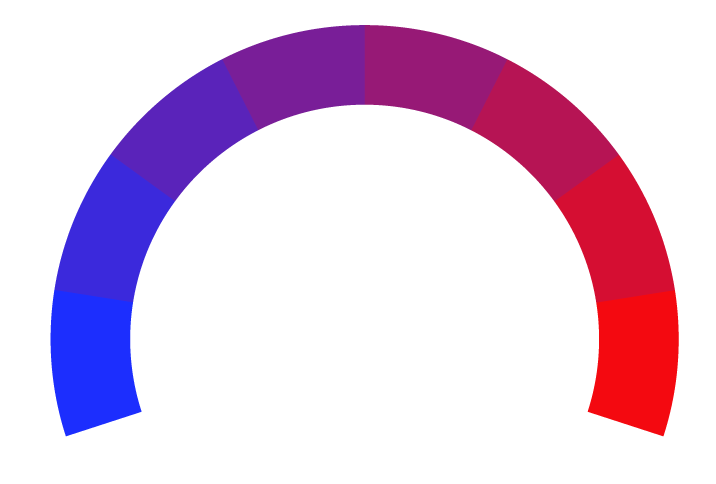
Contributing sentiments towards policy:
58% : The crisis shows wide gaps in funding the petroleum levy and energy stability.51% : The levy was to be implemented to keep consumers from being affected by high fuel prices in other parts of the world and to provide a stabilisation fund for the government to use to pay for low prices at the pump.
51% : The government-to-government (G-to-G) fuel importation scheme proposed by President William Ruto's government was going to stabilise the market with a view to reducing the need for dollars and easing pressure on the shilling.
50% : The crisis has put the Petroleum Development Levy fund under more public scrutiny.
48% : The Ksh17 billion fuel debt owed by Kenya to oil marketers exposes significant gaps in the financing of the petroleum levy and energy stability.
45% : Kenyans have been paying billions in the levy every month, but at a time when people need it, the stabilisation programme is suffering funding problems.
44% : It has now become a wider fiscal management and transparency issue, and if the billions collected by the Petroleum Development Levy have been sustainably managed to cushion consumers in times of economic shock.
43% : The subsidy programme The crux of the issue is the Petroleum Development Levy (PDL), which is a tax the Kenyans pay on every litre of fuel they buy.
*Our bias meter rating uses data science including sentiment analysis, machine learning and our proprietary algorithm for determining biases in news articles. Bias scores are on a scale of -100% to 100% with higher negative scores being more liberal and higher positive scores being more conservative, and 0% being neutral. The rating is an independent analysis and is not affiliated nor sponsored by the news source or any other organization.