




HK to impose $6 per kg levy on EV batteries, rising to $30 by 2043
- Bias Rating
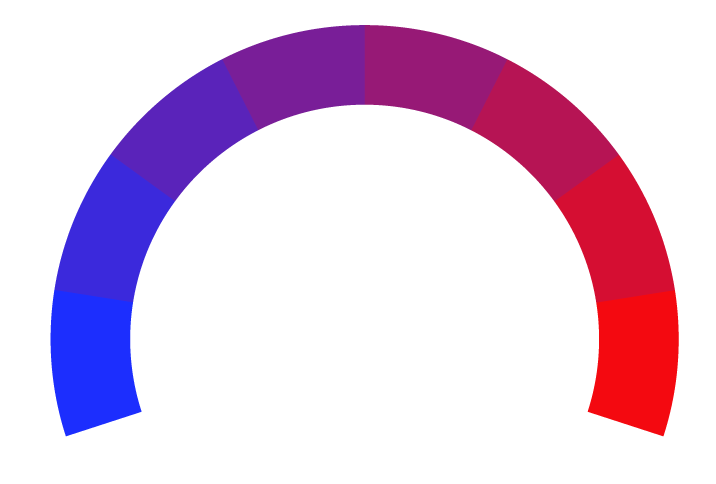
6% Center
- Reliability
5% ReliableLimited
- Policy Leaning
6% Center
- Politician Portrayal
N/A
Continue For Free
Create your free account to see the in-depth bias analytics and more.
By creating an account, you agree to our Terms and Privacy Policy, and subscribe to email updates.
Log In
Log in to your account to see the in-depth bias analytics and more.
The A.I. bias rating includes policy and politician portrayal leanings based on the author’s tone found in the article using machine learning. Bias scores are on a scale of -100% to 100% with higher negative scores being more liberal and higher positive scores being more conservative, and 0% being neutral.
Sentiments
25% Positive
- Liberal
- Conservative
| Sentence | Sentiment | Bias |
|---|---|---|
Unlock this feature by upgrading to the Pro plan. | ||
Bias Meter
Extremely
Liberal
Very
Liberal
Moderately
Liberal
Somewhat Liberal
Center
Somewhat Conservative
Moderately
Conservative
Very
Conservative
Extremely
Conservative
-100%
Liberal
100%
Conservative
Contributing sentiments towards policy:
57% : For a typical private car with a 500kg battery, the initial levy would amount to HK$3,000 in 2028.53% : Hong Kong plans to impose a recycling levy of HK$6 per kilogram on electric vehicle (EV) battery suppliers from 2028, with the rate gradually increasing to HK$30 per kg by 2043.
50% : The Environmental Protection Department (EPD) said on Friday (Nov 20) that the proposed producer responsibility scheme would follow the "polluter pays" principle, requiring suppliers to pay the levy based on battery weight before distributing new vehicles or batteries.
50% : More than 180,000 EVs already distributed before the scheme takes effect would be exempt from the levy but would also be covered by the free recycling service.
44% : The levy and payments to recyclers would be reviewed annually, taking into account treatment costs and the market value of recovered materials, including recycled black mass.
43% : Asked whether suppliers might pass the levy on to consumers through higher vehicle prices, an EPD spokesman said this would be subject to market competition, as suppliers would be legally responsible for paying the levy.
*Our bias meter rating uses data science including sentiment analysis, machine learning and our proprietary algorithm for determining biases in news articles. Bias scores are on a scale of -100% to 100% with higher negative scores being more liberal and higher positive scores being more conservative, and 0% being neutral. The rating is an independent analysis and is not affiliated nor sponsored by the news source or any other organization.