




 US News World Report Article Rating
Hypothermia Risks Increase in Mississippi and Tennessee With Next Wave of Frigid Temperatures
- Bias Rating
-8% Center
- Reliability
60% ReliableAverage
- Policy Leaning
-10% Center
- Politician Portrayal
50% Positive
Continue For Free
Create your free account to see the in-depth bias analytics and more.
By creating an account, you agree to our Terms and Privacy Policy, and subscribe to email updates.
Log In
Log in to your account to see the in-depth bias analytics and more.
The A.I. bias rating includes policy and politician portrayal leanings based on the author’s tone found in the article using machine learning. Bias scores are on a scale of -100% to 100% with higher negative scores being more liberal and higher positive scores being more conservative, and 0% being neutral.
Sentiments
-38% Negative
- Liberal
| Sentence | Sentiment | Bias |
|---|---|---|
Unlock this feature by upgrading to the Pro plan. | ||
Bias Meter
Extremely
Liberal
Very
Liberal
Moderately
Liberal
Somewhat Liberal
Center
Somewhat Conservative
Moderately
Conservative
Very
Conservative
Extremely
Conservative
-100%
Liberal
100%
Conservative
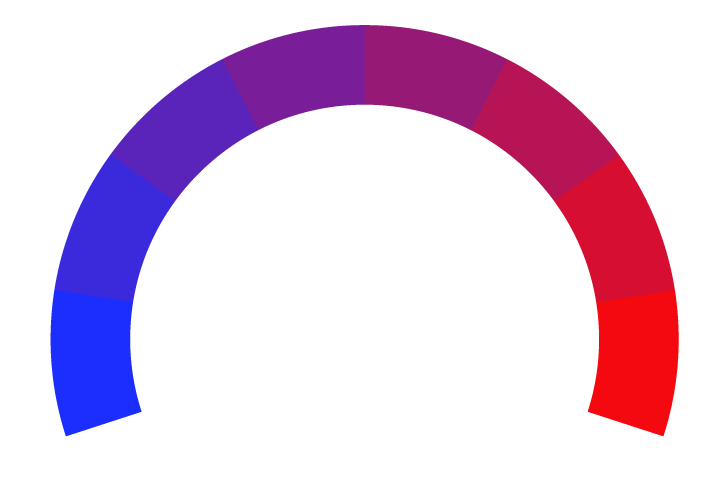
Contributing sentiments towards policy:
45% : " The National Weather Service said arctic air moving into the Southeast will cause already frigid temperatures to plummet into the teens (minus 10 degrees Celsius) on Friday night in cities like Nashville, where more than 79,000 homes and businesses still lacked power nearly a week after a massive storm dumped snow and ice across the eastern U.S. People who are more vulnerable -- the elderly, infants and those with underlying health conditions -- may have started experiencing hypothermia symptoms within hours of being exposed to the frigid temperatures, explained Dr. Zheng Ben Ma, medical director of the University of Washington Medical Center's northwest emergency department.*Our bias meter rating uses data science including sentiment analysis, machine learning and our proprietary algorithm for determining biases in news articles. Bias scores are on a scale of -100% to 100% with higher negative scores being more liberal and higher positive scores being more conservative, and 0% being neutral. The rating is an independent analysis and is not affiliated nor sponsored by the news source or any other organization.