




 Yahoo
'Invisible' nicotine grips young people and raises alarm among public health experts
- Bias Rating
-62% Medium Left
- Reliability
70% ReliableGood
- Policy Leaning
-62% Medium Left
- Politician Portrayal
N/A
Continue For Free
Create your free account to see the in-depth bias analytics and more.
By creating an account, you agree to our Terms and Privacy Policy, and subscribe to email updates.
Log In
Log in to your account to see the in-depth bias analytics and more.
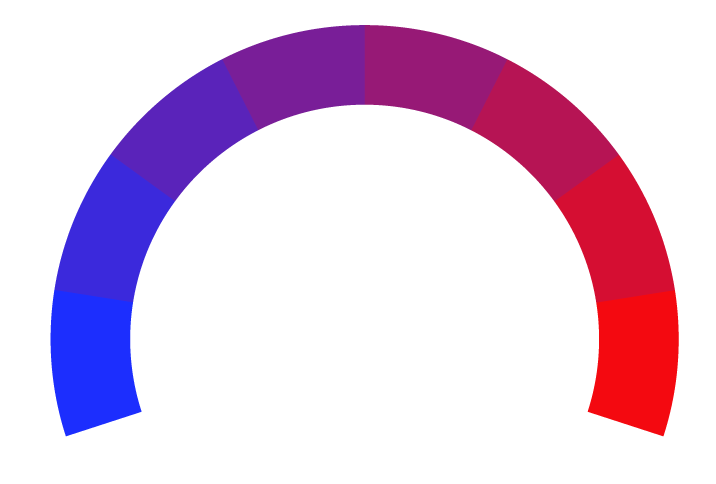
The A.I. bias rating includes policy and politician portrayal leanings based on the author’s tone found in the article using machine learning. Bias scores are on a scale of -100% to 100% with higher negative scores being more liberal and higher positive scores being more conservative, and 0% being neutral.
Sentiments
6% Positive
- Liberal
- Conservative
| Sentence | Sentiment | Bias |
|---|---|---|
Unlock this feature by upgrading to the Pro plan. | ||
Bias Meter
Extremely
Liberal
Very
Liberal
Moderately
Liberal
Somewhat Liberal
Center
Somewhat Conservative
Moderately
Conservative
Very
Conservative
Extremely
Conservative
-100%
Liberal
100%
Conservative
Contributing sentiments towards policy:
66% : The UN agency cites as examples packaging that mimics sweet packets, bubble-gum flavours, promotion on social media, sponsorship of concerts, festivals and sporting events, including Formula 1. Is regulation on the way?63% : Recognising that nicotine is an addictive substance, Marcelo Nico argues that regulation is essential: "All nicotine products have to be regulated, because nicotine is addictive.
61% : For Marcelo Nico, regulation is necessary but must be balanced.
54% : The recommended measures include bans or strict restrictions on flavourings; bans on advertising, promotion and sponsorship, including on social media and through influencers; strict age-verification checks; clear health warnings and standardised packaging; maximum limits on the amount of nicotine allowed; taxation to reduce affordability and discourage use among young people; as well as monitoring patterns of use and industry tactics.
53% : From the start of this year in Portugal a tax regime was introduced for these products; they are now subject to excise duty.
53% : Speaking to Euronews, Sofia Belo Ravara, a pulmonologist at the Cova da Beira Local Health Unit and professor of Preventive Medicine at the Faculty of Health Sciences of the University of Beira Interior, warns about the role of marketing and the absence of early regulation.
44% : " The same warning was repeated by the World Health Organization (WHO) (source in Portuguese) this month, when it stressed that nicotine pouches "should not be considered risk-free", and that nicotine "is extremely addictive and harmful, particularly to children and adolescents", whose "brain development may be affected".
42% : The key is to have regulation that allows these products to be sold to adult smokers, but also ensures that minors have no access to them, and that they are not attractive to this group, which is not the target audience for these products.
*Our bias meter rating uses data science including sentiment analysis, machine learning and our proprietary algorithm for determining biases in news articles. Bias scores are on a scale of -100% to 100% with higher negative scores being more liberal and higher positive scores being more conservative, and 0% being neutral. The rating is an independent analysis and is not affiliated nor sponsored by the news source or any other organization.