




 NY Times
Israel and Lebanon meet to advance peace talks, as broader cease-fire unravels.
- Bias Rating
-84% Very Left
- Reliability
55% ReliableAverage
- Policy Leaning
-92% Very Left
- Politician Portrayal
-62% Negative
Continue For Free
Create your free account to see the in-depth bias analytics and more.
By creating an account, you agree to our Terms and Privacy Policy, and subscribe to email updates.
Log In
Log in to your account to see the in-depth bias analytics and more.
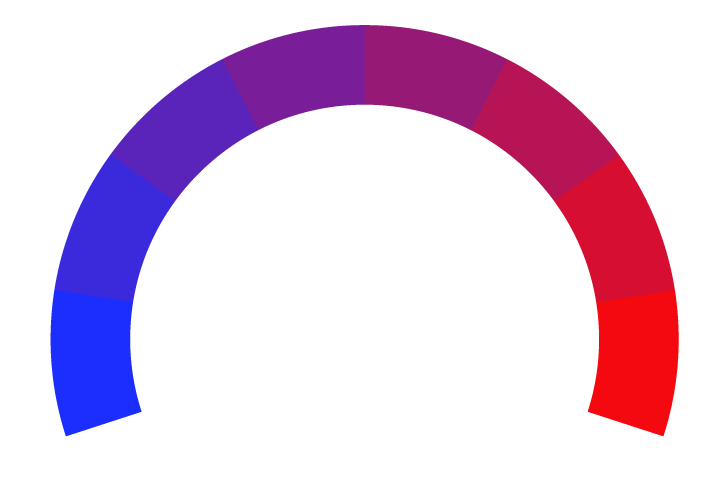
The A.I. bias rating includes policy and politician portrayal leanings based on the author’s tone found in the article using machine learning. Bias scores are on a scale of -100% to 100% with higher negative scores being more liberal and higher positive scores being more conservative, and 0% being neutral.
Sentiments
-2% Negative
- Liberal
- Conservative
| Sentence | Sentiment | Bias |
|---|---|---|
Unlock this feature by upgrading to the Pro plan. | ||
Bias Meter
Extremely
Liberal
Very
Liberal
Moderately
Liberal
Somewhat Liberal
Center
Somewhat Conservative
Moderately
Conservative
Very
Conservative
Extremely
Conservative
-100%
Liberal
100%
Conservative
Contributing sentiments towards policy:
56% : Israel has said it will continue to occupy the more than six miles into Lebanese territory under its control as long as Hezbollah retains its military capabilities.51% : Want to stay updated on what's happening in Israel and Lebanon?
45% : Israeli and Lebanese officials met for a new round of U.S.-mediated talks on Tuesday in an effort to advance a fragile cease-fire and pave the way for Israel to withdraw from the south of the country, even as prospects of a breakthrough remain limited.
45% : Instead, the agreement ties Israel's departure to the disarmament of Hezbollah, a process led by the Lebanese government that has had limited success.
43% : President Joseph Aoun of Lebanon said on Monday that he hoped the talks would produce "concrete and practical steps on the ground" and urged Prime Minister Benjamin Netanyahu of Israel to recognize that military action would not bring lasting security.
40% : It says that as Israel withdrew from the south, the Lebanese Armed Forces would take control of those areas, enabling displaced residents to return to their homes.
38% : Months of intense fighting between Israel and Hezbollah, an Iran-backed Lebanese militant group, has killed thousands of people, uprooted more than a million and left Israeli forces occupying swaths of southern Lebanon.
37% : Doing so, it has argued, is a necessary measure to safeguard communities in northern Israel from Hezbollah's attacks.
34% : The fighting began shortly after the outbreak of the U.S.-Israeli war with Iran, when Hezbollah launched attacks on Israel in support of its patrons in Tehran.
32% : The deal, signed on June 26, has faced criticism in Lebanon, largely because it does not include a fixed deadline for Israel's withdrawal.
*Our bias meter rating uses data science including sentiment analysis, machine learning and our proprietary algorithm for determining biases in news articles. Bias scores are on a scale of -100% to 100% with higher negative scores being more liberal and higher positive scores being more conservative, and 0% being neutral. The rating is an independent analysis and is not affiliated nor sponsored by the news source or any other organization.