




Israel votes as Gaza war shapes election, Netanyahu faces challenge from Eisenkot
- Bias Rating
-66% Medium Left
- Reliability
30% ReliableAverage
- Policy Leaning
-66% Medium Left
- Politician Portrayal
N/A
Continue For Free
Create your free account to see the in-depth bias analytics and more.
By creating an account, you agree to our Terms and Privacy Policy, and subscribe to email updates.
Log In
Log in to your account to see the in-depth bias analytics and more.
The A.I. bias rating includes policy and politician portrayal leanings based on the author’s tone found in the article using machine learning. Bias scores are on a scale of -100% to 100% with higher negative scores being more liberal and higher positive scores being more conservative, and 0% being neutral.
Sentiments
7% Positive
- Liberal
- Conservative
| Sentence | Sentiment | Bias |
|---|---|---|
Unlock this feature by upgrading to the Pro plan. | ||
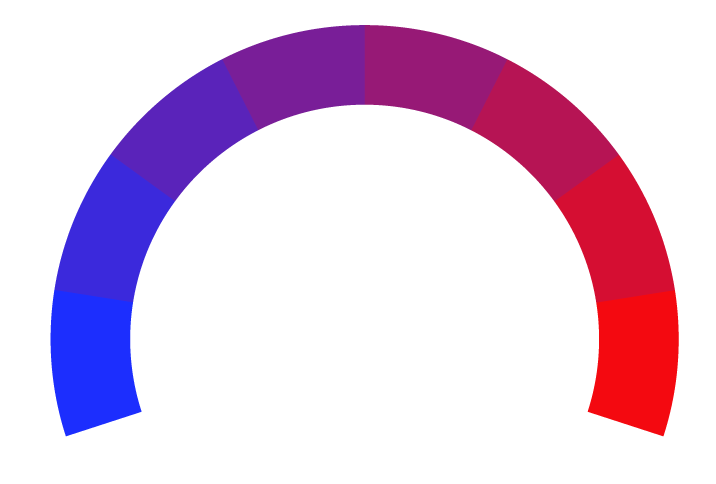
Bias Meter
Extremely
Liberal
Very
Liberal
Moderately
Liberal
Somewhat Liberal
Center
Somewhat Conservative
Moderately
Conservative
Very
Conservative
Extremely
Conservative
-100%
Liberal
100%
Conservative
Contributing sentiments towards policy:
59% : Parties aligned with Eisenkot have pledged to improve Israel's international standing, strengthen judicial independence and expand military service requirements to include ultra-Orthodox Jewish men.55% : According to initial figures released by Israel's Central Elections Committee, nearly 17 per cent of eligible voters had cast their ballots within the first three hours of polling.
50% : Prime Minister Benjamin Netanyahu, Israel's longest-serving leader, is seeking another term amid a strong challenge from former military chief Gadi Eisenkot.
48% : Arabs account for around one-fifth of Israel's population.
48% : The election is widely seen as both a referendum on Netanyahu's leadership and a broader debate over Israel's future direction, including the role of religion, nationalism and democratic institutions in public life.
45% : Israel's fragmented political system makes it difficult for any single party to secure a parliamentary majority, raising the possibility of prolonged coalition negotiations if neither bloc wins enough seats to form a government.
45% : Supporters view Netanyahu as an experienced statesman who has steered Israel through multiple conflicts while safeguarding its Jewish character.
43% : For many voters, the election has centred on security and who is best equipped to protect Israel amid multiple regional threats.
38% : Israelis headed to the polls on Tuesday in a closely watched election that could reshape the country's political future, with voters weighing issues ranging from national security and the ongoing war in Gaza to questions over Israel's identity and leadership.
30% : In the run-up to the vote, Netanyahu warned that Tehran would face "a devastating blow" if it launched an attack on Israel.
*Our bias meter rating uses data science including sentiment analysis, machine learning and our proprietary algorithm for determining biases in news articles. Bias scores are on a scale of -100% to 100% with higher negative scores being more liberal and higher positive scores being more conservative, and 0% being neutral. The rating is an independent analysis and is not affiliated nor sponsored by the news source or any other organization.