




Nations sign UN treaty against scams, explicit image sharing
- Bias Rating
- Reliability
30% ReliableAverage
- Policy Leaning
-16% Somewhat Left
- Politician Portrayal
N/A
Continue For Free
Create your free account to see the in-depth bias analytics and more.
By creating an account, you agree to our Terms and Privacy Policy, and subscribe to email updates.
Bias Score Analysis
The A.I. bias rating includes policy and politician portrayal leanings based on the author’s tone found in the article using machine learning. Bias scores are on a scale of -100% to 100% with higher negative scores being more liberal and higher positive scores being more conservative, and 0% being neutral.
Sentiments
8% Positive
- Liberal
- Conservative
| Sentence | Sentiment | Bias |
|---|---|---|
Unlock this feature by upgrading to the Pro plan. | ||
Reliability Score Analysis
Policy Leaning Analysis
Politician Portrayal Analysis
Bias Meter
Extremely
Liberal
Very
Liberal
Moderately
Liberal
Somewhat Liberal
Center
Somewhat Conservative
Moderately
Conservative
Very
Conservative
Extremely
Conservative
-100%
Liberal
100%
Conservative
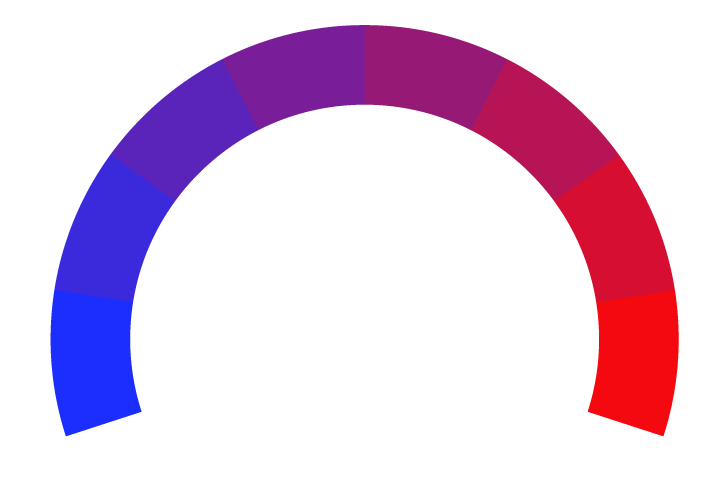
Contributing sentiments towards policy:
62% : The UN Office on Drugs and Crime played a major role in the signing, which attracted senior government officials, diplomats, and experts from across the globe.61% : Adopted by the UN General Assembly on December 24, 2024, the cybercrime treaty will become effective 90 days after the deposit of the 40th instrument of ratification and approval.
50% : UN Secretary-General António Guterres described the signing, which took place Saturday in Hanoi, Vietnam, as a significant step toward a safer digital world.
43% : The UN chief said the convention represents a victory for victims of online abuse and a clear pathway for investigators and prosecutors to overcome the barriers of foreign jurisdictions.
41% : Sixty-five nations have endorsed a United Nations treaty against cybercrime, the first international agreement that criminalizes the unilateral sharing of intimate images.
*Our bias meter rating uses data science including sentiment analysis, machine learning and our proprietary algorithm for determining biases in news articles. Bias scores are on a scale of -100% to 100% with higher negative scores being more liberal and higher positive scores being more conservative, and 0% being neutral. The rating is an independent analysis and is not affiliated nor sponsored by the news source or any other organization.