




 PHL17
No clear winner yet in Israel's national elections: What happens now?
- Bias Rating
-2% Center
- Reliability
25% ReliableLimited
- Policy Leaning
-2% Center
- Politician Portrayal
N/A
Continue For Free
Create your free account to see the in-depth bias analytics and more.
By creating an account, you agree to our Terms and Privacy Policy, and subscribe to email updates.
Log In
Log in to your account to see the in-depth bias analytics and more.
The A.I. bias rating includes policy and politician portrayal leanings based on the author’s tone found in the article using machine learning. Bias scores are on a scale of -100% to 100% with higher negative scores being more liberal and higher positive scores being more conservative, and 0% being neutral.
Sentiments
35% Positive
- Liberal
- Conservative
| Sentence | Sentiment | Bias |
|---|---|---|
Unlock this feature by upgrading to the Pro plan. | ||
Bias Meter
Extremely
Liberal
Very
Liberal
Moderately
Liberal
Somewhat Liberal
Center
Somewhat Conservative
Moderately
Conservative
Very
Conservative
Extremely
Conservative
-100%
Liberal
100%
Conservative
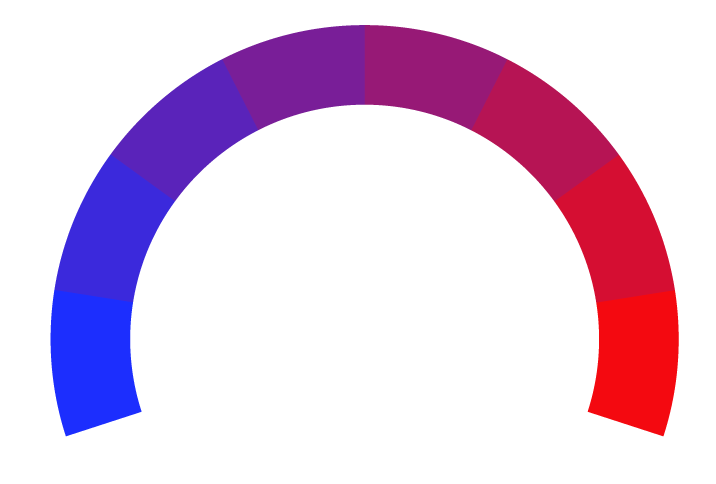
Contributing sentiments towards policy:
55% : With no clear winner emerging, the Arab-led parties could play a decisive role in selecting Israel's next prime minister.55% : As exit polls were shown on a screen at an Abbas election night event in Sakhnin, an Arab city in northern Israel, Ra'am supporters erupted in celebration.
53% : High voter turnout throughout the day and across the country The final update from Israel's Central Elections Committee put voter turnout at 77.7% of eligible voters as polls closed Tuesday night.
52% : It will likely take weeks of haggling or possibly new elections to determine Israel's next prime minister.
52% : Here are some key points to know on Wednesday, the day after the polls closed in Israel.
52% : Eisenkot has signaled he is ready to work with them under certain conditions, including if they recognize Israel as a Jewish state.
48% : The deadliest day in Israel's history featured prominently in the campaigns.
47% : No clear winner has emerged in Israel's national elections as vote-counting continues, and weeks of negotiations may lie ahead as Prime Minister Benjamin Netanyahu and his main rival, Gadi Eisenkot, will scramble to build a governing coalition.
46% : In Israel, voters choose not individuals but parties.
39% : The count from Israel's Central Elections Committee does not indicate how many seats each party will have in parliament, the 120-seat Knesset, but projections show Eisenkot would also struggle to form a majority coalition among the opposition parties.
*Our bias meter rating uses data science including sentiment analysis, machine learning and our proprietary algorithm for determining biases in news articles. Bias scores are on a scale of -100% to 100% with higher negative scores being more liberal and higher positive scores being more conservative, and 0% being neutral. The rating is an independent analysis and is not affiliated nor sponsored by the news source or any other organization.