




Number of forcibly displaced people dips to 118 million: UN
- Bias Rating
12% Somewhat Right
- Reliability
30% ReliableAverage
- Policy Leaning
12% Somewhat Right
- Politician Portrayal
N/A
Continue For Free
Create your free account to see the in-depth bias analytics and more.
By creating an account, you agree to our Terms and Privacy Policy, and subscribe to email updates.
Log In
Log in to your account to see the in-depth bias analytics and more.
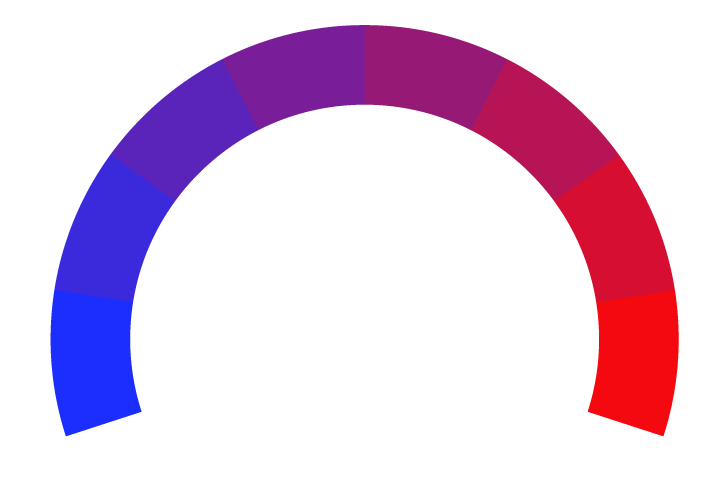
The A.I. bias rating includes policy and politician portrayal leanings based on the author’s tone found in the article using machine learning. Bias scores are on a scale of -100% to 100% with higher negative scores being more liberal and higher positive scores being more conservative, and 0% being neutral.
Sentiments
-20% Negative
- Liberal
- Conservative
| Sentence | Sentiment | Bias |
|---|---|---|
Unlock this feature by upgrading to the Pro plan. | ||
Bias Meter
Extremely
Liberal
Very
Liberal
Moderately
Liberal
Somewhat Liberal
Center
Somewhat Conservative
Moderately
Conservative
Very
Conservative
Extremely
Conservative
-100%
Liberal
100%
Conservative
Contributing sentiments towards policy:
47% : Refugee resettlement needed The UN refugee agency meanwhile voiced concern over a narrowing space for refugee resettlement last year, estimating that the number of refugees needing to resettle in third countries stood at 2.9 million.46% : Unsafe returns UN refugee chief Barham Salih told reporters in Geneva that "more than 90%" of refugee returns last year were concentrated in Afghanistan, Sudan and Syria.
42% : The number of forcibly displaced people dropped for the first time in a decade last year, as more opted to return home despite often unsafe and unstable conditions, the UN said Thursday.
42% : At the end of 2025, 117.8 million people worldwide were forcibly displaced from their homes, marking a decline of 5.4 million compared to a year earlier, the UN refugee agency said.
33% : They included the Mideast war launched by United States and Israel in February, which it said had forced 3.2 million people from their homes in Iran alone.
*Our bias meter rating uses data science including sentiment analysis, machine learning and our proprietary algorithm for determining biases in news articles. Bias scores are on a scale of -100% to 100% with higher negative scores being more liberal and higher positive scores being more conservative, and 0% being neutral. The rating is an independent analysis and is not affiliated nor sponsored by the news source or any other organization.