




Starmer's Exit Throws Britain Into Political Uncertainty as Markets Brace for Labour Leadership Battle
- Bias Rating
18% Somewhat Right
- Reliability
30% ReliableAverage
- Policy Leaning
18% Somewhat Right
- Politician Portrayal
N/A
Continue For Free
Create your free account to see the in-depth bias analytics and more.
By creating an account, you agree to our Terms and Privacy Policy, and subscribe to email updates.
Log In
Log in to your account to see the in-depth bias analytics and more.
The A.I. bias rating includes policy and politician portrayal leanings based on the author’s tone found in the article using machine learning. Bias scores are on a scale of -100% to 100% with higher negative scores being more liberal and higher positive scores being more conservative, and 0% being neutral.
Sentiments
9% Positive
- Liberal
- Conservative
| Sentence | Sentiment | Bias |
|---|---|---|
Unlock this feature by upgrading to the Pro plan. | ||
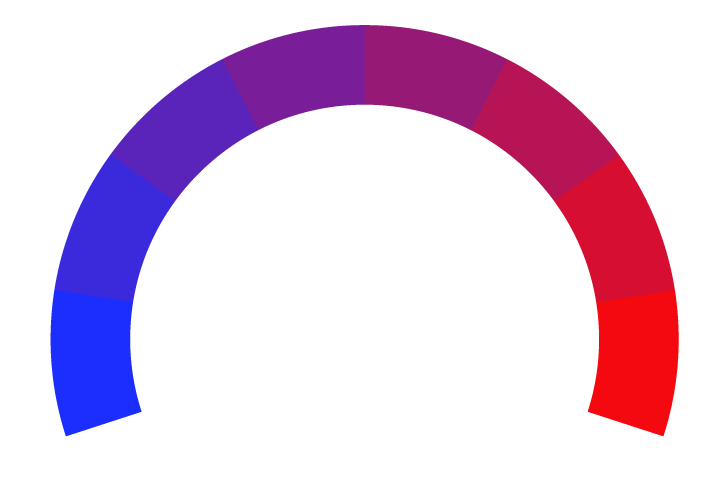
Bias Meter
Extremely
Liberal
Very
Liberal
Moderately
Liberal
Somewhat Liberal
Center
Somewhat Conservative
Moderately
Conservative
Very
Conservative
Extremely
Conservative
-100%
Liberal
100%
Conservative
Contributing sentiments towards policy:
63% : Standing outside 10 Downing Street, a visibly emotional Starmer said entering government had been "the proudest moment of my life," pointing to efforts to restore Britain's international standing, attract investment, and strengthen workers' rights.60% : Under Starmer, the government pursued a strategy centered on fiscal discipline, international engagement, and economic credibility.
49% : Against that backdrop, market participants will closely scrutinize the leadership contest for clues about future tax policy, public spending plans, regulatory priorities, and the government's relationship with financial markets.
46% : Public debt remains elevated, borrowing costs are high, and demands on government spending continue to rise across healthcare, defense, welfare, housing, and infrastructure.
45% : The resignation opens a new chapter in British politics and injects fresh uncertainty into financial markets already grappling with elevated borrowing costs, stubborn inflation, and concerns over the future direction of government spending.
43% : Starmer and Finance Minister Rachel Reeves increasingly faced resistance from within the party over spending decisions and welfare reforms.
35% : The immediate trigger was a wave of dissatisfaction following heavy losses in local elections in May, combined with increasingly vocal criticism from Labour lawmakers over economic policy, welfare reforms, and broader questions about leadership.
*Our bias meter rating uses data science including sentiment analysis, machine learning and our proprietary algorithm for determining biases in news articles. Bias scores are on a scale of -100% to 100% with higher negative scores being more liberal and higher positive scores being more conservative, and 0% being neutral. The rating is an independent analysis and is not affiliated nor sponsored by the news source or any other organization.