



 ThePrint
States agree to UN talks aiming to regulate 'killer robots' by 2028
- Bias Rating
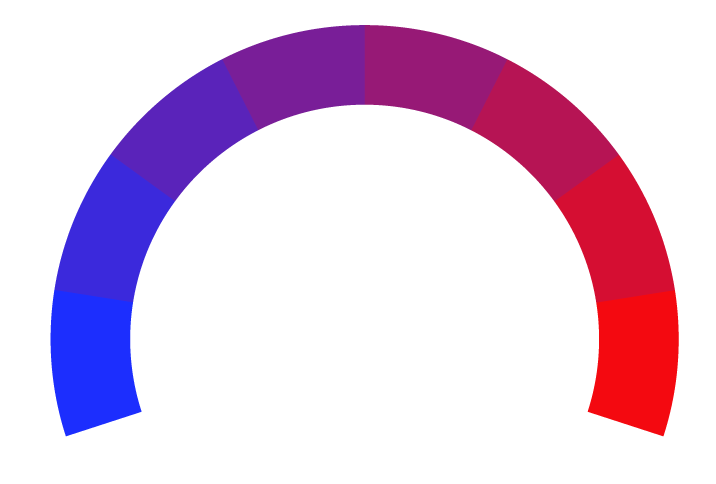
-32% Somewhat Left
- Reliability
25% ReliableLimited
- Policy Leaning
-32% Somewhat Left
- Politician Portrayal
N/A
Continue For Free
Create your free account to see the in-depth bias analytics and more.
By creating an account, you agree to our Terms and Privacy Policy, and subscribe to email updates.
Log In
Log in to your account to see the in-depth bias analytics and more.
The A.I. bias rating includes policy and politician portrayal leanings based on the author’s tone found in the article using machine learning. Bias scores are on a scale of -100% to 100% with higher negative scores being more liberal and higher positive scores being more conservative, and 0% being neutral.
Sentiments
-4% Negative
- Liberal
| Sentence | Sentiment | Bias |
|---|---|---|
Unlock this feature by upgrading to the Pro plan. | ||
Bias Meter
Extremely
Liberal
Very
Liberal
Moderately
Liberal
Somewhat Liberal
Center
Somewhat Conservative
Moderately
Conservative
Very
Conservative
Extremely
Conservative
-100%
Liberal
100%
Conservative
Contributing sentiments towards policy:
55% : Some observers and former military officials say states should be prepared to consider a new process outside the current UN framework, which requires all 128 state parties to agree by consensus. (Reporting by Emma Farge; Additional reporting by Olivia Le Poidevin; Editing by William Mallard and Tom Hogue)52% : The UN secretary-general, the pope and the Red Cross have all called for strong and legally binding rules.
40% : Around 100 countries backed this position but big arms-producing nations like the US, Russia and Israel opposed this, resulting in a watered-down agreement that left open the question of whether future measures would be legally binding.
*Our bias meter rating uses data science including sentiment analysis, machine learning and our proprietary algorithm for determining biases in news articles. Bias scores are on a scale of -100% to 100% with higher negative scores being more liberal and higher positive scores being more conservative, and 0% being neutral. The rating is an independent analysis and is not affiliated nor sponsored by the news source or any other organization.