




 RocketNews Article Rating
The threat of light pollution puts the world's darkest skies in the Atacama Desert at risk - RocketNews
- Bias Rating
10% Center
- Reliability
40% ReliableAverage
- Policy Leaning
10% Center
- Politician Portrayal
N/A
Continue For Free
Create your free account to see the in-depth bias analytics and more.
By creating an account, you agree to our Terms and Privacy Policy, and subscribe to email updates.
Log In
Log in to your account to see the in-depth bias analytics and more.
The A.I. bias rating includes policy and politician portrayal leanings based on the author’s tone found in the article using machine learning. Bias scores are on a scale of -100% to 100% with higher negative scores being more liberal and higher positive scores being more conservative, and 0% being neutral.
Sentiments
-7% Negative
- Conservative
| Sentence | Sentiment | Bias |
|---|---|---|
Unlock this feature by upgrading to the Pro plan. | ||
Bias Meter
Extremely
Liberal
Very
Liberal
Moderately
Liberal
Somewhat Liberal
Center
Somewhat Conservative
Moderately
Conservative
Very
Conservative
Extremely
Conservative
-100%
Liberal
100%
Conservative
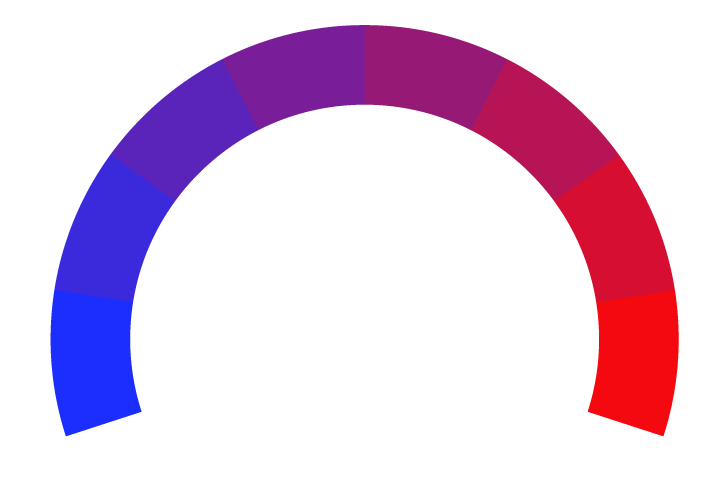
Contributing sentiments towards policy:
49% : Since then, several environmental regulations have come under review, including one from Chile's science ministry targeting protected astronomical zones.AdvertisementAdvertisement"We are working to ensure the new criteria are strict enough to guarantee that there will be no impact on astronomical areas," said Daniela González, director of the Cielos de Chile Foundation, a nonprofit founded in 2019 to protect the quality of Chile's night skies.The best skiesThe Associated Press spent three days visiting the Paranal facilities in the heart of the so-called Photon Valley.41% : "There are more than 300 clear nights per year, meaning no clouds and no rain."But the world's darkest skies may be at risk.Last year, the desert became a battleground between scientists and an energy firm proposing a green power complex just kilometers (miles) from the Paranal Observatory.
*Our bias meter rating uses data science including sentiment analysis, machine learning and our proprietary algorithm for determining biases in news articles. Bias scores are on a scale of -100% to 100% with higher negative scores being more liberal and higher positive scores being more conservative, and 0% being neutral. The rating is an independent analysis and is not affiliated nor sponsored by the news source or any other organization.