




 Dynamic Business Article Rating
Two card rules just flipped on small business in 60 days
- Bias Rating
26% Somewhat Right
- Reliability
45% ReliableAverage
- Policy Leaning
26% Somewhat Right
- Politician Portrayal
N/A
Continue For Free
Create your free account to see the in-depth bias analytics and more.
By creating an account, you agree to our Terms and Privacy Policy, and subscribe to email updates.
Log In
Log in to your account to see the in-depth bias analytics and more.
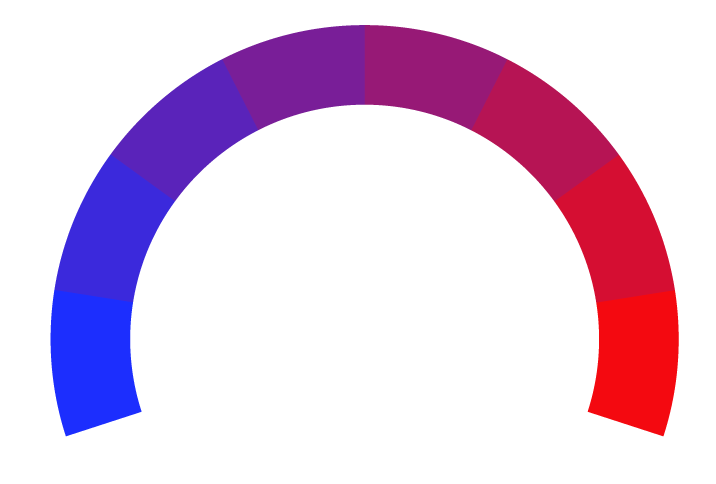
The A.I. bias rating includes policy and politician portrayal leanings based on the author’s tone found in the article using machine learning. Bias scores are on a scale of -100% to 100% with higher negative scores being more liberal and higher positive scores being more conservative, and 0% being neutral.
Sentiments
-4% Negative
- Liberal
- Conservative
| Sentence | Sentiment | Bias |
|---|---|---|
Unlock this feature by upgrading to the Pro plan. | ||
Bias Meter
Extremely
Liberal
Very
Liberal
Moderately
Liberal
Somewhat Liberal
Center
Somewhat Conservative
Moderately
Conservative
Very
Conservative
Extremely
Conservative
-100%
Liberal
100%
Conservative
Contributing sentiments towards policy:
52% : The ATO says only around 2.3 per cent of tax payments were made by credit card in 2024-25, and more than 60 per cent of those came from privately owned and wealthy groups, along with public and multinational businesses, not typical small operators.51% : But for the businesses that do use a credit card to pay tax, often as a deliberate way to buy a few weeks of breathing room before the card statement is due, the change closes off a genuine cash flow lever.
49% : And if you've been using a credit card to pay tax purely to delay the cash outflow, that window closes at the end of November, worth mapping out what replaces it now rather than in early December.
46% : What's banned at tax time The second change is narrower but hits differently.
39% : The ATO has confirmed it will stop accepting credit card payments for tax bills, including BAS, PAYG and income tax, after 30 November 2026.
*Our bias meter rating uses data science including sentiment analysis, machine learning and our proprietary algorithm for determining biases in news articles. Bias scores are on a scale of -100% to 100% with higher negative scores being more liberal and higher positive scores being more conservative, and 0% being neutral. The rating is an independent analysis and is not affiliated nor sponsored by the news source or any other organization.