


Ulrich Siegmund, the smiling 'popular kid' who propelled the far right to victory in eastern Germany
- Bias Rating
10% Center
- Reliability
45% ReliableAverage
- Policy Leaning
10% Center
- Politician Portrayal
N/A
Continue For Free
Create your free account to see the in-depth bias analytics and more.
By creating an account, you agree to our Terms and Privacy Policy, and subscribe to email updates.
Log In
Log in to your account to see the in-depth bias analytics and more.
The A.I. bias rating includes policy and politician portrayal leanings based on the author’s tone found in the article using machine learning. Bias scores are on a scale of -100% to 100% with higher negative scores being more liberal and higher positive scores being more conservative, and 0% being neutral.
Sentiments
11% Positive
- Liberal
- Conservative
| Sentence | Sentiment | Bias |
|---|---|---|
Unlock this feature by upgrading to the Pro plan. | ||
Bias Meter
Extremely
Liberal
Very
Liberal
Moderately
Liberal
Somewhat Liberal
Center
Somewhat Conservative
Moderately
Conservative
Very
Conservative
Extremely
Conservative
-100%
Liberal
100%
Conservative
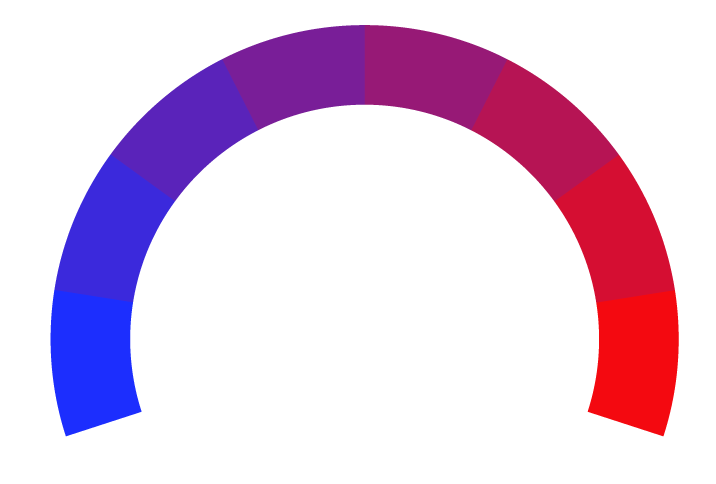
Contributing sentiments towards policy:
51% : The group sought to raise children as "National Socialist freedom fighters" and taught minors what it called "racial science."43% : Moreover, when asked how he personally views National Socialism and the Holocaust, and whether he would describe the years from 1933 to 1945 as "the greatest crime against humanity," Siegmund responded evasively: "I do not dare to judge it.
38% : Among his close associates are individuals who were actively involved in the Heimattreue Deutsche Jugend (HDJ), an organization banned in 2009 for its "affinity with National Socialism."
36% : Founded only a year earlier, the AfD was then primarily known as an anti-euro party that had emerged in response to the 2008 financial crisis and the European Union's bailout policies.
*Our bias meter rating uses data science including sentiment analysis, machine learning and our proprietary algorithm for determining biases in news articles. Bias scores are on a scale of -100% to 100% with higher negative scores being more liberal and higher positive scores being more conservative, and 0% being neutral. The rating is an independent analysis and is not affiliated nor sponsored by the news source or any other organization.