



 AOL UK
United Nation adopts new map of world in rejection of 'cartographic colonialism' - AOL
- Bias Rating
50% Medium Right
- Reliability
50% ReliableAverage
- Policy Leaning
50% Medium Right
- Politician Portrayal
N/A
Continue For Free
Create your free account to see the in-depth bias analytics and more.
By creating an account, you agree to our Terms and Privacy Policy, and subscribe to email updates.
Log In
Log in to your account to see the in-depth bias analytics and more.
The A.I. bias rating includes policy and politician portrayal leanings based on the author’s tone found in the article using machine learning. Bias scores are on a scale of -100% to 100% with higher negative scores being more liberal and higher positive scores being more conservative, and 0% being neutral.
Sentiments
11% Positive
- Liberal
- Conservative
| Sentence | Sentiment | Bias |
|---|---|---|
Unlock this feature by upgrading to the Pro plan. | ||
Bias Meter
Extremely
Liberal
Very
Liberal
Moderately
Liberal
Somewhat Liberal
Center
Somewhat Conservative
Moderately
Conservative
Very
Conservative
Extremely
Conservative
-100%
Liberal
100%
Conservative
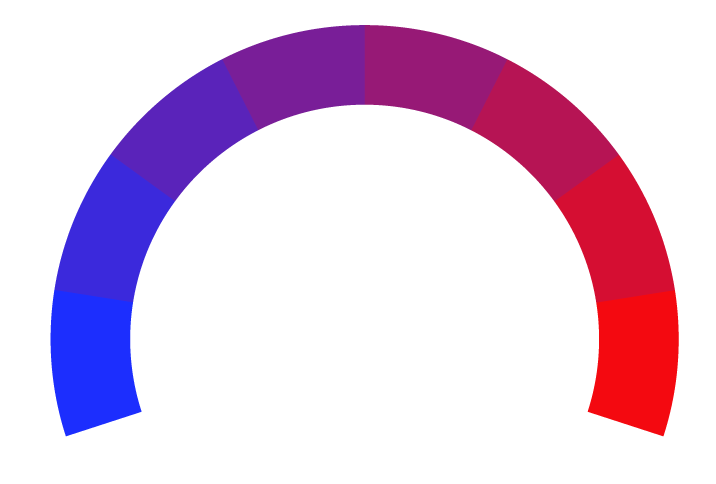
Contributing sentiments towards policy:
52% : " He told a UN briefing on Friday: "A map is never neutral.44% : The United Nations has voted to replace the current world map with a new one following backlash from campaign groups criticising the widely used map as "cartographic colonialism".
40% : Geographers say the map is only useful for navigation and that "outside of that very narrow navigation application, there is no point in using it," according to Mark Monmonier, a Syracuse University professor of geography. US representative at the UN, Yaryna Ferencevych, claimed that the resolution mocked the work and purpose of the UN General Assembly.
36% : The US also criticised the UN's resolution that declared the transatlantic slave trade as "the gravest crime against humanity" earlier this year.
*Our bias meter rating uses data science including sentiment analysis, machine learning and our proprietary algorithm for determining biases in news articles. Bias scores are on a scale of -100% to 100% with higher negative scores being more liberal and higher positive scores being more conservative, and 0% being neutral. The rating is an independent analysis and is not affiliated nor sponsored by the news source or any other organization.