





 Whittier Daily News Article Rating
Wendy Carrillo, SD-26 candidate, 2026 primary election questionnaire
- Bias Rating
-18% Somewhat Left
- Reliability
30% ReliableAverage
- Policy Leaning
-32% Somewhat Left
- Politician Portrayal
-62% Negative
Continue For Free
Create your free account to see the in-depth bias analytics and more.
By creating an account, you agree to our Terms and Privacy Policy, and subscribe to email updates.
Log In
Log in to your account to see the in-depth bias analytics and more.
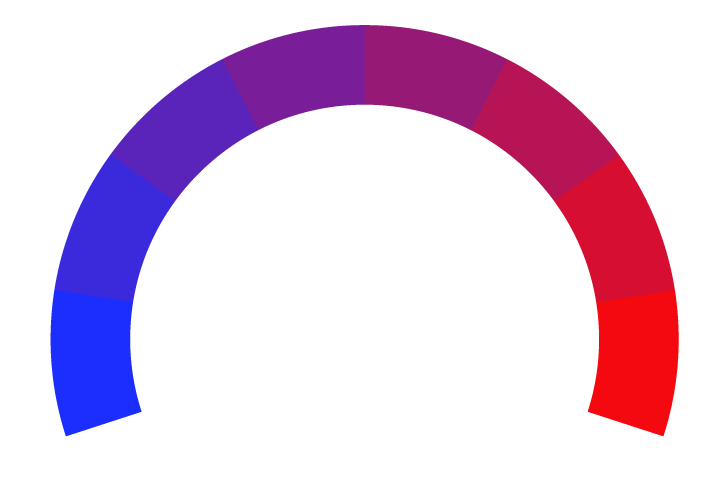
The A.I. bias rating includes policy and politician portrayal leanings based on the author’s tone found in the article using machine learning. Bias scores are on a scale of -100% to 100% with higher negative scores being more liberal and higher positive scores being more conservative, and 0% being neutral.
Sentiments
-6% Negative
- Liberal
- Conservative
| Sentence | Sentiment | Bias |
|---|---|---|
Unlock this feature by upgrading to the Pro plan. | ||
Bias Meter
Extremely
Liberal
Very
Liberal
Moderately
Liberal
Somewhat Liberal
Center
Somewhat Conservative
Moderately
Conservative
Very
Conservative
Extremely
Conservative
-100%
Liberal
100%
Conservative
Contributing sentiments towards policy:
66% : California should continue to lead on climate by investing in clean energy and reducing emissions, while ensuring energy remains reliable and affordable.57% : I also authored AB 2119 (2022), a priority for Equality California and Planned Parenthood, to strengthen protections for patients and providers seeking gender-affirming care and ensure California remains a safe place to access care.
56% : While serving in the Legislature, I supported the Managed Care Organization (MCO) tax -- a fee on health plans that helps fund Medi-Cal and allows California to draw down additional federal matching dollars.
55% : Under Governor Arnold Schwarzenegger, SB 543 (2008) established these protections for adolescents with private insurance.
55% : That's why we need clear priorities: protect workers with human oversight, invest in workforce training, and set rules for responsible innovation -- including accountability, privacy protections, and environmental standards.
54% : As families face medical debt and even bankruptcy due to the cost of care, there is growing public interest in a single-payer model (often referred to as Medicare for All) as a way to reduce costs and guarantee coverage.
54% : Regulation must address not just how AI is used, but its broader economic and environmental impact.
51% : To expedite projects, we should streamline approvals for affordable housing, reduce delays, and invest in infrastructure -- without weakening environmental or labor standards.
49% : For decades, redevelopment funding allowed local governments to reinvest property tax growth back into their communities, with at least 20 percent dedicated to affordable housing.
48% : AI also doesn't pay taxes, shop in our local businesses, support local economies, pay rent, or send kids to our public schools.
47% : The state has a responsibility to ensure that all residents -- regardless of who they are -- can access safe, medically appropriate care without fear or discrimination.
46% : We should also strengthen enforcement to reduce tax evasion.
44% : Across many of our neighborhoods, we are experiencing the reality of ICE operations creating fear and instability.
43% : We should continue building on that approach by increasing accountability, reducing waste, and requiring large healthcare corporations and insurers to reinvest in the system -- through insurer taxes, stronger oversight, and transparency in how healthcare dollars are spent.
42% : In 2021, I authored the Vision Act, which would have ended cooperation between local law enforcement and ICE, except in cases involving serious crimes, and stopped the dual punishment of non-citizens who had already served their time.
41% : Yet public concerns remain that there aren't enough regulations governing when or how AI should be used, and that the technology would replace jobs and leave too many Californians unemployed.
40% : With repeated attempts to weaken the Affordable Care Act, Californians are losing confidence in a system driven by profit instead of care.
*Our bias meter rating uses data science including sentiment analysis, machine learning and our proprietary algorithm for determining biases in news articles. Bias scores are on a scale of -100% to 100% with higher negative scores being more liberal and higher positive scores being more conservative, and 0% being neutral. The rating is an independent analysis and is not affiliated nor sponsored by the news source or any other organization.