




 ABP News
What's VB-G RAM G Bill? Centre's Plan To Replace MGNREGA Explained
- Bias Rating
- Reliability
10% ReliableLimited
- Policy Leaning
8% Center
- Politician Portrayal
N/A
Continue For Free
Create your free account to see the in-depth bias analytics and more.
By creating an account, you agree to our Terms and Privacy Policy, and subscribe to email updates.
Bias Score Analysis
The A.I. bias rating includes policy and politician portrayal leanings based on the author’s tone found in the article using machine learning. Bias scores are on a scale of -100% to 100% with higher negative scores being more liberal and higher positive scores being more conservative, and 0% being neutral.
Sentiments
11% Positive
- Liberal
- Conservative
| Sentence | Sentiment | Bias |
|---|---|---|
Unlock this feature by upgrading to the Pro plan. | ||
Reliability Score Analysis
Policy Leaning Analysis
Politician Portrayal Analysis
Bias Meter
Extremely
Liberal
Very
Liberal
Moderately
Liberal
Somewhat Liberal
Center
Somewhat Conservative
Moderately
Conservative
Very
Conservative
Extremely
Conservative
-100%
Liberal
100%
Conservative
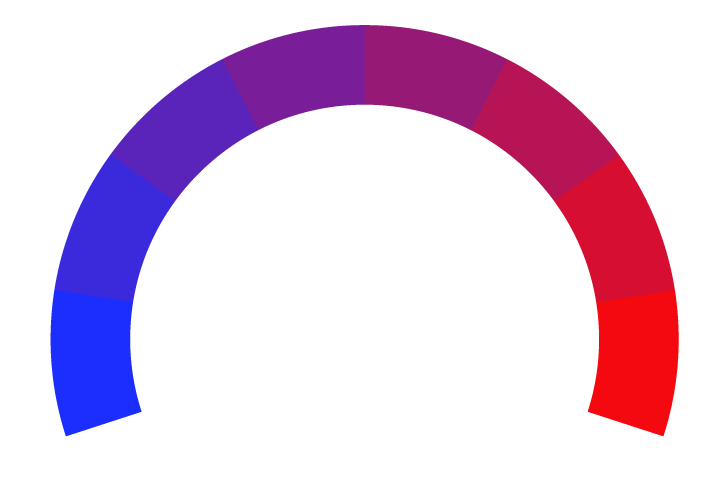
Contributing sentiments towards policy:
51% : Enacted in 2005 under the UPA government, MGNREGA was widely seen as a transformative step in rural welfare policy.51% : A Landmark Welfare Law Enacted in 2005 under the UPA government, MGNREGA was widely seen as a transformative step in rural welfare policy.
50% : As the bill moves forward, it has set the stage for a far-reaching debate on rural employment, Centre-state financial responsibility, and the ideological direction of India's welfare state -- weighing the promise of more workdays against fears of eroding Gandhian principles embedded in MGNREGA.
44% : The announcement has triggered a sharp political confrontation, reopening debates on welfare, federal finances and the future of rights-based social protection in rural India.
*Our bias meter rating uses data science including sentiment analysis, machine learning and our proprietary algorithm for determining biases in news articles. Bias scores are on a scale of -100% to 100% with higher negative scores being more liberal and higher positive scores being more conservative, and 0% being neutral. The rating is an independent analysis and is not affiliated nor sponsored by the news source or any other organization.