





Craig Washington
Former US House of Representatives
Craig Washington is an American Democratic politician who served as a member of the U.S. House of Representatives from Texas' 18th congressional district from 1989 to 1995. Prior to this, Washington served as a member of the Texas Senate for the 13th district from 1983 to 1990. Washington also served as a member of the Texas House of Representatives for the 86th district from 1973 to 1983. Craig Washington was born on 10/12/1941. Based on voting history, policy positions, and public statements, Craig Washington demonstrates a Center political bias. Compare Craig Washington with other politicians in our Politician Bias Chart.

Medium Left
0% Center
Extremely
Liberal
Very
Liberal
Moderately
Liberal
Somewhat Liberal
Center
Somewhat Conservative
Moderately
Conservative
Very
Conservative
Extremely
Conservative
-100%
Liberal
100%
Conservative
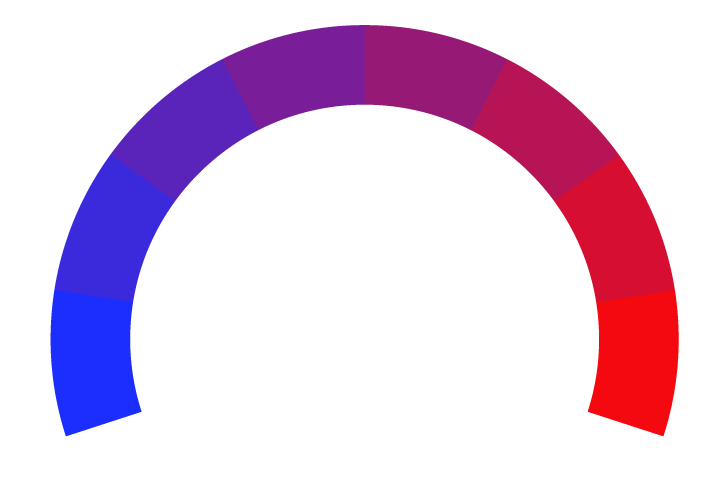
*Our bias meter rating uses data science including sentiment analysis, machine learning and our proprietary algorithm for determining biases in news articles. Bias scores are on a scale of -100% to 100% with higher negative scores being more liberal and higher positive scores being more conservative and 0% being neutral. The rating is an independent analysis and is not affiliated nor sponsored by the news source or any other organization.
78% negative
Craig Washington’s Policy Stances


| |
|---|---|
|
Why Claim Your Politician Profile?
Claim your profile on Biasly and gain control over how
you’re represented. As a verified politician, you can:
Edit Your Profile
Including your biography and other public-facing information.
Clarify Stances
Customize your stances on this page for certain political issues.
Communicate Directly
Allow voters and users to follow your profile which you can send messages to from the Biasly platform.
Publish Blog Posts
Publish articles, opinion pieces, and important updates directly to your profile.
Upload Materials
Upload campaign materials, images, or supporting documents.
Be Transparent
Share accurate contact details for transparency to your desired audience.
See Advanced Analytics
Track how news outlets cover you with interactive bias charts.
Compare Politicians
Compare your politician profile and stances against other politicians with visual bias charts.
Scan Politician Speeches
Scan your politician speeches, articles with our bias checker. See what leanings you have and how to improve the speech.
If you want to go further, you can also sign up for Biasly’s Politician Bias Analytics Platform to track sentiment,
perception, and bias ratings over time. Email sales@biasly.com to get started, or if you have any questions.
- Claim Profile and Verify Your Identity – Our secure process ensures only authorized individuals can claim their profile.
- Start Sharing – Once verified, you'll gain full access to customize your politician profile and manage your content.
Our politician ratings are based on recent news using data science and A.I. technology. We analyze hundreds of articles published by news sources daily to determine politicians and policy leanings.